
Jposting: Understanding Its Meaning, Features, and Role in Modern Recruitment
Finding a job online usually involves visiting a company website, reviewing available positions, and submitting an application. However, the technology behind that process is not always visible. This is where the term Jposting becomes relevant.
Jposting is a name associated with Japan’s recruitment technology industry, particularly the former Japan Job Posting Service. Its business history is connected with recruitment management software and the JobSuite product family.
People may encounter Jposting while researching hiring technology or applying for a position through an employer’s online recruitment portal. Although the name sounds like a general job advertisement service, its documented background is more closely related to managing recruitment activities.
Understanding Jposting helps employers, recruiters, and job seekers recognise how online hiring systems operate and what to expect when using a digital application portal.
What Is Jposting?
Jposting is a name historically associated with Japan Job Posting Service, a Japanese company that specialised in internet-based recruitment solutions.
The business developed technology to help organisations manage hiring activities, including job applications and candidate information. Its products are connected with the JobSuite recruitment software family.
In practical terms, Jposting belongs to the wider human resources technology (HR tech) industry. This industry uses digital systems to simplify activities such as recruitment, employee management, candidate communication, and workforce planning.
It is important to distinguish Jposting from a traditional job board. A job board primarily helps candidates discover vacancies, while recruitment management software helps employers organise applications and manage the hiring process.
Why Is Jposting Different From an Ordinary Job Posting?
A job posting is an advertisement that describes an available position. It usually contains information about responsibilities, qualifications, salary expectations, and application instructions.
Jposting, in its documented business context, refers to recruitment technology rather than simply the advertisement itself.
For example, a company might publish a vacancy on its careers page. When someone clicks the application button, they may be redirected to a recruitment system that collects their information and helps the employer manage the application.
These are two connected but different activities: advertising a vacancy and managing the people who apply.
The History and Background of Jposting
The background of Jposting is connected with the development of online recruitment technology in Japan.
As businesses moved away from paper-based hiring processes, they increasingly needed systems that could handle applications electronically. Recruitment software became useful for collecting candidate details, organising documents, and keeping track of selection activities.
Japan Job Posting Service became part of this developing industry.
In November 2017, Japanese IT company NSD announced its acquisition of Japan Job Posting Service. This provides an identifiable corporate connection behind the JPOSTING name.
The business subsequently went through corporate changes, including a merger and a change to the StellaS name. In March 2026, the company announced another name change to NSD Digital Solutions.
The JobSuite product family is associated with this business history.
How the Business Developed
The important milestones help explain why different company names may appear in online searches and older business documents:
- Japan Job Posting Service: The original business identity associated with JPOSTING.
- 2017: NSD announced its acquisition of Japan Job Posting Service.
- StellaS: The business later operated under this corporate name.
- 2026: The company announced its name change to NSD Digital Solutions.
- JobSuite: The recruitment software family associated with the business.
These milestones should not be confused with the launch dates of individual software products. A company’s acquisition or name change does not necessarily mean its products were launched or redesigned at the same time.
How Does Jposting Recruitment Technology Work?
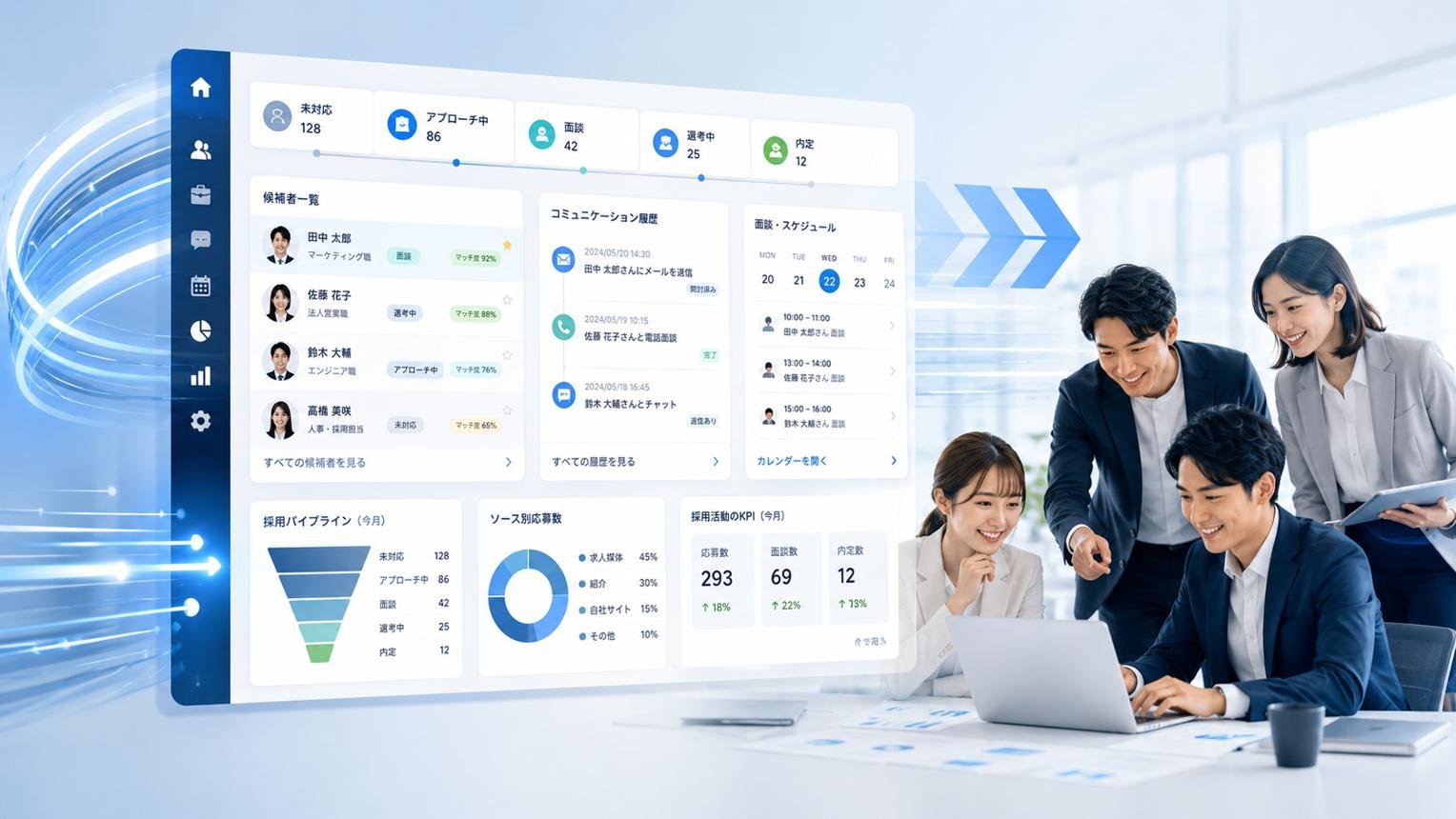
Recruitment management software provides a central place for handling different stages of hiring.
Instead of managing applications through scattered emails and spreadsheets, an employer can use a digital system to organise candidate information and monitor recruitment progress.
The exact features depend on the product and the employer’s configuration, but a typical applicant tracking system follows several stages.
1. Publishing a Job Vacancy
The recruitment process starts when an organisation identifies a position that needs to be filled.
The employer prepares a job description containing:
- Job title and department
- Main responsibilities
- Required qualifications
- Relevant experience
- Employment conditions
- Application instructions
The vacancy may then appear on a company careers website or another recruitment channel.
2. Receiving Online Applications
Interested candidates complete an online application.
Depending on the employer’s process, applicants may need to provide their contact information, employment history, educational background, and CV.
A recruitment management system helps collect these submissions in an organised format.
3. Organising Candidate Information
Once applications arrive, recruiters need a reliable way to review and manage them.
Applicant tracking systems can help hiring teams organise candidate profiles, maintain application records, and identify the current stage of each application.
This makes it easier to manage recruitment when several people apply for the same position.
4. Managing Interviews and Selection
After reviewing applications, employers decide which candidates should move forward.
The recruitment team may arrange interviews, record feedback, and update application statuses.
The software supports this process, but hiring managers remain responsible for evaluating candidates and making employment decisions.
5. Communicating With Applicants
Communication is an important part of recruitment.
Candidates may receive updates about application confirmation, interview arrangements, additional requirements, or selection outcomes.
A well-managed recruitment process helps employers keep communication organised and reduces unnecessary confusion.
Key Features of Recruitment Management Systems
The Jposting business history is associated with recruitment software, while individual product capabilities should always be checked against current official documentation.
The following features are common across applicant tracking systems and explain why organisations use this type of technology.
Centralised Application Management
A centralised system allows recruiters to access candidate records from one location.
Rather than searching through multiple email accounts and spreadsheets, hiring teams can work with organised application information.
Candidate Tracking
Applicant tracking helps employers understand where each candidate stands in the hiring process.
For example, an application may be marked as received, under review, shortlisted, awaiting an interview, or completed.
Recruitment Workflow Management
Hiring often involves several departments and decision-makers.
Recruitment software can help coordinate these activities by keeping application information and process updates organised.
Digital Candidate Records
Electronic records make it easier to retrieve candidate information when required.
Organised records can also help employers maintain consistency across recruitment activities, subject to appropriate privacy and data-retention policies.
Recruitment Reporting
Some applicant tracking systems provide reports that help businesses evaluate their recruitment activities.
Useful measurements may include:
- Number of applications received
- Applications by recruitment source
- Interview-to-application ratios
- Time taken to fill vacancies
- Candidate progression through selection stages
The availability of specific reporting tools depends on the software being used.
Jposting vs Job Boards vs Applicant Tracking Systems
These terms are related, but they do not describe exactly the same thing.
| Category | Main purpose | Typical users |
|---|---|---|
| Jposting | Historical Japanese recruitment technology business identity | Employers and recruitment teams |
| Job board | Advertises available vacancies | Job seekers and employers |
| Applicant tracking system | Organises applications and recruitment workflows | HR teams and hiring managers |
| Careers website | Presents an employer’s job opportunities | Applicants and employers |
For example, someone might discover a vacancy through a job board, visit the company’s careers website, and then complete an application through an applicant tracking system.
Each part serves a different purpose within the same hiring journey.
Benefits of Recruitment Technology for Employers
Digital recruitment systems can provide several practical advantages when implemented correctly.
Better Organisation
Recruiters can manage candidate records in a central location instead of relying on disconnected documents.
Reduced Administrative Work
Automating repetitive tasks can reduce the time spent on basic application management.
Improved Recruitment Visibility
Hiring teams can monitor application progress and identify delays in the selection process.
More Consistent Hiring Processes
Standardised application stages can help organisations follow similar procedures for different vacancies.
Easier Collaboration
Recruiters and hiring managers can coordinate their work using shared candidate information and recruitment records.
However, software alone does not guarantee better hiring. The quality of job descriptions, recruitment decisions, communication, and candidate evaluation remains important.
How Job Seekers May Encounter Jposting
Job seekers may come across the Jposting name when visiting a company’s recruitment portal or following an application link.
This does not necessarily mean they have entered a public job-search website.
In many recruitment processes, an employer uses an external system to receive applications and organise candidate information.
What Should You Do When You See a Jposting Link?
Before submitting personal information, take a few sensible precautions:
- Visit the employer’s official website.
- Find the relevant vacancy on its careers page.
- Check whether the application link matches the employer’s instructions.
- Read the privacy notice before submitting personal information.
- Review the requested documents and information.
- Keep a record of your application confirmation.
If an unexpected message requests money to secure an interview or guarantee employment, treat it as a warning sign.
The Jposting name itself does not establish that every website using similar wording is genuine.
Is Jposting a Legitimate Recruitment Platform?
JPOSTING has a traceable history connected with Japan’s recruitment technology industry and the former Japan Job Posting Service business.
Its connection with the JobSuite software family provides additional context for understanding the name.
However, it is important to separate the legitimacy of a historical business from the authenticity of an individual website or recruitment message.
Scammers can imitate genuine company names, use misleading domains, or send fake employment offers.
Before using an unfamiliar recruitment portal, verify the employer, check the website address, and confirm that the application process is mentioned on an official company website.
Job seekers should also avoid paying unexpected recruitment fees or sharing sensitive financial information.
Who Can Benefit From Recruitment Management Software?
Recruitment technology serves different needs depending on the organisation and the person using it.
Employers
Companies can use recruitment management systems to organise vacancies, receive applications, and coordinate hiring activities.
Human Resources Departments
HR professionals can use applicant records and workflow information to manage multiple recruitment campaigns.
Recruitment Agencies
Agencies may benefit from structured candidate information and better coordination between recruiters and employers. Whether a particular system supports agency workflows must be verified with its provider.
Job Applicants
Candidates benefit indirectly when employers provide clear application instructions, organised communication, and a straightforward digital application experience.
What to Check Before Choosing Recruitment Software
Businesses considering recruitment technology should evaluate more than the software’s name or marketing description.
A proper assessment should include the following areas.
1. Features: Confirm that the platform supports the recruitment activities your organisation actually needs.
2. Ease of use: Test the experience for both recruiters and applicants.
3. Data protection: Review how candidate information is collected, stored, accessed, and retained.
4. Integration: Check compatibility with existing HR systems, calendars, email services, and recruitment channels.
5. Reporting: Determine whether the available reports provide useful recruitment measurements.
6. Pricing: Request current pricing, implementation costs, and details of any additional service charges.
7. Support: Ask about technical assistance, training, maintenance, and service availability.
For Jposting-related or JobSuite products, current features, pricing, language support, and eligibility should be confirmed directly with the provider. Historical information should not be treated as a current product specification.
The Future of Online Recruitment
Recruitment technology continues to develop as employers look for better ways to attract, evaluate, and communicate with potential employees.
Artificial intelligence, workflow automation, cloud-based software, and data analytics are influencing the wider HR technology industry.
These developments may help organisations process applications more efficiently, identify recruitment bottlenecks, and improve candidate communication.
Nevertheless, technology should support human decision-making rather than replace responsible recruitment practices.
Employers still need to evaluate qualifications fairly, protect candidate information, and communicate clearly throughout the hiring process.
The history of Jposting offers an example of how specialised recruitment businesses have developed alongside the wider shift towards digital hiring.
Frequently Asked Questions About Jposting
1. What is Jposting?
Jposting is a name historically associated with Japan Job Posting Service, a Japanese recruitment technology business connected with the JobSuite family of hiring software.
2. Is Jposting a job-search website?
Not in the usual sense. Its documented business background is associated with recruitment management technology rather than a universal job board listing vacancies from every employer.
3. What is the connection between Jposting and JobSuite?
JPOSTING is associated with the historical Japan Job Posting Service business, while JobSuite is a family of recruitment-related software products connected with that business.
4. Is Jposting used in Japan?
Its documented corporate history is connected with Japan’s recruitment technology industry. The availability of individual products and services should be checked with the current provider.
5. Can job seekers apply through a Jposting-related portal?
An applicant may encounter a Jposting-related recruitment page when an employer uses associated recruitment technology. Application access and requirements depend on the specific employer and vacancy.
6. Is Jposting safe to use?
The historical business name alone cannot verify an individual application link. Always check the employer’s official website, domain, privacy notice, and recruitment instructions before sharing personal information.
7. Does Jposting guarantee employment?
No. Recruitment software helps organise applications and hiring activities. Employers make the final decisions about interviews, selection, and job offers.
8. What is an applicant tracking system?
An applicant tracking system (ATS) is software that helps employers collect, organise, and manage job applications throughout the recruitment process.
9. What happened to the Japan Job Posting Service business?
The business was acquired by NSD in 2017 and later underwent corporate changes, including the StellaS name and the 2026 change to NSD Digital Solutions.
10. What should employers check before using recruitment software?
Employers should evaluate features, pricing, security, integrations, reporting, ease of use, and customer support before choosing a recruitment management solution.
Conclusion
Jposting has an identifiable place in the history of Japanese recruitment technology. Its connection with Japan Job Posting Service and the JobSuite software family helps explain why the name appears in discussions about online hiring and applicant management.
For employers, understanding this background provides useful context when researching recruitment systems. For job seekers, it highlights the importance of checking application links and understanding how digital hiring portals work.
The most important point is that Jposting should not automatically be confused with a general job board or an ordinary job advertisement. Understanding its recruitment technology background makes it easier to recognise its role in the wider HR industry.
Whether you are researching recruitment software or completing an online job application, always rely on current provider information and verified employer websites.





2 Comments