What Are Gajgry? Meaning, Types, Uses, and Benefits Explained
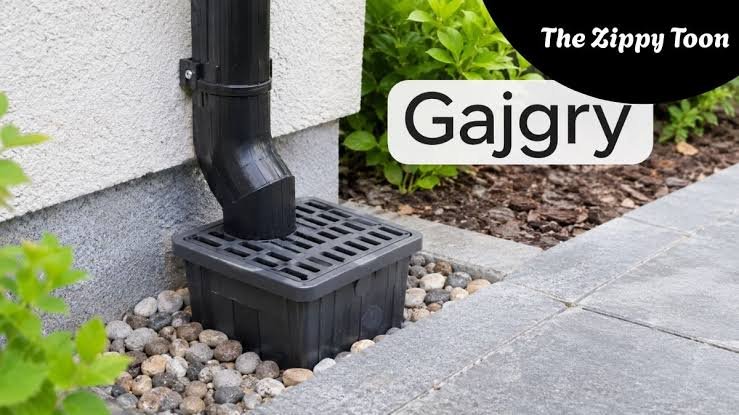
When researching building drainage systems, you may come across the unfamiliar term Gajgry. Although it is not widely used in English construction vocabulary, the term is associated with rainwater drainage equipment, particularly components that collect water from roof downpipes and prevent debris from entering underground drainage pipes.
Understanding how these fittings work can help homeowners, builders, and property maintenance professionals make better decisions about roof drainage.
Gajgry are particularly relevant in discussions about rainwater collection, gutter maintenance, drainage protection, and preventing blockages. This guide explains their meaning, how they work, common types, installation considerations, and maintenance requirements.
What Does Gajgry Mean?
Gajgry is a term associated with Czech building and drainage terminology. Its singular form is generally written as gajgr.
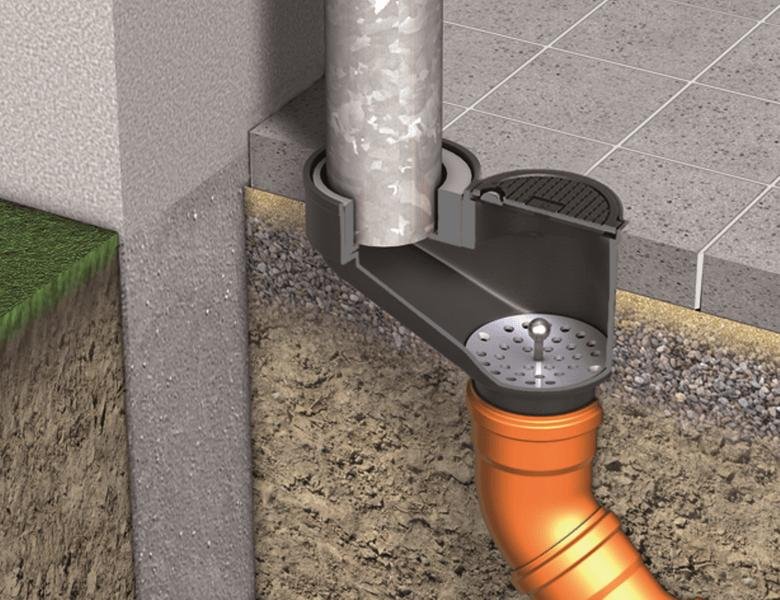
The term describes drainage components positioned where a roof’s rainwater downpipe connects with an underground drainage system.
In English, similar products are commonly described as:
-
Roof debris traps
-
Rainwater downpipe traps
-
Downpipe filters
-
Rainwater catch basins
-
Drainage gullies
Their primary purpose is to collect rainwater while catching leaves, dirt, moss, and other material that could obstruct underground pipes.
It is important to distinguish the practical meaning from its linguistic history. Although some sources associate the word with the name Geiger, its precise etymology is not conclusively documented.
How Do Gajgry Work?
A roof drainage system moves rainwater through several connected components. Water travels from the roof into gutters, passes through downpipes, and eventually reaches a drainage outlet or underground pipe.
A drainage trap installed at the connection point helps manage this process.
1. Collecting Rainwater
Rainwater flows from the roof into the gutter system. The gutters direct it towards vertical downpipes, which carry water towards ground-level drainage equipment.
2. Catching Leaves and Debris
A typical debris trap contains an internal basket, screen, or filtering section.
This component catches larger particles, including:
-
Leaves and small branches
-
Roof moss
-
Sand and grit
-
Dirt and accumulated organic material
The collected debris can then be removed during routine maintenance.
3. Directing Water Into Underground Pipes
After passing through the collection area, rainwater continues towards the underground drainage network.
A properly selected fitting helps maintain water flow and reduces the likelihood of solid debris entering the connected pipework.
4. Helping Control Drainage Odours
Some drainage models include water seals or mechanical odour-control flaps.
These features can help prevent unpleasant smells from travelling back through the drainage connection. However, not every debris trap includes an odour-control mechanism.
Why Are Gajgry Important in Building Drainage?
An effective rainwater drainage system does more than move water away from a roof. It also protects the surrounding building and drainage infrastructure.
Gajgry-style fittings provide several practical benefits.
Protection Against Drain Blockages
Leaves, dirt, and roof debris can accumulate inside underground drainage pipes. Removing larger particles before they enter the drainage network can reduce maintenance problems.
Better Rainwater Management
A properly sized drainage trap helps direct water towards its intended outlet without unnecessary obstruction.
Easier Cleaning and Maintenance
Many modern designs include removable covers or debris baskets. This allows maintenance workers to remove collected material without dismantling the entire drainage connection.
Support for Property Protection
Blocked roof drainage can cause water to overflow around buildings. Depending on the property layout, this may contribute to damp walls, standing water, and damage to surrounding surfaces.
Regularly maintained drainage equipment helps reduce these risks.
Common Types of Gajgry
Different drainage installations require different designs. The correct choice depends on the roof layout, downpipe dimensions, drainage connection, and local building requirements.
1. Plastic Drainage Traps
Plastic models are commonly used in residential drainage systems.
Their advantages include:
-
Lightweight construction
-
Resistance to corrosion
-
Relatively simple installation
-
Removable cleaning sections
-
Availability in different pipe sizes
They are useful for many ordinary residential properties.
2. Cast-Iron Drainage Traps
Cast-iron designs are associated with heavier-duty drainage installations.
Potential advantages include:
-
Strong construction
-
Resistance to physical impact
-
Suitability for certain outdoor installations
-
Long service life when properly maintained
However, they are heavier and may require more installation work.
3. Traps With Removable Filters
These models contain a removable basket or filter that catches solid material before it reaches the underground pipe.
They are particularly useful in locations where trees, moss, or other debris regularly enter roof gutters.
4. Drainage Traps With Odour Protection
Some designs include a water seal or mechanical flap.
These features help limit unpleasant smells from connected drainage systems. Buyers should check the manufacturer’s specifications because debris collection and odour prevention are separate functions.
Gajgry vs. Traditional Drainage Systems
Understanding the difference between a drainage trap and other drainage components helps avoid confusion during construction.
| Component | Main purpose |
|---|---|
| Gajgr / debris trap | Collects roof water and catches debris |
| Roof gutter | Collects water running off the roof |
| Downpipe | Carries water vertically |
| Drainage pipe | Transports water underground |
| Drainage grate | Covers and protects an opening |
| Inspection chamber | Provides access to underground pipework |
These components work together rather than replacing one another.
Where Are Gajgry Used?
Gajgry-style drainage fittings are relevant to several types of properties.
Residential Buildings
Homes with pitched roofs commonly use gutters and downpipes to manage rainwater.
A debris trap can help prevent leaves and dirt from entering underground drainage connections.
Commercial Properties
Offices, retail buildings, and warehouses may have larger roof drainage systems.
Selecting suitable drainage equipment helps maintenance teams manage water flow and inspect vulnerable connections.
Industrial Buildings
Industrial properties can have extensive roof surfaces that collect significant amounts of rainwater.
Drainage components must be selected according to expected water flow, pipe dimensions, and site conditions.
Outdoor and Landscape Drainage
Some drainage installations connect roof-water systems with underground rainwater collection or surface drainage arrangements.
The selected equipment must be compatible with the intended drainage destination.
How to Choose the Right Gajgry for Your Property
Choosing a drainage fitting based only on its appearance can lead to installation problems.
Consider these important factors before purchasing.
1. Check the Downpipe Diameter
The fitting must match the dimensions of the existing downpipe.
Common drainage systems use different pipe diameters, so check the manufacturer’s measurements before ordering.
2. Consider Rainwater Capacity
The drainage component must handle the expected water flow.
Roof area, rainfall intensity, roof design, and pipe capacity all influence the selection.
An undersized fitting can restrict drainage during heavy rainfall.
3. Choose Suitable Materials
Plastic and cast iron are two common material options.
Consider the installation environment, expected mechanical loads, exposure to weather, and maintenance requirements.
4. Look for Easy Maintenance
A removable basket or accessible cleaning cover can make routine maintenance easier.
Avoid designs that make it unnecessarily difficult to inspect the internal drainage section.
5. Check Odour-Control Features
If the fitting connects to a drainage network where unpleasant smells may be an issue, check whether the model includes an appropriate water seal or mechanical closure.
How to Install Gajgry
Installation requirements vary by product and local drainage regulations. The following steps provide a general overview rather than a substitute for the manufacturer’s installation instructions.
Step 1: Inspect the Existing Drainage System
Identify the downpipe, underground drainage connection, and available installation space.
Check whether the existing pipework is damaged or blocked.
Step 2: Select the Correct Fitting
Choose a compatible drainage component based on pipe dimensions, water capacity, and installation requirements.
Step 3: Prepare the Connection
Prepare the pipe connection according to the manufacturer’s instructions.
Ensure that the surrounding area provides adequate support.
Step 4: Position the Drainage Trap
Place the fitting in the intended position and connect it to the downpipe and drainage outlet.
Maintain the required alignment and water-flow direction.
Step 5: Test Water Flow
Run water through the system and inspect the connections.
Look for leaks, overflow, poor drainage, or signs of obstruction.
Step 6: Secure and Inspect
Complete the installation according to the product specifications and applicable building requirements.
For underground connections, excavation, or connections involving public sewers, using a qualified drainage professional is advisable.
Gajgry Maintenance: How to Prevent Blockages
Even a well-designed drainage system requires regular inspection.
Debris traps collect unwanted material by design. If that material is not removed, the fitting itself can eventually become obstructed.
Recommended Maintenance Practices
-
Inspect the fitting periodically.
-
Remove accumulated leaves and dirt.
-
Clean removable baskets and filters.
-
Check for cracks or damaged connections.
-
Look for standing water or slow drainage.
-
Inspect the system after severe storms.
-
Confirm that odour-control components work correctly.
What to Do When a Drainage Trap Becomes Blocked
If water stops flowing normally, begin with a visual inspection.
Remove accessible debris using appropriate protective equipment. Clean removable components according to the manufacturer’s instructions.
If the blockage continues, the problem may be further inside the underground pipe. A professional inspection may be necessary.
Do not use aggressive chemicals or high-pressure equipment unless the drainage manufacturer confirms they are suitable.
Common Problems and Their Solutions
| Problem | Possible cause | Recommended action |
|---|---|---|
| Slow drainage | Debris accumulation | Clean the filter |
| Water overflow | Blocked or undersized fitting | Inspect capacity and blockage |
| Unpleasant smell | Faulty or missing odour seal | Inspect the seal |
| Water leakage | Damaged connection | Repair or replace the fitting |
| Repeated blockages | Poor sizing or excessive debris | Review the drainage design |
| Standing water | Incorrect installation or blocked outlet | Inspect pipe alignment and outlet |
What Is the Difference Between Gajgry and Geiger?
The terms Gajgry and Geiger appear together in some discussions of Czech drainage terminology.
Some sources suggest that gajgr is a colloquial or phonetic variation associated with Geiger, a name used for certain roof-water debris traps.
However, the precise historical relationship between these terms is not firmly established.
For practical purchasing purposes, English-speaking customers should search for terms such as:
-
Rainwater downpipe trap
-
Roof debris collector
-
Downpipe gully
-
Rainwater filter
-
Roof-water catch basin
These descriptions make it easier to identify the actual product rather than relying on an unfamiliar regional term.
techycomb.com+2
Environmental Benefits of Proper Rainwater Drainage
Well-maintained roof drainage can also contribute to better environmental management.
Reducing Unnecessary Water Waste
When connected to an appropriate rainwater harvesting system, roof drainage can direct collected water towards storage for suitable non-potable uses.
Keeping Debris Out of Drainage Networks
Filtering larger particles helps reduce the amount of roof debris entering underground water systems.
Supporting Rainwater Management
Properly designed drainage systems can help control runoff around buildings and reduce localised water accumulation.
The environmental benefits depend on the complete drainage design, the destination of collected water, and appropriate maintenance.
Frequently Asked Questions About Gajgry
1. What are Gajgry?
Gajgry is a term associated with Czech construction terminology for roof-water drainage traps. These fittings collect rainwater from downpipes and catch debris before it enters underground drainage pipes.
2. What is the singular form of Gajgry?
The singular form is generally written as Gajgr. Gajgry refers to multiple units or the plural form.
3. Are Gajgry used in modern construction?
Yes. Similar rainwater debris traps are used in modern drainage installations, although English-speaking construction professionals generally use terms such as downpipe traps or roof debris filters.
4. What materials are used to manufacture Gajgry?
Similar drainage fittings are available in materials such as plastic and cast iron. The appropriate choice depends on installation conditions and manufacturer specifications.
5. Do Gajgry prevent drainage blockages?
They can reduce the amount of leaves, dirt, and other solid debris entering underground pipes. However, they cannot prevent every blockage and require regular cleaning.
6. Can Gajgry prevent unpleasant drainage smells?
Some models include water seals or mechanical odour-control features. A basic debris basket does not necessarily provide this protection.
7. How often should a drainage trap be cleaned?
Cleaning frequency depends on the surrounding environment and the amount of debris collected. Properties near trees may require more frequent inspections than buildings in open areas.
8. Are Gajgry suitable for commercial buildings?
Similar drainage fittings can be used in commercial buildings when their dimensions and water-handling capacity are appropriate for the installation.
9. Are Gajgry and Geiger the same thing?
Some Czech construction discussions associate these terms with similar roof-water debris traps. Their exact linguistic relationship remains uncertain.
10. Where can I buy Gajgry?
Search for rainwater downpipe traps, roof debris collectors, or drainage gullies through reputable plumbing and construction suppliers. Check dimensions and technical specifications before purchasing.
Conclusion: Why Understanding Gajgry Matters
Gajgry is an unusual construction-related term associated with roof-water debris traps and rainwater drainage systems. Although it is not standard English building vocabulary, understanding the component’s purpose helps homeowners, contractors, and property managers make informed drainage decisions.
From catching leaves and dirt to supporting effective rainwater management, a correctly selected and maintained drainage trap can help protect underground pipework.
If you are planning a new drainage installation or upgrading an existing system, choose compatible equipment, follow manufacturer instructions, and arrange regular inspections. Good drainage starts with the right components and consistent maintenance.