Halcare: Uses, Ingredients, Benefits, and Skin Care Guide
What Is Halcare? Uses, Ingredients, Benefits, and Safety
Healthy skin needs regular care, particularly when it becomes dry, rough, or uncomfortable. Choosing a suitable moisturizer can help maintain skin hydration and improve its appearance. One product people may encounter while researching skincare is Halcare Cream.
Halcare is a topical skincare formulation listed by Halberd Pharmaceuticals. Its ingredient combination includes moisturizing, skin-conditioning, and protective substances designed to support dry skin.
But what exactly does Halcare do? Which ingredients does it contain, and is it suitable for everyday skincare?
This guide explores the product, its formulation, potential benefits, application considerations, and safety precautions. It also explains what consumers should know before purchasing or adding it to their skincare routine.
What Is Halcare?
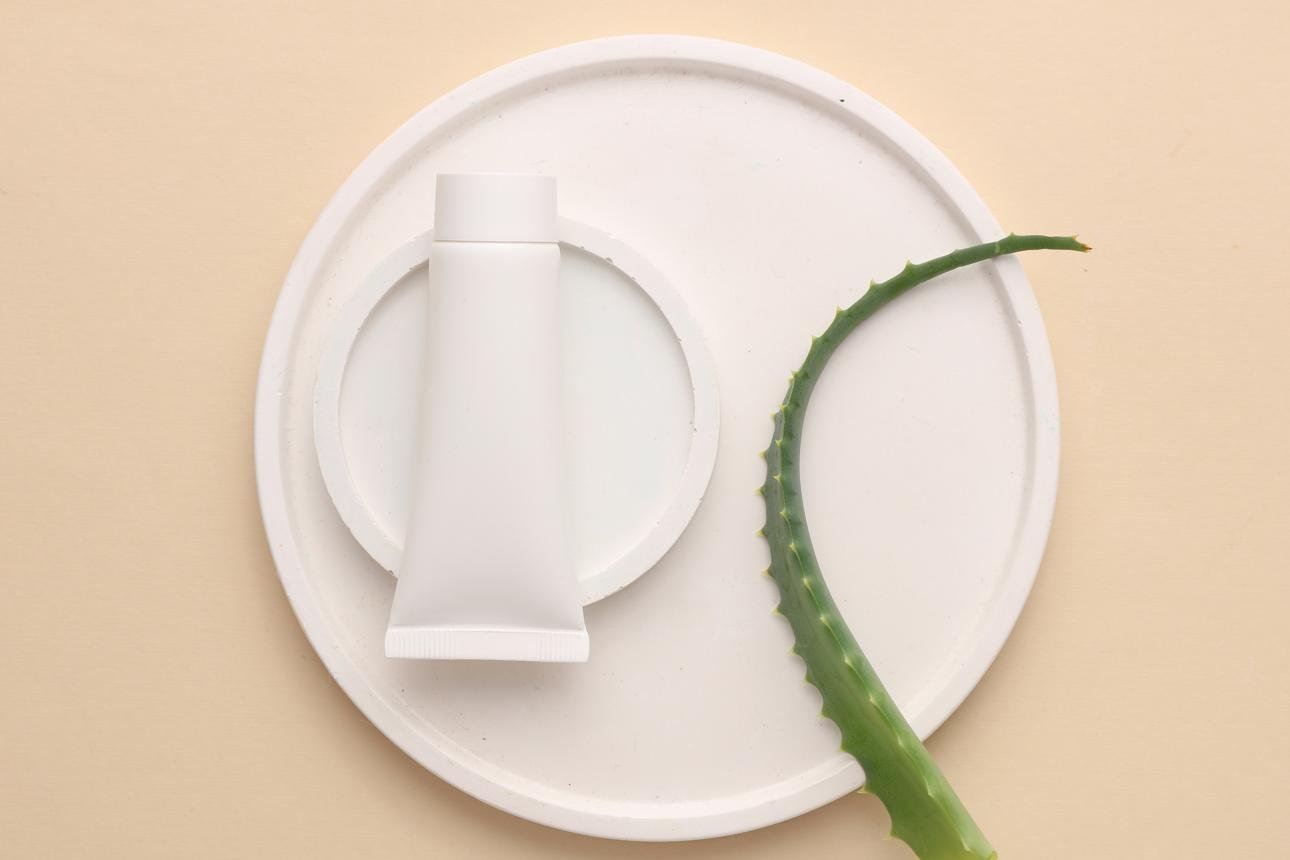
Halcare is a topical moisturizing cream marketed by Halberd Pharmaceuticals, an Indian pharmaceutical company. It contains a combination of ingredients commonly used in skincare products to attract moisture, soften rough skin, and reduce water loss from the skin’s surface.
The formulation includes ingredients such as:
-
Urea
-
Glycerin
-
Aloe vera
-
Cocoa butter
-
L-arginine
-
Vitamin E
-
Zinc oxide
-
Dimethicone
-
Light liquid paraffin
-
White petroleum jelly
These ingredients serve different purposes within a moisturizing formulation.
Some help attract water, while others soften the skin or create a protective layer that reduces moisture loss.
Halcare is therefore best understood as a skincare moisturizer rather than a medicine that treats every type of skin condition.
What Are the Main Ingredients in Halcare?
Understanding the ingredients is one of the most useful ways to evaluate any skincare product. Different substances contribute different properties to a cream.
According to the manufacturer’s published product information, Halcare contains several moisturizing and skin-conditioning ingredients.
1. Urea
Urea is a commonly used skincare ingredient, particularly in products formulated for dry and rough skin.
It acts as a humectant, helping the outer layer of skin retain moisture. Depending on its concentration, urea can also help soften thickened skin.
Its potential skincare benefits include:
-
Improving skin hydration.
-
Softening rough areas.
-
Supporting smoother skin texture.
-
Helping manage dryness.
The concentration matters because higher-strength urea formulations can have different effects and may cause irritation.
2. Glycerin
Glycerin is a well-known humectant used in moisturizers, lotions, and personal care products.
It attracts water and helps maintain hydration in the outer skin layer.
Glycerin can be particularly useful for people experiencing dryness caused by environmental conditions, frequent washing, or unsuitable skincare products.
3. Aloe Vera
Aloe vera is a plant-derived ingredient widely used in skincare formulations.
It is included in cosmetic products for its moisturizing and skin-conditioning properties.
Some people find aloe-containing products useful as part of a basic skincare routine. However, individual reactions can vary, and aloe vera can occasionally cause irritation or allergic reactions.
4. Cocoa Butter
Cocoa butter is a plant-derived fat used in moisturizers and body-care products.
Its emollient properties help soften the skin and improve its feel.
It is particularly relevant to formulations intended for rough or dry areas.
5. Dimethicone
Dimethicone is a silicone-based ingredient frequently used in skincare products.
It forms a protective film on the skin’s surface, helping reduce moisture loss and improving the smoothness of the skin.
It also contributes to the texture and spreadability of a cream.
6. Light Liquid Paraffin and Petroleum Jelly
These ingredients are commonly used as occlusive moisturizers.
They help create a barrier that reduces water evaporation from the skin.
Their inclusion can be useful in formulations designed for areas that become particularly dry, including hands, feet, and heels.
7. Vitamin E
Vitamin E is used in many cosmetic formulations as a skin-conditioning ingredient and antioxidant.
It helps protect cosmetic formulations and contributes to the overall skincare profile.
However, its presence does not guarantee that a product will reverse skin ageing or treat a particular dermatological condition.
8. Zinc Oxide and L-Arginine
Zinc oxide is used in different topical products for its protective and skin-conditioning properties.
L-arginine is an amino acid that also appears in cosmetic formulations.
Their exact contribution depends on their concentrations and the overall formulation.
What Are the Potential Benefits of Halcare Cream?
The ingredients in Halcare have properties commonly associated with moisturizing skincare products.
Its potential benefits should be understood in that context rather than as proven treatments for specific diseases.
Helps Moisturize Dry Skin
Ingredients such as glycerin and urea attract and retain moisture.
This may help improve the appearance and feel of dry skin when the cream is suitable for the individual.
Helps Soften Rough Areas
Cocoa butter, paraffin, and petroleum jelly help condition the skin.
These ingredients can be useful when dealing with rough patches, particularly around the heels and feet.
Helps Reduce Moisture Loss
Dimethicone and petroleum jelly provide an occlusive effect.
They help reduce water evaporation, allowing the skin to maintain hydration for longer.
Supports a Regular Skin Care Routine
Consistent moisturizing can help maintain the skin barrier.
Using an appropriate moisturizer after bathing or washing may help prevent excessive dryness.
May Help Improve Skin Texture
When dryness is responsible for roughness, regular moisturization can make skin feel softer and appear smoother.
Results depend on the underlying cause of the dryness and the suitability of the product.
Is Halcare Suitable for Dry Feet and Rough Heels?
Dry feet and cracked-looking heels are common skincare concerns.
The skin around the heels can become rough because of pressure, friction, environmental exposure, and inadequate moisture.
Halcare contains several ingredients commonly found in foot moisturizers, including urea, glycerin, paraffin, and petroleum jelly.
These ingredients may help soften and moisturize dry skin.
However, there is an important distinction between ordinary dryness and a medical foot problem.
For example, deep heel cracks, bleeding, swelling, infection, or persistent pain require appropriate medical assessment.
People with diabetes should be particularly careful about foot problems. They should seek professional advice rather than relying on a cosmetic moisturizer to manage wounds or ulcers.
How to Use Halcare Cream
The correct application method should always follow the product’s packaging instructions.
For a topical moisturizer, general skincare practices include the following:
Step 1: Clean the Skin
Wash the intended area gently with water and an appropriate cleanser.
Avoid harsh scrubbing, especially if the skin is already dry or irritated.
Step 2: Dry the Area
Pat the skin with a clean towel.
Avoid rubbing sensitive or rough areas aggressively.
Step 3: Apply a Suitable Amount
Apply a thin layer according to the product label.
Spread it gently over the intended area.
Step 4: Allow the Cream to Absorb
Give the product time to settle before putting on clothing or footwear.
Step 5: Follow the Label Instructions
Use the product according to its packaging and professional advice.
Do not increase the amount or frequency simply because the skin feels dry.
Is Halcare Safe for Everyday Use?
Whether Halcare is suitable for regular use depends on the user’s skin type, ingredient sensitivities, and the manufacturer’s instructions.
Moisturizing ingredients are generally used in everyday skincare, but no topical product is suitable for everyone.
Before regular application, consider these precautions:
-
Check the complete ingredient list.
-
Avoid using the cream if you know you are allergic to one of its ingredients.
-
Test a small area first if you have sensitive skin.
-
Stop using it if significant irritation develops.
-
Avoid applying it to open wounds unless a healthcare professional recommends it.
-
Keep it away from the eyes and mucous membranes.
-
Follow the storage and expiry instructions.
If you experience persistent redness, itching, swelling, burning, or a rash, discontinue use and seek medical advice.
Who Should Consider Using Halcare?
A moisturizing formulation such as Halcare may be worth discussing with a pharmacist or dermatologist if someone experiences:
-
Dry or rough skin.
-
Rough heels caused by dryness.
-
Skin that feels tight after washing.
-
Areas that need additional moisture.
-
Skin dryness associated with environmental exposure.
However, people with eczema, psoriasis, fungal infections, or other persistent skin conditions should not assume that a moisturizer alone will resolve the problem.
A healthcare professional can help identify the cause and recommend an appropriate treatment.
Halcare vs Regular Moisturizers
How does Halcare compare with an ordinary moisturizing cream?
The main difference is its combination of ingredients.
| Feature | Halcare | Basic Moisturizer |
|---|---|---|
| Urea | Listed | Depends on product |
| Glycerin | Listed | Common |
| Aloe vera | Listed | Optional |
| Cocoa butter | Listed | Optional |
| Dimethicone | Listed | Depends on product |
| Petroleum-based ingredients | Listed | Depends on product |
| Intended skincare role | Moisturizing and conditioning | Moisturizing |
This comparison describes the listed formulations, not clinical superiority. A more complicated ingredient list does not automatically make one moisturizer better than another.
The best option depends on skin type, individual needs, ingredient tolerance, and price.
Where Can You Buy Halcare Cream?
Halcare is listed on the official website of Halberd Pharmaceuticals.
It has also appeared in the product catalogue of Tata 1mg in a 100 ml tube. However, the retailer’s available listing showed the product as sold out when its page was checked.
Halberd Pharmaceuticals+1
Before purchasing, consider the following:
-
Check the manufacturer’s name.
-
Verify the product packaging and seal.
-
Read the ingredient list.
-
Check the manufacturing and expiry dates.
-
Purchase through a reputable pharmacy or authorized seller.
-
Confirm the current price and availability.
Availability may differ between locations and retailers. Consumers in Pakistan should also check whether the product is available through a legitimate local pharmacy or importer.
Do not assume that a product with a similar name has the same formulation.
Halcare and Diabetic Foot Care: What Should You Know?
Foot care deserves particular attention among people living with diabetes.
High blood glucose can contribute to nerve damage and circulation problems, which may make foot injuries harder to notice and heal.
Moisturizing dry skin is one part of general foot care, but it cannot replace medical assessment.
If someone with diabetes has cracked skin, a wound, redness, swelling, discharge, or a change in skin colour, they should seek prompt medical advice.
A moisturizing cream should not be used as a substitute for treatment of diabetic foot ulcers or infected wounds.
People with diabetes should also avoid applying moisturizer between their toes unless advised otherwise, because excess moisture in those areas can encourage skin problems.
Common Mistakes to Avoid When Using Halcare
Even a suitable moisturizer may cause problems when used incorrectly.
Here are some mistakes worth avoiding.
Applying Too Much Cream
Using more cream does not necessarily improve results. Follow the product instructions and use an appropriate amount.
Ignoring Ingredient Sensitivities
A product may contain ingredients that do not suit every skin type.
Always review the label before application.
Using Moisturizer on Serious Skin Problems
Deep cracks, infected areas, and open wounds require medical attention.
Do not depend on ordinary skincare products to treat these problems.
Expecting Immediate Results
Skin hydration and texture can improve gradually. Results vary according to the condition of the skin and consistency of skincare.
Buying from Unverified Sellers
Avoid products with missing labels, unclear manufacturers, suspicious packaging, or unrealistic medical claims.
How to Choose the Right Moisturizer for Your Skin
Halcare is one option in the wider skincare market, but choosing the right moisturizer requires understanding your skin’s needs.
Consider these factors before purchasing:
For dry skin: Look for humectants such as glycerin and urea.
For rough skin: Consider products formulated with appropriate concentrations of urea or other skin-conditioning ingredients.
For sensitive skin: Prefer fragrance-free formulations and review the ingredient list carefully.
For very dry areas: Occlusive ingredients such as petroleum jelly can help reduce moisture loss.
For persistent skin problems: Consult a dermatologist instead of repeatedly changing moisturizers.
The goal should be to choose a product that suits your skin rather than selecting one simply because it contains more ingredients.
Frequently Asked Questions About Halcare
1. What is Halcare Cream used for?
Halcare is a topical moisturizing formulation marketed by Halberd Pharmaceuticals. Its ingredients are commonly used to moisturize, soften, and condition dry skin.
2. Who manufactures Halcare?
Halcare is listed on the official product website of Halberd Pharmaceuticals, an Indian pharmaceutical company.
3. Does Halcare contain urea?
Yes. Urea is included in the ingredient formulation published by the manufacturer.
4. Can Halcare help with dry feet?
Its moisturizing ingredients may help soften and hydrate dry skin on the feet. Deep cracks, wounds, or infections require medical assessment.
5. Does Halcare contain aloe vera?
Yes. Aloe vera appears in the manufacturer’s published ingredient list.
6. Can Halcare be used on the face?
The available manufacturer information does not clearly establish specific facial-use instructions. Check the packaging or consult a pharmacist before applying it to your face.
7. Can Halcare treat fungal infections?
There is no verified evidence in the manufacturer’s published ingredient information that Halcare is an antifungal treatment. A suspected fungal infection needs appropriate diagnosis and treatment.
8. Is Halcare suitable for sensitive skin?
It depends on individual ingredient tolerance. Check the complete formulation and perform a small-area test if appropriate. Seek professional advice if you have a history of skin allergies.
9. Does Halcare remove dark spots?
There is no established evidence that this formulation removes pigmentation or dark spots. It should primarily be considered a moisturizing product.
10. How often should Halcare be applied?
Follow the manufacturer’s instructions on the packaging. Do not assume a particular application frequency without checking the product directions.
11. Is Halcare available in a 100 ml pack?
Tata 1mg has listed Halcare in a 100 ml tube. Current stock and availability should be checked with the retailer.
12. Does Halcare have side effects?
Some people may experience irritation, redness, itching, or an allergic reaction to topical ingredients. Stop using it if a significant reaction develops.
Conclusion
Halcare is a moisturizing skincare formulation marketed by Halberd Pharmaceuticals. Its combination of urea, glycerin, aloe vera, cocoa butter, dimethicone, and other conditioning ingredients makes it relevant to people researching products for dry and rough skin.
However, consumers should understand the difference between moisturizing benefits and medical treatment. Halcare should not be considered a proven cure for fungal infections, diabetic foot ulcers, pigmentation, or other dermatological conditions.
Before purchasing, check the ingredient list, product packaging, manufacturer information, and application instructions.
The best skincare decision is an informed one. Choose products according to your skin’s needs, use them correctly, and seek professional advice when dryness or irritation persists.