Cornwall: A Complete Guide to Its History, Culture, Attractions and Beautiful Landscapes
Introduction
Cornwall is one of the most distinctive destinations in southwest England. Known for its dramatic coastline, sandy beaches, historic fishing villages and rich cultural traditions, it attracts visitors looking for much more than an ordinary seaside holiday. From the famous surfing beaches of Newquay to the historic harbour of St Ives, the region offers a wide range of experiences.
People searching for Cornwall often want to understand what makes this part of England special, where to visit, what to eat and how its history has shaped local life. Cornwall offers answers to all these questions through its natural scenery, maritime heritage and strong regional identity.
Whether you are planning a holiday, researching British geography or simply learning about this fascinating county, this guide explains the essential things to know.
Where Is Cornwall Located?
Cornwall is a historic county in the far southwest of England. It lies west of Devon and is surrounded by the Atlantic Ocean, the Celtic Sea and the English Channel.
Its geographical position gives it a distinctive coastal environment. Visitors can explore rugged cliffs, sheltered harbours, sandy beaches and small seaside communities within relatively short distances.
Truro is Cornwall’s only city and serves as its administrative centre. Other well-known towns include:
- Newquay, famous for surfing and beach holidays.
- St Ives, recognised for its art scene and beautiful coastline.
- Falmouth, known for its maritime history and harbour.
- Penzance, a coastal town near Land’s End.
- Padstow, popular for seafood and its historic harbour.
- Fowey, a picturesque estuary town with a strong literary connection.
- Bodmin, an important inland town near Bodmin Moor.
Cornwall is particularly attractive to people who enjoy outdoor activities because its coastline and countryside offer opportunities for walking, cycling, swimming and wildlife watching.
The History of Cornwall
Cornwall has a long history that stretches back thousands of years. Its landscape contains evidence of prehistoric settlements, ancient monuments, medieval communities and industrial development.
Understanding this history helps explain why Cornwall has such a distinctive identity within the United Kingdom.
Ancient Settlements and Early Communities
Long before modern towns developed, people lived in Cornwall and used its natural resources for farming, fishing and trade.
Ancient stone structures, burial sites and hillforts remain important parts of the region’s archaeological heritage. Sites such as Carn Brea provide insight into early settlement and the way communities adapted to the local landscape.
Cornwall also maintained connections with other parts of Britain and continental Europe through maritime trade.
The Importance of Mining
Mining played a major role in Cornwall’s economic and cultural development. The county became internationally recognised for producing tin and copper, attracting workers, engineers and traders.
Historic mining areas around Redruth, Camborne and St Just still contain remains of engine houses, industrial buildings and mining landscapes.
The Cornish Mining World Heritage Site recognises the international importance of this industrial history. Its landscapes tell the story of technological innovation, working communities and the growth of global mining connections.
Cornwall’s Cultural Identity
Cornwall has a strong regional identity influenced by its Celtic heritage, maritime traditions and historic language.
The Cornish language, known as Kernewek, is an important part of this cultural identity. Although English is the main language used in everyday communication, efforts to preserve and promote Cornish continue through education, cultural organisations and community events.
Traditional celebrations, local music and regional customs also help maintain Cornwall’s distinctive character.
Best Places to Visit in Cornwall
Cornwall offers destinations for different interests. Some visitors prefer lively seaside towns, while others enjoy peaceful villages, historic buildings and natural landscapes.
Here are several places worth considering.
1. St Ives
St Ives is one of Cornwall’s best-known coastal destinations. It is famous for its sandy beaches, artistic atmosphere, independent galleries and attractive harbour.
The town has long attracted painters and creative communities because of its distinctive coastal light and scenery.
Tate St Ives is a major attraction for people interested in modern and contemporary art. Visitors can also explore the Barbara Hepworth Museum and Sculpture Garden.
Its narrow streets, local shops and seaside restaurants make St Ives an appealing destination for a relaxed day out.
2. Newquay
Newquay is widely recognised as one of Britain’s leading surfing destinations.
Fistral Beach attracts experienced surfers and beginners, while local surf schools provide lessons and equipment hire.
The town also offers family-friendly beaches, coastal walking routes, cafés and restaurants.
Newquay is a good choice for visitors who enjoy an active holiday with plenty of opportunities for water sports.
3. Land’s End
Land’s End is a famous landmark at the western tip of mainland Cornwall.
Its dramatic cliffs and open ocean views make it a popular destination for photographers and walkers. The surrounding area also offers access to coastal trails and scenic viewpoints.
Visitors often include Land’s End in a wider journey through West Cornwall, combining it with nearby villages and historic attractions.
4. Falmouth
Falmouth is a historic harbour town with strong connections to sailing, shipping and maritime trade.
The National Maritime Museum Cornwall is one of its main attractions. It explores the relationship between people and the sea through boats, exhibitions and maritime collections.
Pendennis Castle is another important attraction. Built during the reign of Henry VIII, it offers an insight into England’s coastal defences.
Falmouth is also a popular starting point for exploring the surrounding coastline and nearby gardens.
5. Padstow
Padstow is a traditional harbour town known for its seafood, independent businesses and attractive coastal setting.
Visitors can enjoy waterfront walks, boat trips and access to nearby beaches.
The town is also close to the Camel Trail, a popular route for walking and cycling. Its relaxed atmosphere makes it particularly appealing to people interested in food and coastal scenery.
6. Tintagel
Tintagel is famous for its association with the legend of King Arthur.
Tintagel Castle stands on a dramatic coastal headland, combining historical remains with spectacular sea views.
The location attracts history enthusiasts, photographers and visitors interested in Arthurian legends.
It is an excellent destination for anyone exploring Cornwall’s connection with British mythology and medieval storytelling.
The Most Beautiful Beaches in Cornwall
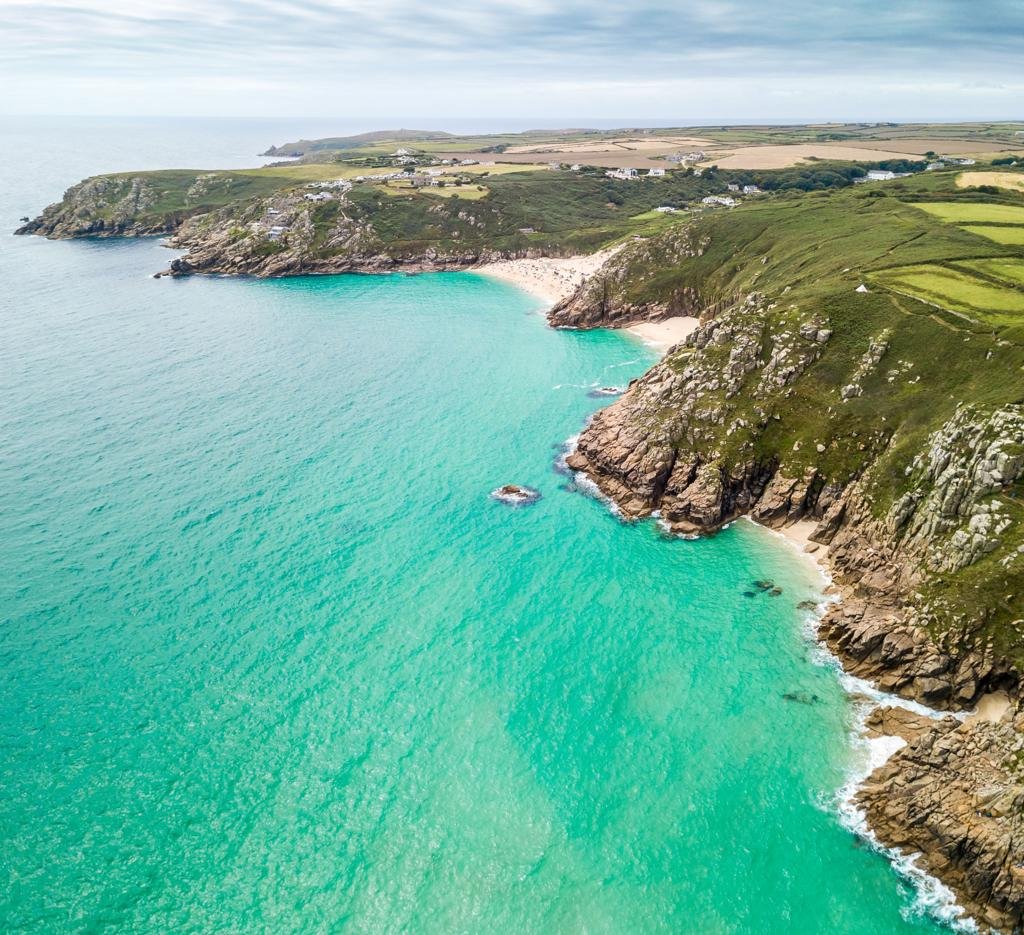
The coastline is one of Cornwall’s biggest attractions. It includes family-friendly sandy beaches, secluded coves and locations known for surfing.
Some popular options include:
- Fistral Beach: A famous surfing destination near Newquay.
- Porthcurno Beach: Known for its clear water and beautiful coastal setting.
- Perranporth Beach: A large sandy beach suitable for walking and beach activities.
- Kynance Cove: Recognised for its unusual rock formations and turquoise water.
- Gyllyngvase Beach: A popular beach near Falmouth.
- Watergate Bay: A wide beach associated with surfing and outdoor activities.
Beach conditions can change with the tide and weather. Visitors should check local safety advice, lifeguard information and seasonal restrictions before entering the water.
Things to Do in Cornwall
Cornwall is not simply a destination for sitting on the beach. It offers a variety of activities throughout the year.
Explore the South West Coast Path
The South West Coast Path is one of the region’s major attractions. It provides access to dramatic cliffs, fishing villages, quiet coves and panoramic sea views.
Visitors can choose short walks or longer routes depending on their fitness and available time.
Visit the Eden Project
The Eden Project near St Austell is a major environmental attraction. Its famous biomes contain different plant environments, including tropical and Mediterranean collections.
It combines education, conservation and tourism, making it an interesting destination for families and nature enthusiasts.
Discover Historic Gardens
Cornwall’s relatively mild coastal climate supports a variety of gardens.
The Lost Gardens of Heligan, Trebah Garden and Glendurgan Garden are popular examples. They offer opportunities to explore unusual plants, landscaped paths and peaceful natural surroundings.
Enjoy Water Sports
The region offers many opportunities for outdoor recreation, including:
- Surfing and bodyboarding.
- Paddleboarding.
- Sailing and kayaking.
- Coastal swimming.
- Boat trips and wildlife watching.
Beginners should consider lessons from qualified local instructors, particularly when exploring unfamiliar beaches or coastal waters.
Cornish Food and Traditional Cuisine
Food is another important part of Cornwall’s identity. Local cuisine reflects its fishing communities, farming traditions and access to fresh regional ingredients.
Cornish Pasty
The Cornish pasty is perhaps the county’s most recognisable traditional food.
It is a baked pastry traditionally filled with beef, potato, swede and onion. Its distinctive shape and crimped edge are closely associated with Cornish food heritage.
Cornish Cream Tea
A traditional Cornish cream tea usually includes scones, clotted cream and strawberry jam.
The local tradition places cream on the scone before adding jam, although the debate about the correct order continues to attract friendly discussion.
Seafood
Cornwall’s coastal location makes seafood an important part of local dining.
Visitors may find locally sourced fish, crab, mussels, oysters and other seafood on restaurant menus.
Padstow, Newlyn and Falmouth are among the places associated with the county’s fishing and seafood traditions.
When Is the Best Time to Visit Cornwall?
The best time to visit depends on what you want to experience.
Spring: March to May
Spring is a pleasant period for exploring gardens, walking routes and historic towns.
The countryside becomes greener, flowers begin to bloom and visitor numbers are often lower than during the summer holiday period.
Summer: June to August
Summer is the busiest travel season.
Warmer weather and longer daylight hours make it suitable for beach holidays, surfing, boat trips and outdoor activities.
However, popular destinations can become crowded, and accommodation may cost more.
Autumn: September to November
Autumn offers a quieter experience in many parts of Cornwall.
The sea and countryside remain attractive, while coastal walks and visits to historic towns can be more relaxed.
Winter: December to February
Winter reveals another side of Cornwall.
The coastline can be dramatic during stormy weather, while historic attractions, galleries and local restaurants provide alternatives to outdoor activities.
Visitors should prepare for rain, strong winds and changing coastal conditions.
How to Travel Around Cornwall
Planning transport is important because Cornwall has many rural communities and coastal destinations.
Travelling by Car
Driving provides flexibility, especially when visiting small villages, beaches and countryside attractions.
The A30 is a major route into Cornwall, while the A38 provides another connection through southeast Cornwall.
Some rural roads are narrow, so drivers should allow extra time during busy holiday periods.
Travelling by Train
Rail services connect Cornwall with other parts of England. The main railway line serves several important towns, including Plymouth, Bodmin Parkway, St Austell, Truro, Falmouth and Penzance through connecting services.
The journey can also offer impressive coastal scenery.
Local Buses
Local bus services connect many towns and villages. They can be useful for visitors who do not want to drive, although service frequency varies by route and season.
Checking current timetables before travelling is recommended.
Is Cornwall Worth Visiting?
Yes, Cornwall is worth considering for travellers who enjoy natural scenery, history, local food and outdoor activities.
Its appeal comes from the combination of different experiences rather than one single attraction.
A visitor can spend one day exploring historic mining sites, another enjoying a sandy beach and another discovering traditional harbour towns.
Cornwall also offers opportunities for slower travel. Instead of rushing between attractions, visitors can explore individual communities, enjoy local food and discover less familiar parts of the countryside.
For families, couples, photographers, surfers and history enthusiasts, the county offers a wide range of possibilities.
Practical Travel Tips for Visiting Cornwall
A little preparation can make a visit more enjoyable.
- Book accommodation early: Popular coastal destinations can become busy during summer.
- Check tide times: Some beaches and coastal routes are affected by changing tides.
- Pack suitable clothing: Even in summer, coastal weather can change quickly.
- Plan transport: Rural areas may have limited public transport.
- Respect local communities: Follow parking rules, beach regulations and countryside access guidance.
- Explore inland destinations: Do not limit your visit to beaches and harbour towns.
- Support local businesses: Independent cafés, restaurants, shops and attractions contribute to Cornwall’s economy.
Frequently Asked Questions About Cornwall
1. What is Cornwall famous for?
Cornwall is famous for its beautiful beaches, surfing, fishing villages, historic mining heritage, Cornish pasties, coastal scenery and distinctive cultural traditions.
2. Where exactly is Cornwall?
Cornwall is located in southwest England, west of Devon. It is bordered by the Atlantic Ocean, Celtic Sea and English Channel.
3. What is the capital of Cornwall?
Truro is Cornwall’s only city and its administrative centre. It is known for Truro Cathedral, independent shops and its central location.
4. Is Cornwall a good place for a family holiday?
Yes. Cornwall offers family-friendly beaches, gardens, museums, wildlife attractions, boat trips and outdoor activities. Families should check age restrictions and seasonal opening information before visiting attractions.
5. What is the best beach in Cornwall?
There is no single answer because beaches suit different interests. Fistral Beach is popular for surfing, Porthcurno is known for its scenery, and Perranporth offers a wide sandy shoreline.
6. What food should visitors try in Cornwall?
Popular local choices include Cornish pasties, cream teas, fresh seafood and traditional fish dishes.
7. Does Cornwall have its own language?
Yes. Cornish, also known as Kernewek, is a historic Celtic language associated with the region. English is the main everyday language, while Cornish continues to be promoted and learned.
8. Can you visit Cornwall without a car?
Yes. Trains and buses connect several major towns and tourist destinations. However, reaching some remote beaches and rural villages can be easier by car.
9. How many days are enough to explore Cornwall?
Three to five days can provide a good introduction to a few major destinations. A week or longer allows visitors to explore more coastal areas, inland attractions and historic towns without rushing.
10. Is Cornwall suitable for a winter visit?
Yes. Winter is suitable for coastal walks, museums, galleries and exploring historic towns. Visitors should prepare for colder temperatures, rain and strong winds.
Conclusion: Discover the Best of Cornwall
Cornwall combines natural beauty, centuries of history and a distinctive regional culture. From the surfing beaches of Newquay and artistic streets of St Ives to the historic landscapes of its mining communities, the county offers something for many different types of visitors.
Its traditional food, coastal walking routes, gardens and welcoming harbour towns make it an interesting destination throughout the year.
Whether you are researching British heritage or planning your next holiday, Cornwall deserves a place on your list. Take time to explore beyond the famous beaches, discover its local communities and experience what makes this corner of England so distinctive.
Also Read…Cornualles.uk

One Comment