Cornualle: Meaning, History, Geography and Its Connection to Cornwall
Introduction
Cornualle is a term that may appear in searches related to Cornwall, its historical identity, European place names, and regional culture. However, understanding the word requires looking beyond its spelling. It is important to distinguish Cornualle from established names such as Cornwall, Cornualles, and Cornouailles.
Cornwall is a historic region in the southwestern part of England, known for its dramatic coastline, Celtic heritage, traditional fishing communities, and centuries-old mining industry. Its history has influenced languages, literature, tourism, and local traditions across Europe.
So, what does Cornualle mean? Is it another name for Cornwall, or does it refer to something different? This guide explores the possible meaning of Cornualle, its linguistic background, its connection to Cornwall, and the history and attractions that make the region distinctive.
What Is Cornualle?
Cornualle is not a widely established English geographical name with a clearly documented independent definition. It may be a spelling variation, a typing error, or a search term connected with the name Cornwall.
Several established forms of the name exist in different languages:
- Cornwall: The English name for the region in southwestern England.
- Cornualles: The Spanish name for Cornwall.
- Cornouailles: The French name for Cornwall.
- Cornualha: The Portuguese name for Cornwall.
- Cornovaglia: The Italian name for Cornwall.
- Kernow: The traditional Cornish name for the region.
These names refer to the same general geographical and cultural area, although historical linguistic forms can sometimes refer to different regions.
For this reason, anyone researching Cornualle should consider the language, context, and spelling used in the original source.
Where Is Cornwall Located?
Cornwall is situated at the southwestern tip of England. It forms a peninsula extending into the Atlantic region, with Devon bordering it to the east.
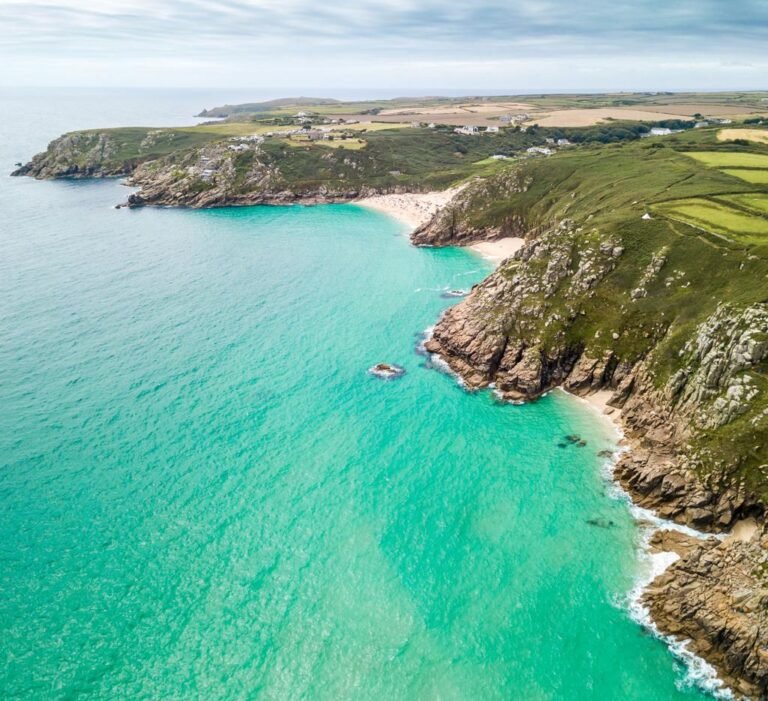
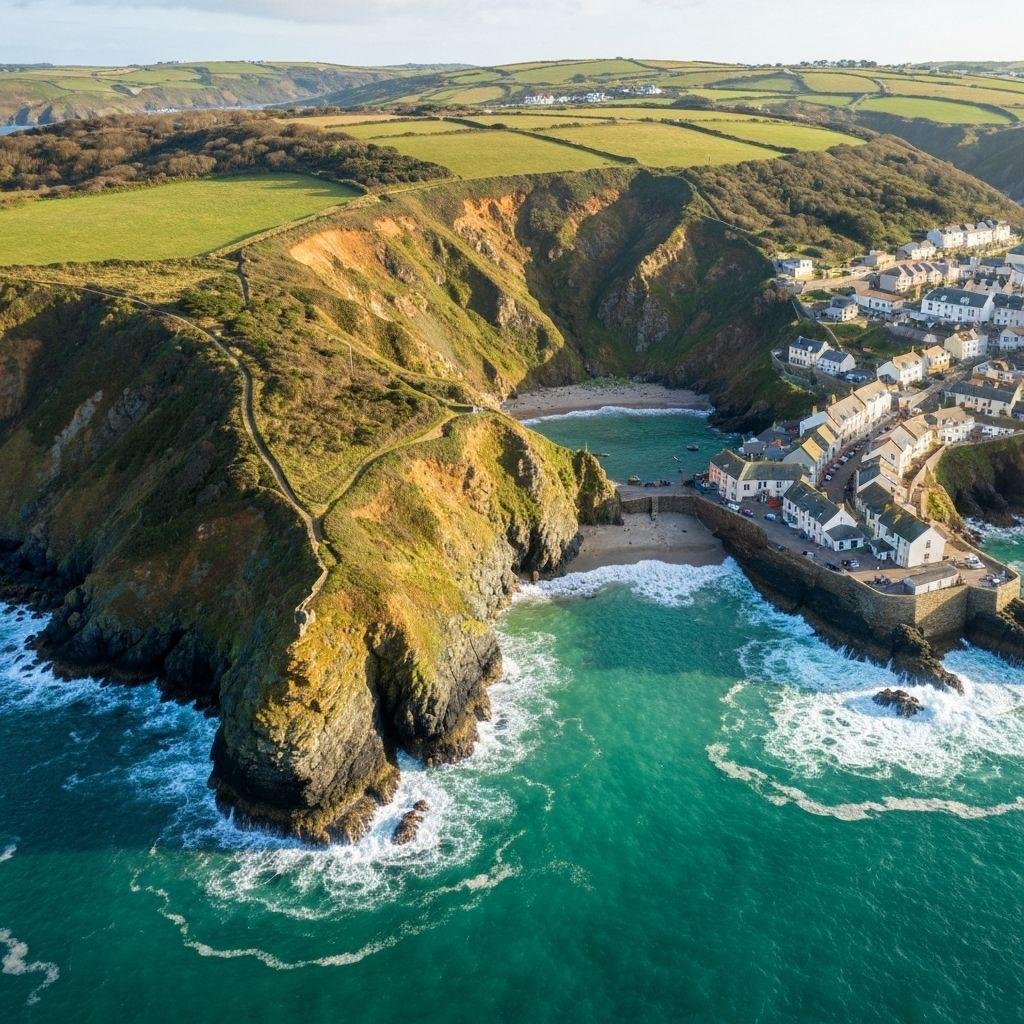
Its geographical position gives the area a distinctive landscape. Long stretches of coastline, rocky headlands, sandy beaches, fishing harbours, and open countryside are important parts of its identity.
The region is surrounded by the sea on three sides. This has influenced its economy, settlement patterns, transportation, and cultural development throughout history.
Truro is Cornwall’s administrative centre and only city. Other well-known towns and coastal communities include:
- Penzance
- St Ives
- Falmouth
- Newquay
- Bodmin
- Padstow
- Fowey
- Redruth
- Camborne
Each destination has its own character. Some are known for beaches and tourism, while others have stronger connections with mining, maritime trade, and historic architecture.
The History Behind the Name Cornualle
Understanding Cornualle requires examining the historical development of the name Cornwall.
The English name has roots in older languages. According to historical linguistic explanations, it developed from Old English forms associated with the Cornish territory and its people. The second element is related to the Old English word wealh, historically used for a foreigner or Brittonic-speaking person.
The first element is associated with the older name used for the Cornish people and their territory.
Historical forms of the name include Cornwal, Cornwayle, and Cornualia. These variations appeared in different periods and written records.
The name is also connected with the Cornish word Kernow, which remains an important expression of regional identity.
It is worth remembering that historical spellings were not always consistent. Medieval writers often adapted geographical names to the language and writing conventions of their time.
This explains why similar-looking names can appear in historical documents without necessarily representing separate modern locations.
Cornwall’s Celtic Heritage and Cultural Identity
One of the most important features of Cornwall is its Celtic cultural background.
The Cornish people have a distinct regional identity shaped by language, customs, historical experiences, and connections with other Celtic communities.
The Cornish Language
Cornish is a Celtic language closely related to Welsh and Breton. It developed as a language of everyday communication and cultural expression.
Although its use declined significantly over several centuries, efforts to revive it have helped restore interest in Cornish traditions.
Today, the language can be encountered through educational programmes, cultural organisations, place names, community activities, and public events.
The word Kernow is particularly important because it represents the traditional Cornish name for the region.
Cornish Traditions
Cornwall has preserved several traditions that connect modern communities with their past.
Local festivals, traditional music, storytelling, historic celebrations, and regional food all contribute to its cultural identity.
These traditions are not simply tourist attractions. They also help communities maintain a connection with their history and pass local knowledge between generations.
The Cornish identity was formally recognised as a national minority by the UK Government in 2014, reflecting its distinctive cultural heritage.
Cornwall’s Mining History
Mining played a major role in Cornwall’s economic and social development.
For centuries, the region was associated with the extraction of tin and copper. China clay also became an important industry.
During the industrial period, mining communities expanded around areas such as Camborne, Redruth, and St Just. Mining brought employment, technological development, and international commercial connections.
Tin and Copper Production
Cornwall became particularly famous for its tin and copper resources.
Mining operations influenced the development of local settlements, railway networks, ports, and engineering industries.
The remains of old mines can still be seen across the countryside. Tall engine houses and industrial buildings are reminders of the region’s former economic importance.
Cornish Mining Heritage Today
Cornwall’s mining heritage remains an important attraction for historians and visitors.
The Cornwall and West Devon Mining Landscape is recognised as a UNESCO World Heritage Site. Its historic remains demonstrate the region’s influence on mining technology and industrial development.
Visitors interested in the subject can explore preserved mining sites, museums, historic trails, and former industrial settlements.
Popular Places to Explore in Cornwall
If your interest in Cornualle comes from geographical research or travel planning, understanding Cornwall’s major destinations provides useful context.
1. St Ives
St Ives is a coastal town known for its beaches, harbour, galleries, and artistic community.
Its scenic surroundings have attracted artists and visitors for generations. The town combines traditional Cornish architecture with a lively cultural atmosphere.
2. Newquay
Newquay is one of Cornwall’s best-known seaside destinations.
It attracts surfers, families, and outdoor enthusiasts. Fistral Beach is particularly popular for surfing and coastal activities.
3. Penzance
Penzance is a historic town in western Cornwall.
Its location makes it a useful base for exploring nearby coastal villages, historic landmarks, and the surrounding peninsula.
4. Falmouth
Falmouth has a strong maritime identity.
Its natural harbour, maritime museum, waterfront attractions, and sailing connections make it an important destination for people interested in Cornwall’s relationship with the sea.
5. Truro
Truro is Cornwall’s administrative centre and only city.
It is known for its cathedral, historic streets, independent shops, and central location. It also provides access to many other parts of the region.
Cornwall’s Natural Landscape and Coastline
Cornwall’s geography is one of the main reasons for its popularity.
The region offers a combination of dramatic cliffs, sandy beaches, green countryside, open moorland, and sheltered estuaries.
Coastal Scenery
The coastline features different landscapes depending on the location.
Northern Cornwall is particularly popular for surfing and wide sandy beaches. The southern coastline includes sheltered coves, fishing villages, and picturesque harbours.
Land’s End is among the region’s most recognised geographical landmarks. It represents the southwestern extremity of mainland England.
Wildlife and Outdoor Activities
Cornwall provides opportunities for walking, cycling, surfing, sailing, birdwatching, and wildlife observation.
Coastal walking routes allow visitors to explore different sections of the landscape while discovering historic settlements and natural habitats.
Responsible tourism is important because many coastal environments are sensitive to erosion, litter, and pressure from seasonal visitors.
Why Do People Search for Cornualle?
Searches for unusual geographical terms often come from several different needs.
Someone searching for Cornualle may be looking for:
- The meaning and correct spelling of the word.
- Information about Cornwall in England.
- The Spanish or French names for Cornwall.
- The history of the Cornish people.
- The relationship between Cornwall and Celtic culture.
- Historical references to Cornualia or Cornwayle.
- Tourist attractions and places to visit.
- Differences between Cornualle, Cornwall, and Cornualles.
Understanding these possibilities makes it easier to find reliable information.
For example, someone researching the Spanish term Cornualles should look for Spanish-language geographical references, while someone researching Cornish history should focus on Cornwall’s historical and cultural sources.
Cornualle vs Cornwall vs Cornualles: What Is the Difference?
The spellings may look similar, but their usage is different.
| Term | Meaning or usage |
|---|---|
| Cornualle | Unverified or uncommon spelling; context is needed |
| Cornwall | Standard English geographical name |
| Cornualles | Spanish name for Cornwall |
| Cornouailles | French name for Cornwall |
| Cornualha | Portuguese name for Cornwall |
| Cornovaglia | Italian name for Cornwall |
| Kernow | Traditional Cornish name |
The main distinction is that Cornwall is the standard English name, while Cornualles and Cornouailles are established forms in other languages.
Cornualle should not automatically be treated as an official alternative spelling without supporting evidence.
Is Cornualle Related to European Place Names?
The connection between these terms is primarily linguistic and historical.
European languages have developed their own spellings and pronunciations for geographical locations. This is common with countries, cities, provinces, and historical regions.
Cornwall provides a good example because its name appears in several European languages.
It is also important to distinguish Cornwall in England from Cornouaille in Brittany, France. Although their names are historically related, Cornouaille is a separate Breton historical region.
This distinction is useful when researching old maps, historical documents, European geography, and cultural connections.
How to Research Cornualle Correctly
If you encounter Cornualle in a document, website, or search result, a few simple steps can help establish what it means.
- Check the original spelling: Look for possible alternatives such as Cornwall, Cornualles, and Cornouailles.
- Identify the language: Determine whether the source is written in English, Spanish, French, or another language.
- Examine the context: Check whether the reference concerns geography, history, culture, or a personal or commercial name.
- Use reliable references: Consult recognised dictionaries, historical archives, government resources, and established geographical publications.
- Compare historical records: Older spellings can help explain why a term appears in an unusual form.
These steps reduce the risk of confusing similar place names or repeating inaccurate information.
Frequently Asked Questions About Cornualle
1. What does Cornualle mean?
Cornualle is not a widely recognised standard English geographical name. It may be an unusual spelling or a search variation connected with Cornwall.
2. Is Cornualle another name for Cornwall?
It may be used by some people when referring to Cornwall, but it is not an established standard alternative spelling. Cornwall is the correct English geographical name.
3. Where is Cornwall located?
Cornwall is located in southwestern England. It occupies a peninsula bordered by Devon to the east and surrounded by the sea on its other sides.
4. What is Cornwall called in Spanish?
Cornwall is called Cornualles in Spanish. This is an established translation used in Spanish-language geographical references.
5. What is the French name for Cornwall?
The French name is Cornouailles. It refers to the historic region in southwestern England.
6. What is the traditional Cornish name for Cornwall?
The traditional Cornish name is Kernow. It is an important part of the region’s language and cultural identity.
7. Is Cornwall part of England?
Yes. Cornwall is part of England and is located at its southwestern extremity. It also has a distinctive cultural heritage and regional identity.
8. What is Cornwall famous for?
Cornwall is known for its coastline, beaches, fishing communities, Celtic heritage, historic mining industry, traditional food, and tourist destinations.
9. Is Cornouaille the same as Cornwall?
Not always. Cornouailles is the French name for Cornwall in England, but Cornouaille can also refer to a separate historical region in Brittany, France.
10. Why are there different spellings of Cornwall?
Different languages have adapted the name according to their pronunciation and writing systems. Historical spelling changes have also contributed to the different forms.
Conclusion
Cornualle is an interesting search term because it highlights the relationship between language, historical spelling, and geographical identity. Although it is not a widely established English place name, it may be connected with Cornwall and its international forms, including Cornualles and Cornouailles.
Cornwall itself has a remarkable history shaped by Celtic traditions, mining, maritime communities, and a distinctive natural landscape. Understanding the differences between these names helps readers research the region more accurately.
Whether you are exploring its history, language, geography, or cultural heritage, reliable information is the best starting point. Continue exploring our website for more informative guides about places, history, culture, and topics that deserve a closer look.