Cornual Pregnancy: Symptoms, Causes, Diagnosis and Treatment
A pregnancy is usually expected to develop inside the main cavity of the uterus. However, sometimes a fertilized egg implants in an unusual location near the upper part of the uterus. This condition may be described as a cornual pregnancy.
Cornual pregnancy is a rare and potentially serious pregnancy condition that requires careful medical assessment. Its location can make diagnosis challenging, particularly during the early weeks of pregnancy. Without timely treatment, complications such as internal bleeding and uterine rupture may occur.
Understanding the symptoms, causes, diagnostic procedures, and available treatments can help patients recognize potential warning signs and seek appropriate medical care.
This guide explains what cornual pregnancy means, how doctors identify it, what treatment options may be considered, and what patients should know about future pregnancies.
What Is Cornual Pregnancy?
Cornual pregnancy is a term used to describe a pregnancy implanted in an abnormal location near the upper corner of the uterus.
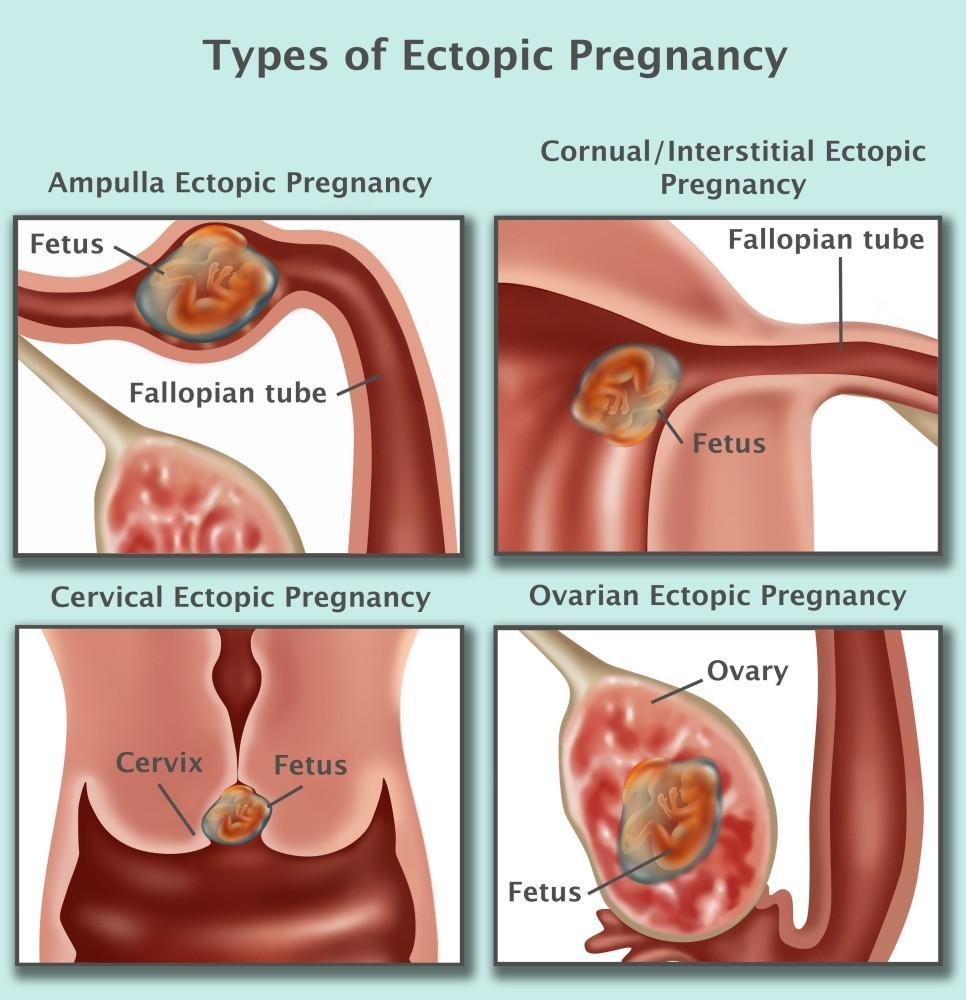
The uterus has two upper corners, where the fallopian tubes connect to the main uterine cavity. Pregnancy developing in this region may involve an abnormal uterine horn or the interstitial portion of a fallopian tube.
Medical terminology surrounding this condition can be confusing. Some healthcare professionals use the term cornual pregnancy interchangeably with interstitial ectopic pregnancy, although they are not always the same condition.
An interstitial ectopic pregnancy occurs when a fertilized egg implants in the portion of the fallopian tube that passes through the muscular wall of the uterus.
A true cornual pregnancy may involve a uterine abnormality, such as a bicornuate uterus or a rudimentary uterine horn.
This distinction matters because the exact implantation location affects diagnosis, treatment decisions, and potential complications.
How Common Is Cornual Pregnancy?
Cornual pregnancy is considered uncommon. Interstitial ectopic pregnancies represent a small proportion of ectopic pregnancies.
The exact frequency of true cornual pregnancy is difficult to establish because medical studies have historically used different definitions for cornual and interstitial pregnancies.
Improvements in ultrasound technology have helped doctors identify unusual implantation locations earlier.
Although uncommon, this condition deserves attention because pregnancy developing in the interstitial region can sometimes progress before serious symptoms appear.
What Causes Cornual Pregnancy?
Cornual pregnancy develops when a fertilized egg implants in an abnormal location rather than following the usual implantation process inside the main uterine cavity.
There is not always one identifiable cause. Several reproductive and anatomical factors may contribute to abnormal implantation.
1. Previous Ectopic Pregnancy
A previous ectopic pregnancy may increase the likelihood of another ectopic pregnancy.
Damage or changes involving the fallopian tubes can interfere with the normal movement of a fertilized egg.
2. Previous Pelvic or Tubal Surgery
Surgical procedures involving the fallopian tubes or surrounding reproductive structures may sometimes cause scarring or anatomical changes.
Examples include:
- Previous ectopic pregnancy surgery.
- Fallopian tube reconstruction.
- Certain pelvic surgeries.
- Procedures involving damaged reproductive tissues.
3. Pelvic Inflammatory Disease
Pelvic inflammatory disease (PID) is an infection affecting the female reproductive organs.
When left untreated, it can cause inflammation and scarring in the fallopian tubes. This damage may interfere with the normal movement of an egg.
4. Abnormal Uterine Anatomy
Some women are born with differences in uterine structure.
Examples include:
- Bicornuate uterus.
- Septate uterus.
- Unicornuate uterus.
- Rudimentary uterine horn.
These anatomical differences may influence where an embryo implants.
5. Fertility Treatments
Assisted reproductive technologies, including in vitro fertilization (IVF), are associated with an increased risk of certain ectopic pregnancies.
However, undergoing fertility treatment does not mean a woman will necessarily develop this condition.
6. Previous Reproductive Health Problems
Previous infections, tubal damage, and certain reproductive conditions may increase ectopic pregnancy risk.
It is important to remember that some patients develop ectopic pregnancies without any known risk factors.
What Are the Early Symptoms of Cornual Pregnancy?
Recognizing early symptoms is important because an interstitial ectopic pregnancy can become dangerous if it progresses without diagnosis.
Symptoms may appear during the first trimester, although some women initially experience no noticeable problems.
Common warning signs include:
Lower Abdominal Pain
Pain may develop on one side of the lower abdomen or pelvic region.
It can be mild at first and may gradually become more severe.
Vaginal Bleeding
Some women experience spotting or unusual vaginal bleeding.
The bleeding may be light, irregular, or different from a normal menstrual period.
Shoulder Tip Pain
Pain near the shoulder tip can sometimes indicate internal bleeding.
This happens because blood inside the abdomen may irritate the diaphragm and produce referred shoulder pain.
Shoulder tip pain during a possible ectopic pregnancy requires urgent medical assessment.
Dizziness or Weakness
Internal bleeding can cause reduced blood circulation, resulting in dizziness, weakness, or fainting.
These symptoms should never be ignored.
Pregnancy Symptoms
Some women continue to experience typical early pregnancy symptoms, including:
- Nausea.
- Breast tenderness.
- Missed periods.
- Fatigue.
- Positive pregnancy tests.
A positive pregnancy test does not confirm that the pregnancy is developing in the correct location.
Important medical warning: Sudden severe abdominal pain, fainting, marked dizziness, shoulder tip pain, or signs of shock require immediate emergency care. These symptoms may indicate a ruptured ectopic pregnancy and potentially life-threatening internal bleeding.
Cornual Pregnancy vs. Interstitial Pregnancy vs. Angular Pregnancy
These three terms are sometimes confused because they describe pregnancies in nearby anatomical regions.
However, they do not necessarily represent the same medical condition.
| Condition | Implantation location | Medical significance |
|---|---|---|
| Cornual pregnancy | Usually associated with an abnormal uterine horn | Can be dangerous |
| Interstitial pregnancy | Within the portion of the fallopian tube passing through the uterine muscle | Ectopic pregnancy |
| Angular pregnancy | Historically described near the lateral angle of the uterine cavity | May represent an intrauterine pregnancy |
An angular pregnancy is not automatically an ectopic pregnancy. Modern ultrasound terminology recommends more precise descriptions of implantation location to prevent misdiagnosis.
This distinction is particularly important because an incorrectly diagnosed intrauterine pregnancy could lead to inappropriate treatment.
How Is Cornual Pregnancy Diagnosed?
Doctors use a combination of medical history, physical assessment, ultrasound imaging, and pregnancy hormone measurements to investigate suspected cornual pregnancy.
Early and accurate diagnosis is essential for selecting appropriate treatment.
1. Transvaginal Ultrasound
Transvaginal ultrasound is one of the most important diagnostic tools.
During this examination, a small ultrasound probe is placed inside the vagina to produce detailed images of the uterus and surrounding reproductive structures.
Doctors assess:
- The position of the gestational sac.
- Its relationship to the main uterine cavity.
- The surrounding uterine muscle.
- The interstitial portion of the fallopian tube.
- Possible signs of internal bleeding.
Three-dimensional ultrasound may also help clarify complicated anatomical findings.
2. Blood Pregnancy Test (Beta-hCG)
Beta-human chorionic gonadotropin (beta-hCG) is a hormone produced during pregnancy.
Doctors may measure its level through blood tests and repeat the measurements when necessary.
Changes in beta-hCG levels can provide useful information about pregnancy development.
However, beta-hCG results alone cannot reliably establish the location of a pregnancy.
3. Pelvic Examination
A healthcare professional may perform a pelvic examination to assess tenderness, pain, and other physical findings.
However, a pelvic examination cannot independently confirm cornual pregnancy.
4. Additional Imaging
In selected cases, doctors may consider additional imaging, such as magnetic resonance imaging (MRI), when ultrasound findings are unclear.
The decision depends on the patient’s condition and the clinical question that needs answering.
What Are the Treatment Options for Cornual Pregnancy?
Treatment depends on the exact implantation location, pregnancy development, symptoms, ultrasound findings, beta-hCG levels, and whether there is evidence of rupture.
There is no single treatment suitable for every patient.
The main approaches include medical treatment, surgery, and carefully selected observation.
1. Methotrexate Treatment
Methotrexate is a medication that stops rapidly dividing pregnancy cells from continuing to grow.
Doctors may consider it in selected patients with an early, unruptured ectopic pregnancy who meet appropriate medical criteria.
Depending on the implantation location, a specialist may consider systemic or locally administered treatment.
Patients receiving methotrexate require regular blood tests to monitor beta-hCG levels and determine whether treatment is working.
Important considerations include:
- Follow-up appointments are essential.
- Additional treatment may sometimes be necessary.
- Rupture can still occur during follow-up.
- Patients must follow medical advice about pregnancy avoidance after treatment.
Methotrexate is not appropriate for every cornual or interstitial pregnancy.
2. Surgical Treatment
Surgery may be necessary when there is significant bleeding, suspected rupture, an unsuitable location for medical treatment, or unsuccessful previous treatment.
Depending on the clinical situation, surgeons may consider:
Laparoscopic surgery: A minimally invasive procedure using small abdominal incisions and a camera.
Cornuostomy: A surgical approach that opens the affected area and removes the pregnancy tissue while attempting to preserve surrounding uterine tissue.
Cornual resection: Removal of the affected portion of the uterine wall containing the pregnancy.
The appropriate operation depends on the patient’s condition, anatomy, and surgical findings.
In emergencies involving severe internal bleeding, immediate surgery may be required.
3. Expectant Management
Expectant management means monitoring the condition without immediately using medication or surgery.
This approach is only appropriate in carefully selected circumstances under specialist supervision.
Interstitial ectopic pregnancies require particular caution because rupture can cause serious internal bleeding.
Patients should never attempt to monitor a suspected cornual pregnancy at home without medical supervision.
What Are the Possible Complications?
Cornual and interstitial pregnancies can cause serious complications because of their location within or near the muscular uterine wall.
Possible complications include:
Uterine Rupture
As the pregnancy grows, the surrounding tissue may stretch and eventually rupture.
This can result in severe internal bleeding.
Hemorrhage
Heavy internal bleeding may develop following rupture.
In serious cases, emergency surgery and blood transfusion may be necessary.
Damage to Uterine Tissue
Some surgical procedures involve removing affected uterine muscle.
This may influence recommendations for monitoring and planning future pregnancies.
Fertility Challenges
Future fertility depends on several factors, including the patient’s reproductive health, the extent of tissue damage, and the treatment performed.
Some women can become pregnant again after treatment, while others may require fertility support.
Can You Get Pregnant After Cornual Pregnancy?
Yes, many women may be able to conceive after treatment for an ectopic pregnancy.
However, future fertility depends on individual circumstances.
Important factors include:
- Whether both fallopian tubes are healthy.
- The amount of uterine tissue affected.
- Whether surgery was required.
- Previous reproductive health conditions.
- Age and overall fertility.
After treatment, patients should discuss future pregnancy plans with their gynecologist.
The recommended waiting period depends on the treatment received. Methotrexate, in particular, requires a period of avoiding pregnancy as advised by the treating specialist.
Is Another Ectopic Pregnancy Possible?
Yes. Having one ectopic pregnancy increases the risk of another.
This does not mean another ectopic pregnancy is inevitable.
When pregnancy occurs again, early medical assessment and an appropriately timed ultrasound can help confirm the location of the developing pregnancy.
Patients with a history of cornual or interstitial pregnancy may benefit from early specialist follow-up.
How Can the Risk of Cornual Pregnancy Be Reduced?
Not every case can be prevented, especially when congenital uterine abnormalities are involved.
However, certain steps may reduce some risk factors associated with ectopic pregnancy.
Consider the following precautions:
- Seek timely treatment for sexually transmitted infections.
- Attend recommended reproductive health examinations.
- Discuss previous ectopic pregnancies with a gynecologist.
- Seek medical advice about pelvic pain or unusual bleeding.
- Follow medical guidance after fertility treatments.
- Avoid smoking, which is associated with increased ectopic pregnancy risk.
Maintaining reproductive health does not guarantee prevention, but early medical care can improve the chances of identifying complications.
When Should You See a Doctor?
Medical assessment is important whenever pregnancy is accompanied by unexplained abdominal pain or unusual vaginal bleeding.
Do not wait for symptoms to become severe.
Contact a healthcare professional promptly if you experience:
- Persistent lower abdominal pain.
- Unusual vaginal bleeding.
- Pain on one side of the pelvis.
- Shoulder tip pain.
- Dizziness or weakness during early pregnancy.
If you experience sudden severe pain, fainting, collapse, or signs of serious blood loss, go to the nearest emergency department immediately or contact local emergency medical services.
Early diagnosis can help prevent serious complications.
Frequently Asked Questions About Cornual Pregnancy
1. Is cornual pregnancy dangerous?
Yes. A true cornual pregnancy or an interstitial ectopic pregnancy can be dangerous because it may cause uterine rupture and severe internal bleeding. Early diagnosis and specialist treatment are important.
2. Can cornual pregnancy survive?
An ectopic pregnancy cannot develop into a safe, normal birth. Although the pregnancy may initially continue to grow, it can cause life-threatening complications. Treatment is necessary to protect the patient’s health.
3. How early can cornual pregnancy be detected?
It may be detected during an early pregnancy ultrasound. The exact timing depends on pregnancy development, scan findings, and the ability to identify the implantation location.
4. Does cornual pregnancy cause bleeding?
Yes. Vaginal spotting or bleeding can occur. However, some patients have no bleeding initially, so the absence of this symptom does not rule out an ectopic pregnancy.
5. Can ultrasound confirm cornual pregnancy?
Transvaginal ultrasound is a key diagnostic tool. Doctors examine the gestational sac, uterine anatomy, surrounding muscle, and its relationship to the uterine cavity. Additional imaging may sometimes be needed.
6. Is cornual pregnancy the same as ectopic pregnancy?
Cornual pregnancy is often used to describe a type of abnormal implantation, but its meaning varies. Interstitial pregnancy is a specific form of ectopic pregnancy involving the fallopian tube within the uterine wall. Accurate anatomical terminology is important.
7. Can methotrexate treat cornual pregnancy?
Methotrexate may be considered for selected early, unruptured cases. Treatment suitability depends on the precise implantation location, pregnancy development, symptoms, and other medical factors.
8. Can cornual pregnancy happen after IVF?
Yes. Ectopic pregnancies, including unusual implantation locations, can occur following IVF. Fertility treatment does not eliminate the possibility of ectopic pregnancy.
9. Can a woman have a normal pregnancy after cornual pregnancy?
A future normal pregnancy may be possible. However, individual fertility and pregnancy risks depend on the treatment received and the condition of the reproductive organs.
10. Does cornual pregnancy always require surgery?
No. Some carefully selected patients may receive medical treatment. However, surgery is necessary in certain cases, particularly when rupture or significant bleeding occurs.
11. How long does recovery take after cornual pregnancy treatment?
Recovery varies according to the treatment method and the patient’s overall health. Recovery after surgery may take several weeks, while medical treatment requires ongoing blood tests and follow-up until the pregnancy hormone reaches an appropriate level.
12. Can cornual pregnancy be prevented?
There is no guaranteed way to prevent it. However, treating reproductive infections, addressing known tubal problems, and seeking early pregnancy assessment may help reduce certain risks or identify complications sooner.
Conclusion
Cornual pregnancy is a rare but potentially serious condition that requires accurate diagnosis and appropriate medical treatment. Understanding its symptoms, causes, ultrasound findings, and available treatment options can help patients make informed decisions about their reproductive health.
The most important step is recognizing warning signs early and seeking professional medical advice rather than waiting for symptoms to worsen.
If you have experienced an ectopic pregnancy or are planning another pregnancy after treatment, consult a qualified gynecologist for an individualized care plan. Early assessment, accurate diagnosis, and specialist support are essential for protecting maternal health and planning future pregnancies.
Medical disclaimer: This article is intended for educational purposes only. It does not replace professional medical advice, diagnosis, or treatment. Suspected ectopic pregnancy requires prompt medical assessment.
Medical References
- NHS – Ectopic Pregnancy: Symptoms, Diagnosis and Treatment
- Royal College of Obstetricians and Gynaecologists – Ectopic Pregnancy
- International Society of Ultrasound in Obstetrics and Gynecology – Interstitial Ectopic Pregnancy
- European Society of Human Reproduction and Embryology – Terminology for Describing Normally Sited and Ectopic Pregnancies on Ultrasound
- Society of Radiologists in Ultrasound – First-Trimester Ultrasound Terminology Recommendations
Editorial recommendation: Have this medical article reviewed by a qualified obstetrician-gynaecologist before publication.
Also Read…Cornualles.uk






One Comment