


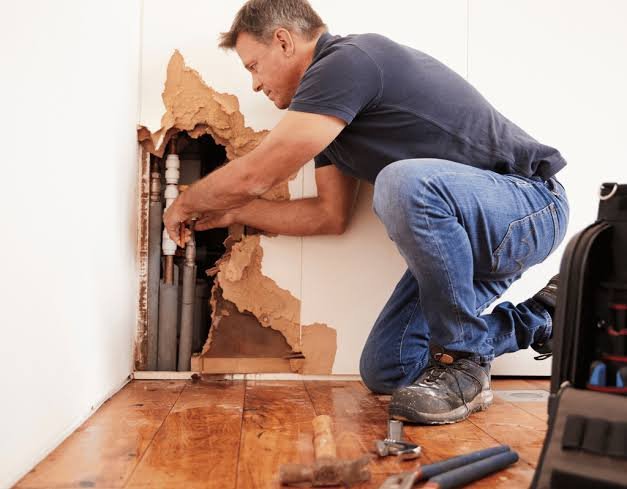
Keeping a home comfortable, safe, and functional requires more than occasional cleaning. Small problems such as a dripping faucet, loose cabinet handle, damaged wall, faulty light switch, or blocked drain can gradually become expensive repairs when ignored. Thehometrotters homerepairs is a useful topic for homeowners who want to understand the basics of maintaining their property, identifying common household problems, and approaching repair projects in a practical way.
Home repair does not always mean hiring a professional immediately. Many simple maintenance jobs can be handled with basic tools, patience, and the right information. At the same time, knowing when a problem requires a qualified electrician, plumber, roofer, HVAC technician, or structural specialist is equally important.
This guide explores the major areas of home maintenance, common repair situations, preventive strategies, essential tools, budgeting considerations, and safety practices. The goal is to provide useful information that homeowners can apply to everyday property care.
Quick Bio
| Feature | Details |
|---|---|
| Topic | Thehometrotters homerepairs |
| Main Focus | Home maintenance, repairs, troubleshooting, and improvement |
| Common Areas | Plumbing, electrical systems, walls, doors, roofing, flooring, and fixtures |
| Primary Audience | Homeowners, renters, and DIY enthusiasts |
| Key Principle | Fix minor issues early and monitor recurring problems |
| Essential Tools | Screwdrivers, pliers, measuring tape, hammer, wrench, and utility knife |
| Safety Priority | Turn off utilities when appropriate and use protective equipment |
| Long-Term Goal | Maintain a safe, functional, comfortable, and well-maintained home |
What Does Thehometrotters Homerepairs Mean for Homeowners?
The idea behind Thehometrotters homerepairs can be understood as a practical approach to looking after residential spaces. Instead of treating home repair as something that only happens when a major breakdown occurs, homeowners can develop a regular maintenance routine.
A well-maintained property usually receives attention in several areas. Plumbing fixtures need inspection, electrical components should be monitored for warning signs, roofs and gutters require seasonal checks, and interior surfaces may need occasional repairs.
The most useful mindset is preventive rather than reactive. Finding a small issue early can sometimes prevent water damage, deterioration, mold growth, energy loss, or a much larger repair bill.
Why Regular Home Maintenance Matters
A house contains many interconnected systems. A problem that appears minor on the surface may indicate a deeper issue.
For example, a small ceiling stain could be associated with a leaking roof or plumbing line. A repeatedly tripping circuit breaker might indicate an electrical problem rather than a defective appliance. Similarly, a door that suddenly becomes difficult to close may be affected by humidity, settlement, damaged hinges, or frame movement.
Regular maintenance provides several benefits.
Protecting the Property
Routine inspections help homeowners identify deterioration before it becomes severe. Keeping gutters clear, repairing damaged sealant, checking exterior surfaces, and addressing leaks can help preserve building materials.
Controlling Repair Costs
Preventive maintenance can reduce the likelihood of emergency repairs. A worn washer is inexpensive compared with repairing extensive water damage caused by a neglected faucet or pipe connection.
Improving Comfort
Maintenance also affects everyday living. Properly sealed windows, functioning heating and cooling equipment, working plumbing, and sound doors contribute to a more comfortable home.
Supporting Safety
Some household problems create genuine safety risks. Electrical faults, gas-related problems, unstable structures, and significant water leaks should never be treated as ordinary DIY projects.
Common Plumbing Repairs Around the Home
Plumbing is one of the most frequently encountered areas of residential maintenance.
A dripping faucet is often caused by a worn washer, cartridge, O-ring, or other internal component. Depending on the fixture, replacing the damaged part may solve the problem.
A slow drain is another common issue. Hair, soap residue, food particles, and accumulated debris can restrict water flow. Basic drain cleaning may help with a minor blockage, but repeated clogging can indicate a deeper drainage problem.
Fixing a Minor Faucet Leak
Before working on a faucet, shut off the appropriate water supply. Remove the handle and inspect the internal components according to the fixture design. Replace worn parts and reassemble the faucet carefully.
Do not overtighten connections. Excessive force can damage threads or seals.
Dealing With a Running Toilet
A toilet that continues running after flushing may waste a considerable amount of water. Common causes include a worn flapper, incorrect float adjustment, or a faulty fill valve.
Replacing the affected component is often straightforward, but the correct replacement depends on the toilet mechanism.
When Plumbing Requires Professional Help
Professional assistance is appropriate when there is a major pipe leak, sewage backup, concealed water damage, persistent low water pressure, or a problem involving complex plumbing infrastructure.
Basic Electrical Maintenance and Safety
Electrical work deserves greater caution than many cosmetic repairs. Homeowners can perform simple tasks such as replacing certain light fixtures or switches only when they understand the relevant safety procedures and local requirements.
Power should be switched off at the appropriate circuit before working on electrical components, and the absence of power should be verified with a suitable tester.
Warning Signs of Electrical Problems
Several signs deserve attention:
- Burning smells near outlets or electrical equipment
- Warm or discolored outlets
- Sparks from switches or sockets
- Repeated circuit breaker trips
- Flickering lights
- Damaged electrical cords
- Buzzing sounds from electrical fixtures
These symptoms should not be ignored. Electrical faults can create fire and shock hazards.
For complicated wiring, panel work, new circuits, or unexplained electrical behavior, a licensed electrician is generally the appropriate professional.
Repairing Walls, Ceilings, and Interior Surfaces
Interior surfaces naturally experience wear. Small nail holes, cracks, dents, peeling paint, and damaged drywall are common.
Minor holes can often be repaired using suitable filler or joint compound. After the material dries, the surface can be sanded smooth and prepared for painting.
Understanding Wall Cracks
Not every crack has the same meaning.
A small superficial crack in paint or drywall may be a normal cosmetic issue. However, wide, growing, diagonal, or recurring cracks can deserve professional inspection, particularly when they appear alongside sticking doors, uneven floors, or other structural symptoms.
Painting over a crack without understanding why it developed may only hide the visible symptom temporarily.
Doors, Windows, and Hardware Repairs
Doors and windows influence security, insulation, ventilation, and everyday convenience.
Loose hinges can cause a door to sag. Worn weatherstripping can allow drafts around windows and exterior doors. Damaged locks can compromise security.
Many hardware repairs require only basic tools, but measurements matter. Replacing a latch, hinge, handle, or seal with an incompatible part can create additional problems.
Improving Window Sealing
Old or damaged weatherstripping can allow air leakage. Replacing deteriorated seals can improve comfort and may reduce unnecessary heating or cooling demand.
Caulking around suitable exterior gaps can also help prevent drafts and moisture infiltration, although the correct sealant depends on the material and location.
Roof and Gutter Maintenance
The roof protects nearly every part of the building underneath it. Regular inspection can help identify missing or damaged shingles, deteriorated flashing, blocked drainage paths, and other visible concerns.
Gutters are equally important because they direct rainwater away from the structure.
Why Gutter Cleaning Matters
Blocked gutters can cause water to overflow near walls, foundations, windows, and landscaping. Leaves, twigs, dirt, and other debris should be removed periodically.
When accessing a roof or working at significant height, safety should come first. If the job involves steep roofing, structural damage, or difficult access, professional roofing services are safer than attempting the work without appropriate equipment and experience.
Flooring Repairs and Maintenance
Flooring experiences constant traffic, making scratches, loose boards, stains, and damaged sections relatively common.
Different materials require different repair methods.
Hardwood may require refinishing or board replacement. Laminate flooring can sometimes be repaired by replacing individual damaged pieces. Tile may need a new grout line or replacement of a cracked tile.
The correct solution depends on the flooring material, the extent of damage, and whether the underlying surface has also been affected.
Heating, Cooling, and Ventilation Maintenance
Indoor comfort depends heavily on heating, cooling, and ventilation systems.
Homeowners can generally perform simple maintenance such as replacing filters according to the manufacturer’s recommendations and keeping accessible vents unobstructed.
Dirty filters can restrict airflow and place additional demand on equipment. However, unusual noises, refrigerant problems, combustion issues, or major mechanical faults require qualified HVAC service.
Good ventilation also matters for indoor air quality and moisture control. Bathrooms and kitchens should have appropriate ventilation to reduce excess humidity.
Essential Tools for Everyday Home Repairs
A basic household toolkit can handle many small maintenance jobs.
Useful items include:
- Phillips and flat-head screwdrivers
- Adjustable wrench
- Combination pliers
- Hammer
- Tape measure
- Utility knife
- Level
- Hex key set
- Drill and appropriate bits
- Flashlight
- Safety glasses
- Work gloves
A homeowner does not need to purchase every tool at once. Building a toolkit gradually based on actual repair needs can be more practical.
How to Decide Between DIY and Professional Repair
One of the most important lessons in Thehometrotters homerepairs is understanding personal limits.
A useful decision process involves three questions:
- Do I understand the cause of the problem?
- Do I have the correct tools and replacement materials?
- Could an incorrect repair create a safety risk or significantly increase damage?
If the answer to the third question is yes, professional help should be considered.
DIY is generally more suitable for low-risk cosmetic and maintenance tasks. Professional assistance is more appropriate for structural work, complex electrical systems, gas appliances, major plumbing failures, roofing hazards, and other specialized jobs.
Creating a Home Repair Budget
Unexpected repairs can put pressure on a household budget. Setting aside money specifically for maintenance can make emergencies easier to manage.
A useful home maintenance budget can include:
- Routine maintenance
- Replacement parts
- Basic tools
- Professional service
- Emergency repairs
- Seasonal inspections
- Appliance maintenance
Keeping records of previous repairs can also help identify recurring problems. If the same component repeatedly fails, replacing it again may not address the underlying cause.
Seasonal Home Maintenance Checklist
Different seasons create different maintenance priorities.
Spring
Spring is a useful time to inspect the roof, gutters, exterior walls, windows, drainage systems, and outdoor areas after winter conditions.
Summer
During warmer months, homeowners can pay attention to air conditioning performance, ventilation, outdoor plumbing, and signs of excessive moisture.
Autumn
Before colder weather arrives, inspect heating equipment, clean gutters, check exterior seals, and address obvious roof or drainage problems.
Winter
Cold weather can expose weak insulation, drafts, frozen pipes, and heating-system problems. Maintaining adequate indoor temperature and protecting vulnerable plumbing can help prevent damage.
How to Avoid Common Home Repair Mistakes
Some repair mistakes happen because homeowners rush.
One common mistake is buying replacement parts before identifying the exact problem. Another is using the wrong material for a specific surface. For example, different sealants have different properties, and a product suitable for an interior bathroom may not be appropriate for an exterior joint.
Another frequent mistake is ignoring preparation. Cleaning a surface, measuring accurately, turning off utilities, and reading product instructions may take extra time, but these steps can make the actual repair much easier.
Finally, homeowners should avoid treating online tutorials as a substitute for professional judgment when the project involves significant safety risks.
Smart Maintenance Through Documentation
Keeping a simple home maintenance record can make property care more organized.
Record details such as:
- Date of repair
- Problem identified
- Parts replaced
- Professional hired
- Approximate cost
- Warranty information
- Recommended future maintenance
This information becomes especially useful when selling or renovating a property. It can also reveal patterns that would otherwise be easy to overlook.
Making Home Repairs More Sustainable
Repairing instead of immediately replacing household items can sometimes reduce material waste. Reusing suitable components, choosing durable products, and maintaining appliances can contribute to longer product lifespans.
However, sustainability should not mean keeping an unsafe or severely damaged item in service. Safety and proper functionality should remain the primary considerations.
Technology and Modern Home Maintenance
Technology is increasingly becoming part of household maintenance.
Smart leak detectors can alert homeowners to unusual water activity. Connected thermostats can provide information about heating and cooling patterns. Moisture meters can help identify areas requiring further inspection.
Technology can improve awareness, but sensors should not be treated as perfect diagnostic tools. A warning should encourage investigation rather than replace professional inspection when necessary.
A Practical Approach to Thehometrotters Homerepairs
The most effective home maintenance strategy is usually consistent rather than complicated.
Start by walking through the property and identifying visible problems. Make a list and separate the issues into three groups: immediate safety concerns, repairs that could worsen if delayed, and cosmetic improvements.
Next, determine which tasks can reasonably be completed with available skills and tools. Research the correct repair method, purchase appropriate materials, and work carefully.
For specialized or dangerous projects, contact a qualified professional and ask for a clear explanation of the work required.
This approach helps transform home repair from an overwhelming collection of problems into a manageable maintenance system.
Strong Conclusion
Thehometrotters homerepairs represents a practical way to think about residential maintenance: observe problems early, understand the basics, repair suitable issues carefully, and recognize when expert assistance is necessary. A well-maintained home is not created by one large renovation project. It is maintained through dozens of small decisions made throughout the year.
From plumbing leaks and wall damage to electrical warning signs, roofing inspections, flooring repairs, and seasonal maintenance, every part of a property benefits from regular attention. The key is not to attempt every job yourself. Instead, homeowners should develop the knowledge to distinguish routine maintenance from situations that require specialized expertise.
With a basic toolkit, a maintenance schedule, sensible budgeting, and a safety-first approach, homeowners can take better care of their living spaces while reducing avoidable problems. Good maintenance ultimately means protecting the property, improving everyday comfort, and addressing small concerns before they have an opportunity to become major ones.
Frequently Asked Questions
1. What is Thehometrotters homerepairs?
Thehometrotters homerepairs refers to the broader topic of practical residential repair and maintenance, including common household issues involving plumbing, electrical systems, walls, doors, flooring, roofing, and other home components.
2. Can homeowners handle basic home repairs themselves?
Yes. Many low-risk tasks, such as tightening hardware, replacing suitable filters, patching small wall holes, or performing basic maintenance, can be handled by homeowners with appropriate tools and instructions. More complex work may require qualified professionals.
3. What home repairs should not be ignored?
Electrical warning signs, major water leaks, gas-related concerns, significant roof damage, sewage problems, and possible structural issues should receive prompt attention because delaying them can increase safety risks or property damage.
4. How often should a home be inspected for maintenance problems?
A basic walkthrough every few months is useful, while certain systems require more specific seasonal or manufacturer-recommended maintenance. The appropriate schedule depends on the property’s age, climate, materials, appliances, and systems.
5. How can homeowners reduce unexpected repair expenses?
Regular inspections, preventive maintenance, prompt attention to minor problems, keeping basic tools available, and maintaining an emergency repair fund can help make unexpected household expenses easier to manage.
