


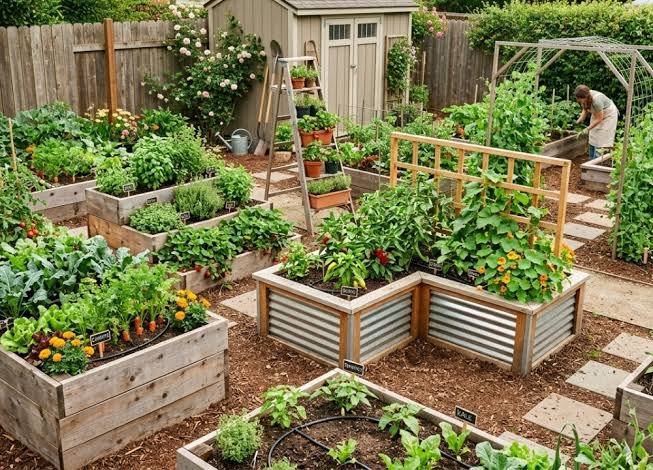
Creating a home that feels comfortable, organized, attractive, and genuinely personal does not always require a major renovation or a large budget. Home advice Decadgarden can be understood as a practical approach to improving everyday living spaces through thoughtful decorating, better organization, useful maintenance habits, and simple garden ideas. Whether you are refreshing a single room, improving your outdoor area, or trying to make your entire property more functional, the right ideas can make a noticeable difference.
A good home is not simply about expensive furniture, fashionable colors, or impressive decorations. It is about creating spaces that work for the people who live in them. From choosing practical storage solutions to improving natural light, arranging furniture correctly, caring for plants, and maintaining outdoor areas, small decisions can have a long-term impact.
Quick Bio
| Feature | Details |
|---|---|
| Topic | Home and garden improvement |
| Main Focus | Practical ideas for comfortable and functional living spaces |
| Interior Areas | Living rooms, bedrooms, kitchens, bathrooms, and entryways |
| Outdoor Areas | Gardens, patios, balconies, and small outdoor spaces |
| Key Principles | Organization, comfort, maintenance, functionality, and personal style |
| Suitable For | Homeowners, renters, decorators, and garden enthusiasts |
| Budget Approach | Includes both simple low-cost improvements and larger projects |
| Overall Goal | Creating a welcoming, practical, and well-maintained home |
Understanding Home Advice Decadgarden
The idea behind Home advice Decadgarden is useful because home improvement is much broader than decoration. A beautiful room may look impressive, but if it is difficult to clean, lacks storage, or does not suit the household’s routine, its appearance alone will not make it a successful living space.
Practical home advice begins by identifying what is not working. Perhaps a room feels too crowded, a kitchen has insufficient storage, a bedroom lacks warmth, or an outdoor area has become neglected. Instead of changing everything at once, homeowners can address these issues one at a time.
This approach also encourages people to think about the relationship between indoor and outdoor spaces. A well-maintained garden, balcony, patio, or terrace can extend the usable living area of a home while adding natural beauty.
Start With Function Before Decoration
One of the most useful principles in home improvement is to consider function before appearance. Before purchasing new furniture or decorative accessories, think about how each space is actually used.
For example, a living room may need enough open floor space for children to play, while a home office requires a comfortable desk and suitable lighting. A bedroom should support relaxation, whereas a kitchen needs efficient movement between preparation, cooking, washing, and storage areas.
Once the practical requirements are clear, decoration becomes easier.
Ask yourself:
- What activities happen in this room?
- Which items are used every day?
- What causes clutter?
- Is there enough storage?
- Does the current furniture arrangement make movement easy?
- Is the lighting appropriate?
- Which features should be improved first?
These simple questions can prevent unnecessary spending.
Home Advice Decadgarden for Better Organization
A well-organized home often feels larger and calmer, even when its physical size has not changed. Clutter can make rooms feel crowded and can also make everyday tasks more difficult.
Start by separating possessions into categories such as items used regularly, occasional belongings, things that can be donated, and objects that need to be discarded or repaired.
Storage should be designed around real habits. Frequently used objects should be easy to reach, while seasonal items can be stored in less accessible areas.
Useful organization ideas include:
- Using baskets for small household items
- Installing shelves in unused vertical spaces
- Keeping kitchen counters as clear as possible
- Adding drawer organizers
- Using storage boxes for seasonal decorations
- Creating a dedicated place for keys and everyday essentials
- Keeping cleaning products together
- Labeling storage containers when necessary
The goal is not to hide everything. The goal is to create a logical system that is easy to maintain.
Choosing a Practical Interior Color Scheme
Color has a strong influence on how a room feels. Light shades can make smaller spaces appear more open, while deeper tones can add warmth and visual depth.
However, there is no universal color that works for every home. The best choice depends on room size, natural light, furniture, flooring, and personal preference.
Neutral shades can provide a flexible foundation, while accent colors can introduce personality. Instead of painting every wall a dramatic color, homeowners can use smaller elements such as cushions, artwork, curtains, rugs, or decorative objects.
When selecting colors, consider the entire room rather than focusing on one wall. Flooring, furniture finishes, doors, lighting fixtures, and textiles all contribute to the overall visual balance.
Improve Natural Light Wherever Possible
Natural light can make a home feel more welcoming during the day. Heavy curtains, dark furniture arrangements, or unnecessary objects placed near windows can reduce the amount of available light.
Simple improvements may include using lighter window treatments, keeping windows clean, positioning mirrors strategically, and avoiding furniture that blocks major sources of daylight.
Mirrors can also help distribute light visually throughout a room. They should be positioned thoughtfully rather than added simply because they are considered decorative.
For darker rooms, layered artificial lighting can compensate when natural daylight is limited. A combination of ceiling lights, task lighting, and softer accent lighting is often more useful than relying on one bright fixture.
Creating a Comfortable Living Room
The living room is often one of the most frequently used areas in a home. It should therefore balance appearance with comfort.
Furniture should be arranged to encourage conversation and provide clear pathways. A sofa does not necessarily need to be pushed directly against a wall, especially in a larger room. Creating a defined seating area can make the space feel more intentional.
A rug can visually connect furniture pieces, while cushions and throws can introduce texture and warmth.
Avoid filling every available surface with decorations. A few meaningful objects often have more visual impact than a large collection of unrelated accessories.
Home Advice Decadgarden for a More Practical Kitchen
The kitchen is an area where functionality matters particularly strongly. A beautiful kitchen can quickly become frustrating if frequently used items are difficult to access.
Try to organize cooking tools according to frequency of use. Everyday utensils should remain convenient, while specialty equipment can be stored elsewhere.
Countertops should have enough open space for food preparation. Small appliances that are rarely used may not need to remain permanently on display.
Other useful kitchen improvements include:
- Using vertical storage where possible
- Organizing pantry items by category
- Keeping frequently used ingredients accessible
- Adding drawer dividers
- Checking cabinet contents regularly
- Improving task lighting around preparation areas
- Cleaning ventilation filters and other maintenance points
A practical kitchen is one that supports the household’s cooking habits rather than simply copying a showroom design.
Making the Bedroom More Relaxing
The bedroom should provide a sense of calm. Excessive clutter, harsh lighting, and uncomfortable furniture can work against that purpose.
Begin with the bed because it is normally the central feature. Choose bedding that feels comfortable and suits the room’s temperature requirements. Soft lighting can create a calmer evening atmosphere than bright overhead illumination.
Keep unnecessary electronics and piles of belongings away from the sleeping area when possible. Organized bedside storage can prevent small objects from accumulating around the bed.
Curtains, rugs, artwork, and natural materials can also add warmth without requiring a complete redesign.
Bathroom Improvements That Make Everyday Life Easier
Bathroom improvements do not always require expensive remodeling. Small changes can improve both appearance and usability.
Storage is often one of the biggest challenges. Wall-mounted shelves, narrow cabinets, baskets, and under-sink organizers can help use available space more efficiently.
Regular maintenance is equally important. Check for leaks, clean ventilation areas, remove accumulated moisture, and address damaged seals before they become larger problems.
Good ventilation helps manage humidity, while suitable lighting makes grooming and cleaning easier.
When selecting bathroom accessories, choose materials that can tolerate moisture and are easy to clean.
Bringing Nature Indoors
Plants can introduce color, texture, and a natural element to interior spaces. However, plant selection should be based on the actual conditions of the room.
Consider:
- Available sunlight
- Temperature
- Humidity
- Available floor or shelf space
- Watering requirements
- Maintenance time
A plant should not be selected solely because it looks attractive in a photograph. Different species have different growing requirements, and understanding those requirements improves the chance of keeping them healthy.
Even a small collection of suitable indoor plants can make a room feel more connected to nature.
Home Advice Decadgarden for Small Outdoor Spaces
Not every home has a large garden. A balcony, patio, courtyard, or narrow outdoor area can still become an enjoyable extension of the home.
Start by considering how the space will be used. It could become a reading corner, a small dining area, a plant display, or a place for relaxation.
Vertical gardening is particularly useful when floor space is limited. Wall planters, hanging containers, and tiered plant stands can add greenery without taking up much room.
Compact furniture is another practical solution. Folding chairs or multipurpose pieces can make small areas easier to adapt.
Avoid overcrowding the space. Leaving enough room to move comfortably is often more important than adding another decorative item.
Designing a Low-Maintenance Garden
A garden should be enjoyable rather than becoming a constant source of work. A low-maintenance approach can help homeowners spend more time enjoying the outdoor area.
Choose plants that are appropriate for the local growing conditions. Consider sunlight exposure, soil characteristics, rainfall, seasonal temperatures, and watering needs.
Grouping plants with similar requirements can simplify maintenance. Mulching can also help conserve soil moisture and reduce unwanted plant growth.
Regular but manageable maintenance is usually better than allowing tasks to accumulate. A simple routine might include checking plants, removing damaged growth, cleaning pathways, monitoring watering needs, and inspecting garden structures.
Sustainable Home and Garden Habits
Home improvement can also include more responsible resource use. Sustainability does not always require expensive technology or a complete lifestyle change.
Simple habits can make a difference. Repairing usable items instead of immediately replacing them, selecting durable furniture, reducing unnecessary purchases, and reusing containers are practical examples.
In the garden, composting suitable organic waste can return nutrients to the soil. Collecting rainwater where appropriate and legally permitted can also reduce reliance on treated water for certain outdoor uses.
Choosing plants suited to local conditions may reduce unnecessary watering and maintenance.
Choosing Furniture That Lasts
Furniture is a significant investment, so appearance should not be the only consideration. Before buying a piece, consider its construction, dimensions, comfort, maintenance requirements, and expected use.
Measure the available space carefully. A piece that looks appropriately sized in a showroom may overwhelm a smaller room.
Multifunctional furniture can be especially useful in compact homes. Storage ottomans, extendable tables, shelving units, and beds with integrated storage can provide additional functionality without requiring more floor space.
Neutral, durable pieces can also provide flexibility when decorating styles change.
Creating a Home Maintenance Routine
One of the most overlooked aspects of home improvement is regular maintenance. Small problems are generally easier to address before they become major repairs.
Create a basic schedule covering areas such as:
- Plumbing checks
- Roof and gutter inspection
- Appliance maintenance
- Air-conditioning or heating systems
- Window and door condition
- Electrical safety
- Garden care
- Pest monitoring
- Paint and surface condition
The exact schedule depends on the property, climate, age of the building, and equipment involved.
Keeping records of maintenance can also help homeowners remember when important work was completed.
Avoiding Common Home Improvement Mistakes
Home improvement projects can become unnecessarily expensive when planning is skipped.
One common mistake is buying items before measuring the available space. Another is following a trend without considering whether it fits the household’s actual lifestyle.
Trying to renovate several rooms simultaneously can also create unnecessary disruption. A more controlled approach is to prioritize the areas that have the greatest practical need.
It is equally important not to ignore quality. The cheapest option is not always the most economical if it needs frequent replacement.
Finally, avoid copying another home’s design exactly. Inspiration is useful, but your home should reflect your own routines, needs, and preferences.
How to Plan a Home Improvement Budget
A realistic budget can keep a project under control. Start by identifying essential improvements and separating them from optional decorative changes.
For larger projects, include an allowance for unexpected expenses. Older properties can sometimes reveal additional repair requirements once work begins.
A useful budgeting structure is:
- Identify the main problem.
- Research possible solutions.
- Estimate material and labor costs.
- Prioritize essential work.
- Set aside a contingency amount.
- Compare alternatives before purchasing.
- Review the budget before starting.
This process helps prevent attractive but unnecessary purchases from consuming money needed for more important work.
Personal Style Matters
There are many interior design trends, but a home does not need to follow a single style perfectly. Traditional, contemporary, minimalist, rustic, industrial, and eclectic elements can often coexist when they are connected through color, materials, scale, or texture.
Personal belongings can make a home feel more authentic. Family photographs, books, artwork, travel memories, handmade objects, and other meaningful possessions can contribute more character than generic decorations.
The objective is not to create a room that looks like a showroom. It is to create a place where people feel comfortable living.
Home Advice Decadgarden: Small Changes With a Big Impact
Home improvement does not always have to involve construction. Some of the most noticeable changes can come from relatively simple actions.
Rearranging furniture can improve movement. Decluttering can create visual space. Changing outdated lighting can alter the atmosphere of a room. Adding plants can bring natural texture indoors. Reorganizing a pantry can make cooking easier.
Outside, trimming overgrown plants, cleaning pathways, refreshing containers, or creating a small seating area can make an outdoor space feel significantly more useful.
These projects are valuable because they focus on improving everyday experience rather than simply changing appearances.
A Practical Way to Approach Future Projects
Before starting your next project, take photographs of the space from different angles. Make a list of problems and rank them according to importance.
Then create a simple plan:
Observe → Prioritize → Measure → Budget → Improve → Maintain
This approach reduces impulsive decisions and makes larger projects easier to manage.
Most importantly, review the result after using the space for several weeks. A design may look excellent initially but reveal practical issues through everyday use. Being willing to adjust the arrangement is part of successful home improvement.
Conclusion
Home advice Decadgarden represents a practical way of thinking about better living spaces, combining home organization, interior design, garden care, maintenance, comfort, and personal style. The most successful improvements are not necessarily the most expensive ones. They are the changes that solve genuine problems and make everyday life easier.
A comfortable home begins with understanding how each space is used. From organizing storage and improving lighting to selecting appropriate furniture, caring for plants, maintaining outdoor areas, and planning projects around a realistic budget, every improvement can contribute to a more functional environment.
The key is to make changes thoughtfully rather than chasing every new trend. Start with one area, solve the most important problems, maintain what you improve, and gradually build a home that reflects both practical needs and personal character.
FAQs About Home Advice Decadgarden
1. What does Home advice Decadgarden focus on?
Home advice Decadgarden can be used as a broad home-and-garden improvement concept covering interior organization, decoration, maintenance, outdoor spaces, gardening, comfort, and practical household solutions.
2. How can I improve my home without spending a lot of money?
Start with low-cost changes such as decluttering, rearranging furniture, improving organization, cleaning neglected areas, changing textiles, adding suitable plants, and improving lighting. These steps can make a noticeable difference without requiring major construction.
3. What is the best way to organize a small home?
Use vertical storage, multifunctional furniture, drawer organizers, baskets, shelves, and clearly defined storage areas. Remove items that are no longer useful and keep frequently used belongings easy to access.
4. How can I make a small garden more attractive?
Use containers, vertical planters, compact furniture, suitable plants, decorative pathways, and layered greenery. The most important principle is to avoid overcrowding the available space.
5. Should I follow current home design trends?
Trends can provide inspiration, but practical needs should come first. Choose colors, furniture, materials, and layouts that suit your lifestyle, budget, space, and maintenance preferences rather than following a trend simply because it is popular.
