


Introduction to Cornualles
Few destinations in the United Kingdom capture the imagination quite like Cornualles. Known for its dramatic coastlines, charming fishing villages, ancient legends, and rich cultural heritage, this remarkable region offers a unique blend of natural beauty and historical significance.
Located at the southwestern tip of England, Cornualles has long been a favorite destination for travelers seeking breathtaking scenery, outdoor adventure, and authentic local experiences. From rugged cliffs overlooking the Atlantic Ocean to picturesque harbors lined with colorful cottages, every corner of the county tells a story.
Whether you’re planning your first visit or simply curious about what makes this region so special, this comprehensive guide explores everything you need to know about Cornualles.
Quick Facts About Cornualles
| Feature | Details |
|---|---|
| Location | Southwestern England |
| Capital | Truro |
| Famous For | Coastline, beaches, surfing, mining heritage |
| Language | English and Cornish |
| Coastline Length | Over 400 miles |
| Major Industry | Tourism |
| Popular Food | Cornish Pasty, Seafood, Cream Tea |
| Best Time to Visit | May to September |
| UNESCO Status | Cornwall and West Devon Mining Landscape |
| Main Attractions | St Michael’s Mount, Eden Project, Tintagel Castle |
What Is Cornualles and Why Is It So Famous?
Cornualles is the Spanish name for Cornwall, one of England’s most distinctive ceremonial counties. What separates it from many other British destinations is its strong regional identity.
The county possesses:
- A unique Celtic heritage
- A separate historical language
- Spectacular coastal landscapes
- Deep maritime traditions
- World-famous surfing beaches
Many visitors describe Cornualles as feeling almost like a different country due to its culture, traditions, and geography.
The Fascinating History of Cornualles
Understanding the history of Cornualles helps explain its enduring appeal.
The region’s roots stretch back thousands of years. Ancient settlements, stone circles, and archaeological discoveries reveal that people have inhabited this area since prehistoric times.
During the Celtic era, the local population developed traditions that still influence the region today. Unlike many parts of England, Cornualles maintained a strong Celtic identity for centuries.
Key historical milestones include:
- Prehistoric settlements and monuments
- Roman-era trade connections
- Medieval tin mining expansion
- Maritime development
- Industrial mining boom
- Modern tourism growth
Today, visitors can explore castles, ancient churches, mining sites, and museums that preserve this remarkable heritage.
Why Cornualles Has Some of the Best Coastlines in Europe
One of the biggest reasons travelers visit Cornualles is its extraordinary coastline.
The county is surrounded by water on three sides, creating an incredible variety of coastal landscapes.
Highlights include:
Dramatic Atlantic Cliffs
Towering cliffs rise above crashing waves, creating unforgettable viewpoints.
Popular cliffside areas include:
- Land’s End
- Bedruthan Steps
- Lizard Peninsula
- Tintagel Coast
Hidden Coves
Small secluded beaches provide peaceful escapes from crowded tourist spots.
Many of these coves can only be reached by footpaths, adding to their charm.
Golden Sandy Beaches
The region is home to some of Britain’s finest beaches, attracting millions of visitors each year.
The Best Beaches in Cornualles
Beach lovers are spoiled for choice in Cornualles.
Fistral Beach
Widely regarded as Britain’s surfing capital, Fistral Beach attracts professional surfers and beginners alike.
Porthcurno Beach
Known for crystal-clear waters and white sand, this beach often resembles a Mediterranean destination.
Kynance Cove
Perhaps one of the most photographed locations in the region, Kynance Cove features turquoise waters and unique rock formations.
Perranporth Beach
Ideal for families, long walks, and water sports.
Each beach offers a different experience, making Cornualles a paradise for coastal explorers.
The Legendary Myths and Stories of Cornualles
Few regions in Britain possess such a rich collection of legends.
King Arthur and Tintagel
Many historians and storytellers associate Tintagel Castle with the legendary King Arthur.
According to tradition, Arthur was conceived at this dramatic cliffside fortress.
Giants and Folklore
Local stories tell of giants roaming the coastline and shaping the landscape.
Mermaids and Sea Legends
Fishing communities have passed down tales of mysterious sea creatures for generations.
These myths contribute significantly to the magical atmosphere of Cornualles.
Exploring the Charming Villages of Cornualles
One of the most rewarding experiences is exploring the county’s beautiful villages.
St Ives
Known for its art galleries, beaches, and vibrant cultural scene.
Mousehole
A tiny fishing village filled with character and historic charm.
Port Isaac
Famous for its narrow streets and picturesque harbor.
Mevagissey
A working fishing village where visitors can experience authentic maritime life.
Each village offers unique architecture, local traditions, and welcoming communities.
Cornualles and Its Unique Celtic Identity
Unlike many English counties, Cornualles maintains a strong Celtic heritage.
Evidence of this identity appears in:
- Place names
- Traditional music
- Festivals
- Folklore
- Cornish language revival efforts
The Cornish language, once nearly extinct, has experienced renewed interest in recent decades.
This cultural revival strengthens the region’s distinct identity and attracts visitors interested in heritage tourism.
Why Food Lovers Adore Cornualles
Food is a major part of the visitor experience.
The Famous Cornish Pasty
Perhaps the county’s most iconic food, the Cornish pasty originated as a practical meal for miners.
Traditional fillings include:
- Beef
- Potato
- Swede
- Onion
Fresh Seafood
Being surrounded by the sea provides access to exceptional seafood.
Popular options include:
- Crab
- Lobster
- Mussels
- Mackerel
- Oysters
Cornish Cream Tea
A beloved local tradition featuring:
- Fresh scones
- Clotted cream
- Strawberry jam
- Tea
Many visitors consider sampling local cuisine an essential part of experiencing Cornualles.
Outdoor Adventures in Cornualles
Adventure seekers find endless opportunities here.
Surfing
The Atlantic swells create excellent surfing conditions throughout much of the year.
Coastal Hiking
The South West Coast Path provides hundreds of miles of spectacular walking routes.
Kayaking
Exploring sea caves and hidden coves from the water offers a completely different perspective.
Cycling
The county’s varied landscapes make cycling increasingly popular.
Outdoor enthusiasts often return year after year because there is always something new to discover.
Top Attractions Every Visitor Should See
Several landmarks have become synonymous with Cornualles.
St Michael’s Mount
This tidal island is one of Britain’s most iconic sights.
Eden Project
A world-renowned ecological attraction featuring enormous biomes and educational exhibits.
Tintagel Castle
A dramatic historic site linked to Arthurian legends.
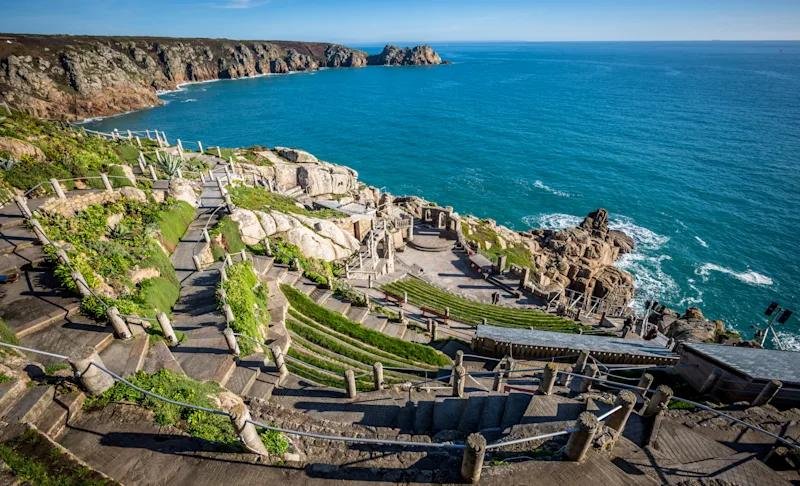
Minack Theatre
An open-air theatre carved into coastal cliffs overlooking the Atlantic Ocean.
These attractions combine history, culture, and natural beauty in unforgettable ways.
The Mining Heritage That Shaped Cornualles
Mining played a crucial role in the development of Cornualles.
For centuries, the region was a global leader in:
- Tin production
- Copper mining
- Industrial innovation
The legacy remains visible today through preserved mining landscapes and historic engine houses.
This industrial heritage earned international recognition and contributes significantly to the region’s cultural importance.
Visitors interested in history often find the mining story among the most fascinating aspects of the county.
When Is the Best Time to Visit Cornualles?
The ideal time depends on your travel goals.
Spring
Advantages include:
- Fewer crowds
- Blooming landscapes
- Mild weather
Summer
Perfect for:
- Beach activities
- Festivals
- Water sports
Autumn
Offers:
- Scenic coastal walks
- Comfortable temperatures
- Reduced tourist numbers
Winter
Provides:
- Dramatic storm watching
- Quiet villages
- Cozy coastal retreats
Each season reveals a different side of Cornualles.
Travel Tips for First-Time Visitors
To make the most of your trip:
Book Early
Accommodation fills quickly during peak season.
Explore Beyond Popular Spots
Many hidden gems receive far fewer visitors than famous attractions.
Pack for Variable Weather
Conditions can change rapidly, even during summer.
Use Local Businesses
Supporting local restaurants, shops, and guides enhances the visitor experience and benefits communities.
These simple strategies can significantly improve your trip.
Why Cornualles Continues to Captivate Travelers
The enduring popularity of Cornualles comes from its rare combination of qualities.
Visitors enjoy:
- Spectacular scenery
- Rich history
- Authentic culture
- Outdoor adventure
- Exceptional food
- Warm hospitality
Unlike destinations that rely on a single attraction, the county offers a complete travel experience.
Whether you’re interested in history, nature, photography, food, or relaxation, there is something here for everyone.
Conclusion
Cornualles stands as one of Europe’s most compelling coastal destinations. Its dramatic landscapes, fascinating history, Celtic heritage, legendary folklore, and welcoming communities create an experience that remains memorable long after a visit ends.
What truly makes Cornualles special is its ability to offer both adventure and tranquility. You can spend the morning exploring ancient castles, the afternoon surfing Atlantic waves, and the evening enjoying fresh seafood in a charming harbor village.
For travelers seeking authentic culture, natural beauty, and unforgettable experiences, Cornualles continues to set the standard. It is not merely a destination—it is a place that inspires curiosity, exploration, and a lasting connection with one of England’s most remarkable regions.
FAQs About Cornualles
1. Where is Cornualles located?
Cornualles is located in the southwestern corner of England, surrounded by the Atlantic Ocean and the English Channel.
2. Why is Cornualles famous?
It is famous for its stunning coastline, beautiful beaches, Celtic heritage, surfing culture, historic landmarks, and traditional Cornish food.
3. What is the best attraction in Cornualles?
Popular attractions include St Michael’s Mount, Tintagel Castle, the Eden Project, and the Minack Theatre. The best choice depends on individual interests.
4. Is Cornualles suitable for family vacations?
Yes. Families can enjoy beaches, wildlife, outdoor activities, historical sites, and family-friendly attractions throughout the region.
5. How many days should I spend in Cornualles?
A minimum of 4–7 days is recommended to explore the major attractions, beaches, villages, and scenic coastal areas without feeling rushed.
