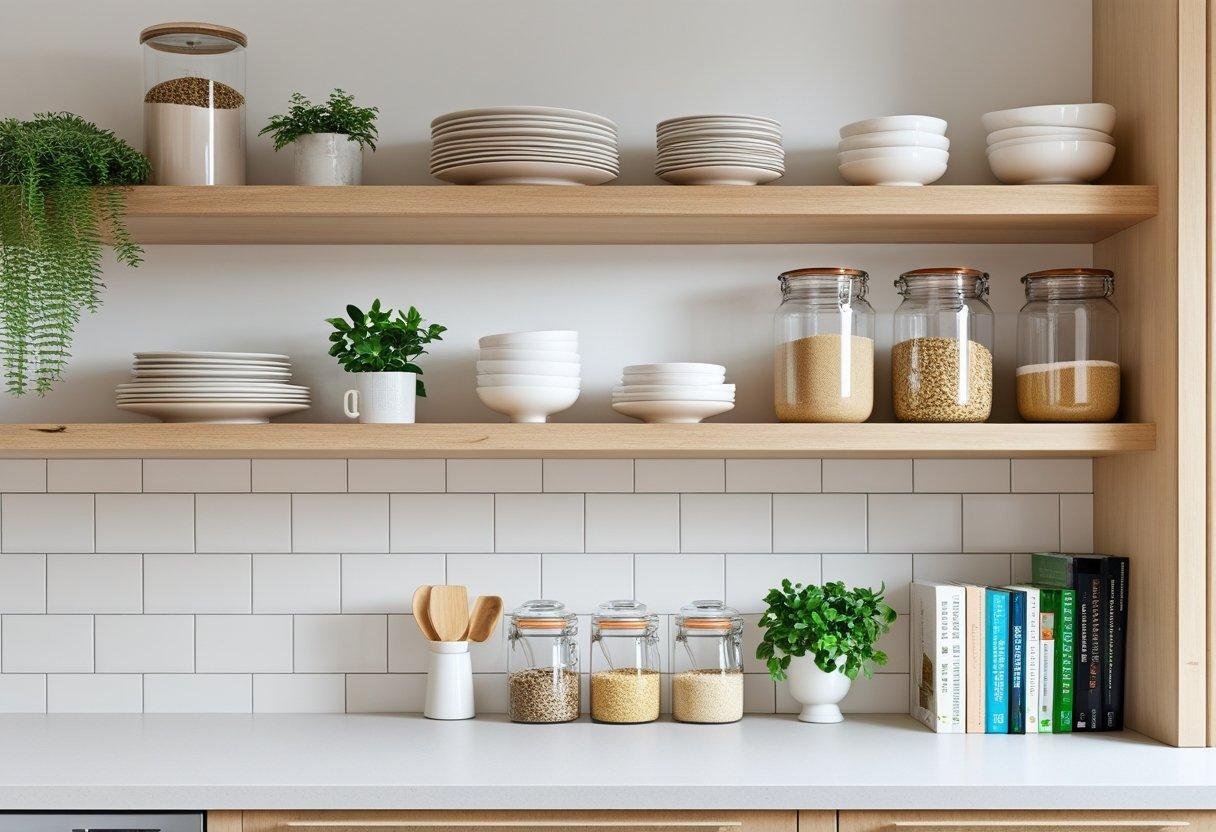
Trallehylde: Meaning, Design, Uses, Materials and Buying Guide
The primary search intent for Trallehylde is informational with a secondary commercial investigation intent. People searching this keyword are likely looking to understand its meaning, discover what this type of shelving looks like, explore its uses, and learn what to consider before purchasing one.
The article focuses on the Danish wooden shelving interpretation, while clarifying that individual product designs can differ. This avoids confusing a wall-mounted wooden shelf with a mobile storage trolley.
What Is a Trallehylde?
A Trallehylde is a Danish-style wooden shelf made from, or inspired by, traditional slatted timber platforms. It combines the practical purpose of everyday storage with the natural appearance of wood.
The term comes from two Danish words:
-
Tralle: A narrow wooden platform made from connected battens or slats.
-
Hylde: A shelf or horizontal surface used for storing items.
According to Den Danske Ordbog, a tralle is a long, narrow structure formed by connecting wooden battens into a grid. Traditionally, these structures were used as flooring on scaffolding. The word hylde describes a horizontal surface used for storage.
Den Danske Ordbog+1
When adapted for furniture, this construction creates an interesting shelving design. Some versions retain the rough appearance of construction timber, while others use carefully finished oak or other types of wood.
A Trallehylde can be used to display books, plants, photographs, kitchen accessories, decorative objects, and everyday essentials.
It is not one standardized furniture model. Its dimensions, materials, finish, mounting system, and overall appearance depend on the manufacturer.
The Origins and Scandinavian Design Influence
The idea behind Trallehylde connects traditional woodworking with practical home furnishing.
Wooden traller were originally functional structures rather than decorative furniture. Their connected wooden pieces created a stable platform for construction workers. Over time, similar materials became useful for making benches and other furniture.
The modern shelving interpretation takes inspiration from this straightforward construction.
From Construction Materials to Home Furniture
Reclaimed timber has a distinctive appearance because it may retain marks from its previous use. Nail holes, grain variations, small imperfections, and changes in colour can give each piece an individual character.
Rather than hiding every mark, rustic furniture designs sometimes preserve these features.
A shelf made from reclaimed wood can therefore offer something different from mass-produced furniture with identical finishes.
However, not every Trallehylde uses recycled scaffolding timber. Some manufacturers use newly processed oak or other wood species to achieve a similar appearance.
Scandinavian Interior Design Connection
Scandinavian interiors are commonly associated with practical furniture, natural materials, clean lines, and thoughtful use of space.
A wooden shelf can complement these principles without becoming the main attraction in a room.
For example, a light oak shelf against a white wall can provide a warm contrast while maintaining a simple appearance. A darker timber design with metal brackets may suit an industrial-inspired interior.
The important consideration is how the shelf works with the surrounding furniture, colours, lighting, and available space.
Main Features of a Trallehylde
Although designs vary, several features are commonly associated with this type of wooden shelving.
1. Natural Wooden Construction
Wood is an important part of the design. Oak, pine, spruce, and reclaimed timber are possible material choices.
Each material has different characteristics:
-
Oak offers a distinctive grain and a substantial appearance.
-
Pine is generally lighter and often more affordable.
-
Spruce provides a relatively light, natural appearance.
-
Reclaimed timber may feature weathering and marks from previous use.
The actual material should always be confirmed through the product specifications.
2. Simple and Functional Appearance
A Trallehylde does not need complicated decoration to look attractive.
Its appearance may come from the wood grain, visible slats, natural colour, and straightforward construction.
This makes it suitable for homes where furniture needs to look interesting without occupying too much visual attention.
3. Different Mounting Options
Depending on the design, wooden shelving can use several mounting arrangements.
Common options include:
-
Traditional metal brackets
-
Hidden floating shelf supports
-
Wooden wall supports
-
Decorative leather straps
-
Custom-made mounting hardware
Each option has different installation requirements. The wall type and expected load should determine which fixing system is appropriate.
4. Multiple Sizes and Finishes
A Trallehylde can be designed as a small decorative shelf or a longer storage surface.
Finishes may include natural oil, wax, clear lacquer, painted surfaces, or untreated wood.
For example, Toka Design offers an oak Trallehylde with black spacers, optional finishes, and additional accessories. This provides a real example of how the term is used in Danish retail.
Tokadesign
Different Types of Trallehylde
Choosing the right design depends on the room, available space, and intended purpose.
1. Reclaimed Wooden Trallehylde
This style uses previously employed timber or wood designed to look weathered.
Its main attraction is its natural character. Visible grain, small imperfections, and variations in colour can make it suitable for rustic, farmhouse, and industrial interiors.
It works particularly well in living rooms, home offices, and hallways.
2. Modern Oak Trallehylde
Oak shelving provides a more refined appearance.
Its natural colour can complement neutral walls, wooden floors, and minimalist furniture. Depending on the design, black spacers or metal supports can create a contrasting detail.
This option is suitable for contemporary homes and Scandinavian-inspired rooms.
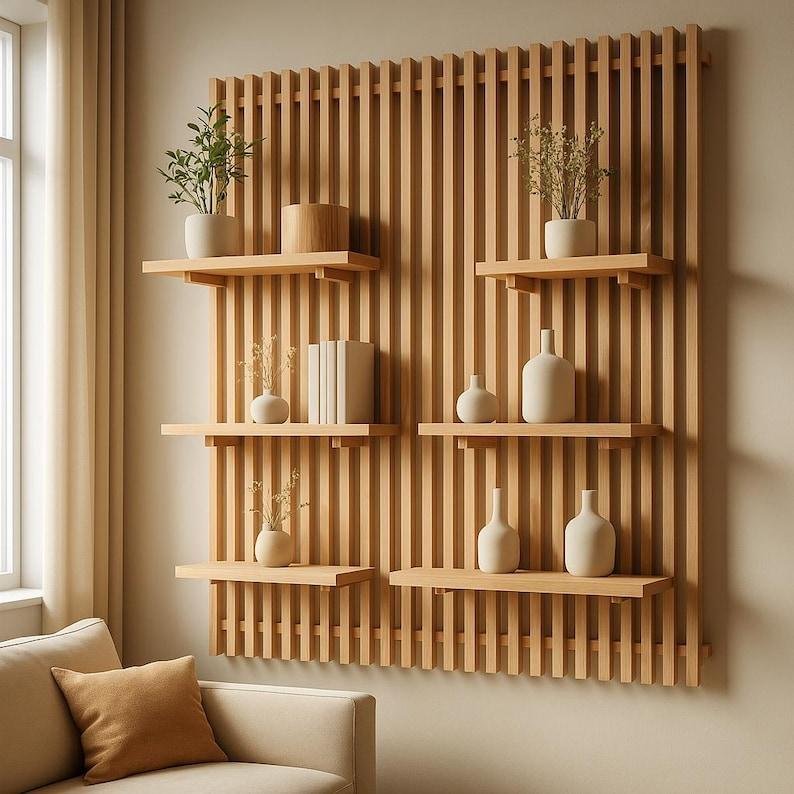
3. Slatted Wooden Shelf
A slatted shelf uses multiple wooden pieces arranged with small spaces between them.
This construction creates a different visual texture from a traditional solid wooden board. However, the gaps may affect what can safely be stored on the surface.
Small objects may require baskets or containers to prevent them from falling through.
4. Industrial-Style Wooden Shelf
This design combines timber with metal supports.
Black steel brackets, dark finishes, and visible hardware can create an industrial appearance.
It is particularly suitable for offices, kitchens, workshops, and living spaces with exposed brick or darker furniture.
Benefits of Using a Trallehylde
A well-designed wooden shelf can provide several practical and decorative advantages.
Makes Better Use of Wall Space
Wall-mounted shelving creates storage without requiring additional floor space.
This can be particularly useful in smaller homes, apartments, and rooms where large cabinets would make movement difficult.
A shelf above a desk, for example, can keep books and stationery organised while leaving the working surface clear.
Adds Natural Character to Interiors
Wood introduces texture and warmth into a room.
A Trallehylde can soften the appearance of spaces dominated by painted walls, glass, metal, or other smooth materials.
The effect depends on the timber colour and overall design.
Supports Flexible Storage
A suitable shelf can accommodate different household objects, including:
-
Books and magazines
-
Small indoor plants
-
Picture frames
-
Decorative containers
-
Kitchen jars
-
Collectible items
-
Office accessories
The shelf’s depth and weight capacity should match the items being stored.
Can Support Material Reuse
Choosing a product made from reclaimed timber can extend the useful life of existing materials.
However, sustainability depends on where the timber comes from, how it is processed, and the manufacturing methods involved.
Buyers should look for transparent information about the wood’s origin rather than assuming every rustic-looking shelf is recycled.
Where Can You Use a Trallehylde?
One advantage of wooden shelving is that it can serve different purposes in different rooms.
Living Room
A living room shelf can display photographs, small plants, books, and decorative accessories.
Positioning it above a sofa or beside a media unit can create additional display space.
Avoid overcrowding the shelf. Leaving some empty space helps individual objects remain visible.
Kitchen
In a kitchen, a wooden shelf can hold lightweight containers, cookbooks, cups, and frequently used accessories.
A suitable protective finish is important because kitchens experience steam, moisture, and occasional splashes.
Keep wooden shelving away from direct heat and follow the manufacturer’s care recommendations.
Bedroom
A bedroom shelf can provide a practical alternative to a small bedside cabinet.
It may hold a book, alarm clock, small decorative object, or other lightweight essentials.
Choose a position that does not interfere with movement around the bed.
Home Office
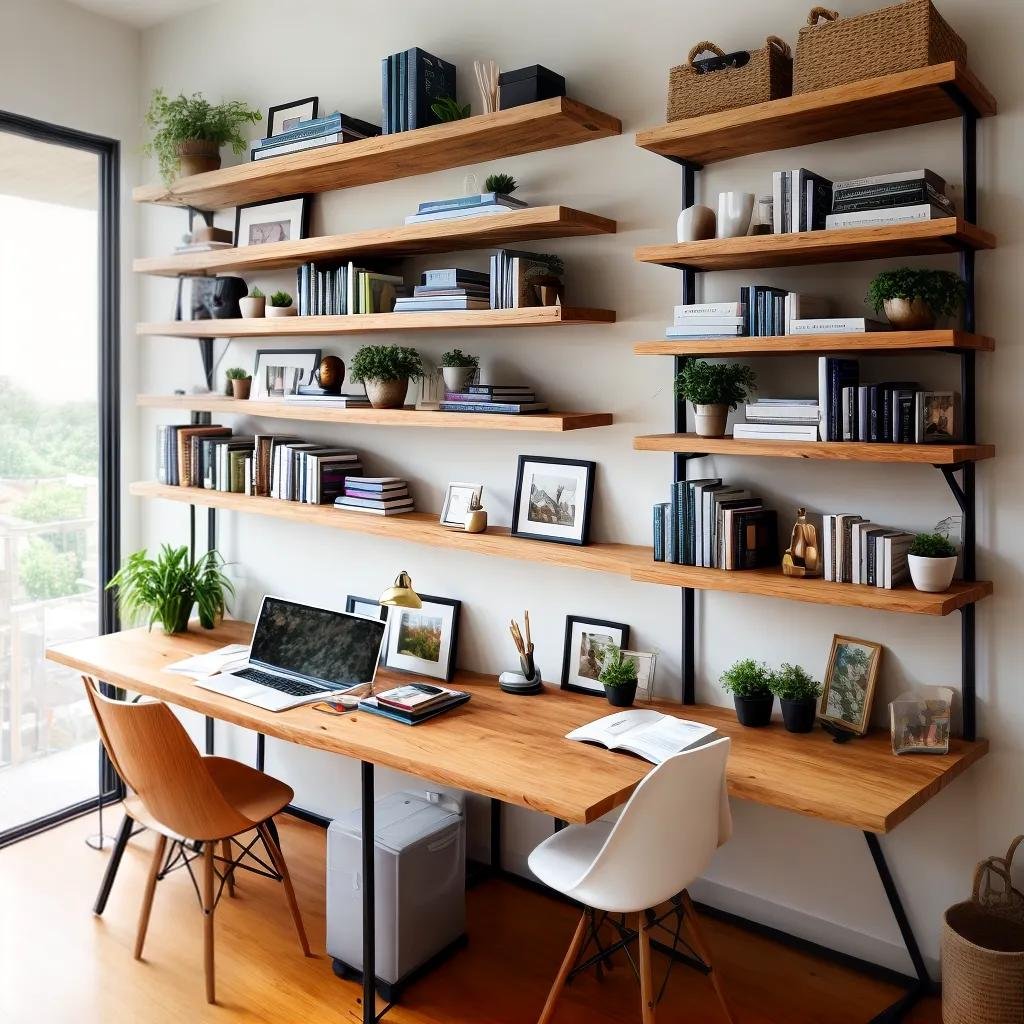
A wooden shelf above a desk can help organise reference books, notebooks, and office supplies.
It can also keep frequently used materials within reach without taking up valuable desk space.
Hallway and Entrance
In an entrance area, a compact shelf can hold small decorative items, keys in a suitable container, or lightweight everyday accessories.
Make sure the shelf does not obstruct doors or narrow walking routes.
How to Choose the Right Trallehylde
Before purchasing a wooden shelf, consider more than its appearance.
1. Measure the Available Space
Measure the wall carefully before selecting a product.
Check:
-
Available width
-
Required shelf depth
-
Distance from nearby furniture
-
Height above the floor
-
Clearance around doors and windows
A shelf that looks attractive online may be too large for the intended location.
2. Select Suitable Wood
Your choice of wood affects appearance, durability, maintenance, and price.
For a refined interior, oak may be a good option. For a lighter rustic appearance, pine or reclaimed timber may be more suitable.
Ask the seller whether the material is solid wood, veneer, or a manufactured wood product.
3. Check the Weight Capacity
This is one of the most important buying considerations.
A shelf’s safe load depends on:
-
Timber strength and thickness
-
Shelf dimensions
-
Bracket design
-
Number of mounting points
-
Wall construction
-
Quality of screws and anchors
Never assume that a thick wooden shelf can automatically support heavy objects.
4. Choose the Right Finish
Different finishes provide different levels of surface protection.
| Finish | Main characteristic |
|---|---|
| Natural oil | Enhances the wood grain |
| Wax | Creates a soft surface appearance |
| Clear lacquer | Provides a protective coating |
| Paint | Changes the shelf’s colour |
| Untreated wood | Retains a natural unfinished appearance |
Consider the room’s moisture levels and expected everyday use.
5. Compare Construction Quality
Look closely at the joints, edges, brackets, and overall finish.
A good product should have consistent construction and clearly described installation requirements.
If possible, request close-up photographs and product measurements before purchasing.
Trallehylde vs. Traditional Wooden Shelves
A Trallehylde and a conventional wooden shelf can perform the same basic storage function, but their appearance and construction may differ.
| Feature | Trallehylde | Traditional wooden shelf |
|---|---|---|
| Design | Slatted or rustic-inspired | Usually simple and solid |
| Materials | Reclaimed or new timber | Solid wood or engineered wood |
| Appearance | Natural, textured | Minimal or decorative |
| Construction | May feature visible slats | Often a single board |
| Style | Rustic, Scandinavian, industrial | Traditional or modern |
| Customisation | Depends on the maker | Widely available |
Neither option is automatically better. A conventional shelf may be more practical for small objects, while a slatted wooden design may offer a more distinctive appearance.
The right choice depends on your storage needs and preferred interior style.
How to Install a Trallehylde Safely
Installing a wall-mounted wooden shelf requires suitable tools and appropriate wall fixings.
Tools and Materials
Depending on the shelf design, you may need:
-
Measuring tape
-
Pencil
-
Spirit level
-
Electric drill
-
Suitable drill bits
-
Screws and wall anchors
-
Mounting brackets
-
Screwdriver
Step-by-Step Installation
Step 1: Select the Location
Choose a wall with enough space for the shelf and the objects you plan to store.
Check for concealed electrical cables and plumbing before drilling.
Step 2: Measure and Mark
Measure the shelf and identify the mounting points.
Use a spirit level to mark a straight horizontal line. Accurate measurements help prevent uneven installation.
Step 3: Check the Wall Material
Different walls require different fixing systems.
Brick and concrete walls generally require suitable masonry fixings. Plasterboard walls may need specialist anchors or attachment to structural studs.
Do not assume that ordinary screws will provide sufficient support.
Step 4: Attach the Brackets
Install the brackets according to the manufacturer’s instructions.
Make sure the mounting hardware is appropriate for the shelf’s weight and intended load.
Step 5: Position the Shelf
Place the wooden shelf on its supports and secure it using the supplied hardware.
Check that it is level and stable before adding anything.
Step 6: Test the Installation
Follow the manufacturer’s instructions for checking the installation. Add items gradually and stay within the stated load limit.
If you are unsure about the wall structure or fixing requirements, ask a qualified installer for assistance.
How to Maintain and Clean a Wooden Trallehylde
Regular care can help preserve the appearance and condition of a wooden shelf.
Regular Dusting
Use a soft, dry cloth to remove dust.
Avoid abrasive cleaning materials that could scratch the surface or damage the finish.
Clean Spills Quickly
If liquid spills onto the shelf, wipe it away promptly.
Prolonged moisture exposure can affect wood, especially untreated or poorly protected surfaces.
Protect the Finish
Different wood finishes require different maintenance methods.
-
Oiled wood may need occasional re-oiling.
-
Waxed surfaces may require suitable wax maintenance.
-
Lacquered shelves generally need gentle cleaning.
-
Painted shelves should be cleaned with products compatible with the coating.
Always follow the manufacturer’s recommendations.
Inspect Mounting Hardware
Periodically check brackets, screws, and other fixing components.
If the shelf begins moving, sagging, or pulling away from the wall, remove its contents and investigate the problem before using it again.
Common Mistakes to Avoid When Buying a Trallehylde
A few purchasing mistakes can turn an attractive furniture choice into an inconvenient one.
Choosing appearance over function: A beautiful shelf may not have enough depth or load capacity for your belongings.
Ignoring measurements: Always measure the available wall area before ordering.
Assuming reclaimed wood is automatically durable: Previous use, moisture damage, cracks, and poor repairs can affect timber quality.
Overlooking mounting hardware: Check whether brackets and fixings are included or need to be purchased separately.
Using unsuitable finishes: Untreated wood may not be appropriate for areas exposed to frequent moisture.
Overloading the shelf: Distribute weight according to the manufacturer’s instructions and avoid placing heavy objects on unsupported sections.
Is a Trallehylde Worth Buying?
A Trallehylde can be a worthwhile addition to a home if you appreciate natural wood, practical storage, and understated furniture design.
It is particularly appealing to people who want to use wall space more effectively without introducing a large storage unit.
The best designs balance appearance with construction quality. A properly finished wooden shelf, suitable brackets, accurate measurements, and secure installation are more important than decorative details alone.
For buyers who prefer Scandinavian-inspired interiors, this style offers an opportunity to combine useful storage with natural materials.
Frequently Asked Questions About Trallehylde
1. What does Trallehylde mean in English?
Trallehylde is a Danish compound word associated with wooden shelving. Tralle refers to a slatted platform, while hylde means shelf. In furniture contexts, it describes a shelf made from or inspired by this type of wooden construction.
2. Is Trallehylde a Danish furniture brand?
No single brand defines the term. It is used descriptively for shelving products, although individual retailers may use it as a product name.
3. What materials are used to make a Trallehylde?
Common possibilities include oak, pine, spruce, reclaimed timber, and metal mounting components. The actual materials depend on the manufacturer and product design.
4. Is every Trallehylde made from reclaimed wood?
No. Some products use reclaimed timber, while others are manufactured from new wood. Check the product description to confirm the material’s origin.
5. Can a Trallehylde be used in a small apartment?
Yes. A wall-mounted design can provide additional storage without occupying floor space. Compact dimensions are especially useful in bedrooms, hallways, and small home offices.
6. Is a Trallehylde suitable for a kitchen?
Yes, provided the shelf has a suitable finish and is installed away from excessive heat and moisture. It can hold lightweight jars, cookbooks, and kitchen accessories.
7. How much weight can a Trallehylde support?
There is no universal weight limit. Capacity depends on the timber, dimensions, brackets, wall material, and installation method. Always follow the manufacturer’s stated load capacity.
8. How do you clean a Trallehylde?
Use a soft cloth to remove dust and wipe occasional marks with a lightly damp cloth if the finish allows it. Dry the surface promptly and avoid harsh cleaning chemicals.
9. Can I make a Trallehylde myself?
Yes. A basic wooden shelf can be made using suitable timber, woodworking tools, and appropriate mounting hardware. Measure carefully, inspect reclaimed timber for damage, and ensure that the final installation is secure.
10. What is the difference between Trallehylde and a floating shelf?
A floating shelf is a mounting style in which the supporting hardware is concealed. A Trallehylde describes a Danish shelving concept associated with slatted wooden construction. A Trallehylde can also be designed as a floating shelf if its construction and mounting system allow it.
11. Does a Trallehylde suit modern interiors?
Yes. Oak, light-coloured timber, and simple mounting systems can complement minimalist and contemporary interiors. Darker finishes can also work in industrial-style spaces.
12. Where should I place a Trallehylde?
Suitable locations include living rooms, kitchens, bedrooms, hallways, and home offices. Choose a position that offers convenient access and allows the shelf to be mounted securely.
Conclusion
A Trallehylde brings together the natural appeal of wooden materials and the practical benefits of everyday shelving. Its Danish design influence, simple construction, and adaptable appearance make it an interesting option for different interior styles.
Whether you prefer reclaimed timber, modern oak, or a slatted wooden design, the right shelf should match your available space and storage requirements.
Before purchasing, compare the materials, measurements, finish, mounting hardware, and weight capacity. With careful selection and proper installation, a Trallehylde can provide useful storage while adding natural character to your home.
Looking for a practical way to improve your interior? Explore different wooden shelf designs, compare their construction, and choose a Trallehylde that combines functionality with your preferred style.





One Comment