


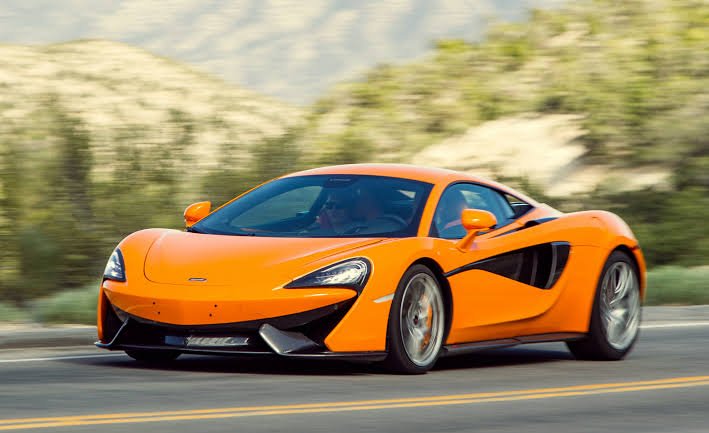
Choosing the best McLaren car depends on what you value most: breathtaking acceleration, Formula 1-inspired engineering, everyday comfort, or the excitement of driving a genuine supercar. McLaren has built its reputation around lightweight construction, aerodynamic efficiency, responsive handling, and powerful engines, creating vehicles that feel as focused on the road as the company’s racing cars are on the track.
Some McLaren models prioritize outright performance, while others combine supercar speed with a more approachable driving experience. The McLaren 750S, Artura, 765LT, and legendary P1 each offer a different interpretation of the brand’s philosophy. Understanding those differences makes it easier to identify the right car for your budget, driving style, and ownership expectations.
This guide examines the strongest contenders, explains what makes each model distinctive, and explores the practical details worth considering before buying a McLaren.
What Is the Best McLaren Car Overall?
For drivers seeking a modern McLaren that balances extreme performance, advanced engineering, and road usability, the McLaren 750S is one of the strongest overall choices. It builds on the successful 720S formula with revised aerodynamics, increased power, updated suspension tuning, and improved driver-focused technology.
However, there is no universal winner. The Artura is an appealing option for buyers interested in hybrid performance, the 765LT is better suited to enthusiasts who prioritize track capability, and the McLaren P1 remains a landmark choice for collectors seeking a hybrid hypercar with exceptional historical significance.
The right decision depends on how the vehicle will actually be used.
Best McLaren Cars at a Glance
| McLaren model | Best suited for | Key appeal |
|---|---|---|
| McLaren 750S | Best overall supercar | Exceptional balance of speed and handling |
| McLaren Artura | Modern hybrid performance | Twin-turbo V6 and electric motor |
| McLaren 765LT | Track-focused enthusiasts | Lightweight construction and sharper dynamics |
| McLaren 720S | Used-supercar buyers | Outstanding performance and distinctive design |
| McLaren P1 | Collectors | Groundbreaking hybrid hypercar technology |
| McLaren GT | Long-distance driving | More luggage capacity and grand-touring comfort |
| McLaren Senna | Dedicated track drivers | Extreme aerodynamic downforce and precision |
Specifications, availability, and equipment vary by model year, market, and vehicle configuration. Some models are no longer produced, so buyers may need to look at the used or collector market.
1. McLaren 750S: The Best McLaren Car for Most Supercar Enthusiasts
The McLaren 750S stands out as a compelling choice for drivers who want a highly capable supercar without moving into the more specialized territory of limited-production track cars. Available as a coupe or Spider, it combines a powerful twin-turbocharged V8 with a lightweight structure and suspension designed to deliver precise feedback.
Its appeal is not limited to straight-line acceleration. The 750S is engineered to respond quickly to steering inputs, remain composed through corners, and provide the driver with a strong sense of connection to the road.
<INSERT IMAGE: McLaren 750S exterior, preferably a three-quarter front view>
McLaren 750S Performance and Specifications
The 750S uses a 4.0-liter twin-turbocharged V8 engine that produces approximately 750 metric horsepower, equivalent to around 740 mechanical horsepower, and 800 Nm of torque.
Key published performance figures include:
- Engine: 4.0-liter twin-turbocharged V8
- Power: Approximately 750 PS
- Torque: 800 Nm
- Transmission: Seven-speed dual-clutch automatic
- Drivetrain: Rear-wheel drive
- 0–100 km/h: Approximately 2.8 seconds
- Top speed: Approximately 332 km/h for the coupe
Figures can differ slightly by specification and measurement method. The Spider offers open-top driving while retaining the core performance character of the coupe.
Why the 750S Is Such a Strong All-Rounder
The 750S benefits from a sophisticated suspension system, carbon-fiber structural components, and aerodynamic design that help it deliver both agility and stability. Its relatively low weight compared with many high-powered competitors contributes to responsive braking, quick direction changes, and a more engaging driving experience.
Another important advantage is versatility. Although it is unmistakably a supercar, the 750S is not exclusively designed for circuit use. Its suspension technology and selectable driving modes allow the driver to adapt the car to different road conditions.
Who should buy it? Choose the 750S if you want a modern McLaren with extraordinary performance, sharp handling, and enough flexibility to enjoy it beyond occasional track sessions.
2. McLaren Artura: The Best McLaren Car for Hybrid Technology
The McLaren Artura represents a different direction for the brand. Rather than relying exclusively on a conventional V8 engine, it combines a twin-turbocharged V6 with an electric motor and a high-voltage battery.
This plug-in hybrid arrangement is designed to deliver immediate electric assistance, strong acceleration, and the option of short-distance electric driving under suitable conditions. It also introduces a different ownership experience from traditional McLaren V8 models.
<INSERT IMAGE: McLaren Artura hybrid supercar in profile>
Artura Engine and Performance
The Artura uses a 3.0-liter twin-turbocharged V6 paired with an electric motor. Early model specifications list combined output of approximately 680 PS, while later updates and market-specific versions may differ.
Notable characteristics include:
- A compact V6 engine designed for high-performance applications.
- An electric motor that helps deliver immediate torque.
- A dual-clutch transmission designed for rapid gear changes.
- A carbon-fiber chassis developed for low weight and structural rigidity.
- An electric-driving mode for suitable short journeys.
The electric range depends on the model year, battery condition, temperature, driving style, and local testing standard. Buyers should check the official specifications for the exact vehicle rather than relying on a single universal range figure.
Is the Artura Better Than a V8 McLaren?
Not necessarily. The Artura offers a modern blend of combustion and electric power, but drivers who prefer the sound and character of a large-capacity V8 may find the 750S or 720S more appealing.
The hybrid system also introduces additional components that deserve attention during a used-car inspection. Battery condition, charging equipment, software updates, and the history of hybrid-system maintenance are important considerations.
Who should buy it? The Artura makes sense for someone who values modern powertrain technology, rapid acceleration, and the possibility of electric-only driving for short trips.
3. McLaren 765LT: The Best McLaren Car for Track Enthusiasts
The McLaren 765LT takes the performance-oriented approach of the 720S and pushes it further. The LT designation stands for Longtail, a name associated with McLaren models developed around reduced weight, increased aerodynamic performance, and a more focused driving experience.
It is not simply a more powerful version of a road-going supercar. Its engineering choices emphasize driver involvement and track performance, sometimes at the expense of comfort and convenience.
<INSERT IMAGE: McLaren 765LT on a race circuit>
What Makes the 765LT Special?
The 765LT uses a 4.0-liter twin-turbocharged V8 producing approximately 765 PS and 800 Nm of torque. It pairs that output with rear-wheel drive, a seven-speed dual-clutch transmission, extensive weight-saving measures, and aerodynamic components designed to improve performance at speed.
Its key attractions include:
- High power output: Strong acceleration across a wide speed range.
- Reduced weight: Lightweight components support agility and responsiveness.
- Track-focused aerodynamics: A redesigned body and active aerodynamic elements help manage airflow.
- Sharper driving character: Suspension and powertrain calibration emphasize precision.
- Limited production: The 765LT coupe was produced in limited numbers, contributing to its appeal among enthusiasts.
The 765LT can accelerate from 0 to 100 km/h in approximately 2.8 seconds, depending on conditions and measurement methodology.
What Are the Trade-Offs?
The 765LT is more specialized than the 750S. Its firm setup, aggressive tires, lower ride height, and reduced emphasis on comfort can make ordinary roads less enjoyable, particularly where pavement quality is poor.
Replacement tires, brakes, and other performance components may also be expensive. A buyer should inspect the car for track use, accident damage, suspension wear, and evidence of modifications.
Who should buy it? The 765LT is ideal for an experienced enthusiast who values precision, rarity, and track-day capability more than everyday comfort.
4. McLaren 720S: The Best McLaren Car on the Used Market
The McLaren 720S helped establish a new performance benchmark when it launched. Even though newer models have taken its place in the lineup, it remains an attractive option for buyers looking for exceptional speed and sophisticated engineering in a pre-owned supercar.
Its design is distinctive, with large sculpted air channels, narrow headlights, and a body shaped to manage airflow efficiently. The cabin is relatively focused, while the car’s compact proportions and strong visibility for its class help make it feel less intimidating than some rivals.
McLaren 720S Specifications
The 720S features a 4.0-liter twin-turbocharged V8 producing 720 PS and 770 Nm of torque.
Its commonly published specifications include:
- 0–100 km/h: Approximately 2.9 seconds.
- Top speed: Approximately 341 km/h.
- Transmission: Seven-speed dual-clutch automatic.
- Drivetrain: Rear-wheel drive.
- Body styles: Coupe and Spider.
These figures place the 720S firmly in supercar territory, even by modern standards.
Is a Used 720S Worth Buying?
It can be, provided the specific vehicle has a strong maintenance history and passes a specialist inspection. A well-maintained example may deliver extraordinary performance without requiring the purchase price associated with a newer model.
Before buying, review service records, tire age, brake condition, suspension operation, electronic fault history, and any previous collision repairs. A pre-purchase inspection by a workshop familiar with McLaren vehicles is particularly valuable.
Who should buy it? Consider the 720S if you want supercar-level performance and distinctive styling but prefer to explore the used market rather than purchase the latest model.
5. McLaren P1: The Best McLaren Car for Hypercar Collectors
The McLaren P1 is one of the most important road cars in the company’s history. Introduced in the early 2010s, it combined a twin-turbocharged V8 with an electric motor to create a high-performance hybrid system long before electrification became a major theme across the wider supercar industry.
The P1 was produced in limited numbers, with just 375 road-going examples built. That exclusivity, combined with its technology and performance, has made it a significant collector vehicle.
<INSERT IMAGE: McLaren P1 hybrid hypercar>
P1 Powertrain and Engineering
The P1 uses a 3.8-liter twin-turbocharged V8 combined with an electric motor. Its combined system output is approximately 916 PS, with the electric system contributing immediate torque and additional performance.
Its engineering highlights include:
- A carbon-fiber MonoCage structure.
- Hybrid power delivery combining petrol and electric propulsion.
- Active aerodynamics, including an adjustable rear wing.
- A lightweight design developed around performance.
- A limited-production run that gives the car historical significance.
The P1 also helped demonstrate that hybrid technology could improve performance rather than serving only as a fuel-saving measure.
Why Collectors Still Value the P1
The P1 belongs to a celebrated generation of hybrid hypercars that changed expectations about power, efficiency, and acceleration. Its rarity and technological importance distinguish it from ordinary high-performance vehicles.
However, ownership is complex. Buyers should expect specialist servicing, careful battery-system assessment, and potentially substantial costs for parts and repairs. Original documentation, maintenance records, provenance, and factory specification can have a major influence on a particular car’s desirability.
Who should buy it? The P1 is best suited to experienced collectors with the budget and support network needed to maintain a rare hybrid hypercar.
6. McLaren GT: The Best McLaren Car for Long-Distance Driving
The McLaren GT was designed for a different kind of buyer. Instead of prioritizing track performance above everything else, it combines strong acceleration with a more touring-oriented approach to comfort and luggage space.
Its cabin and storage arrangements make it more practical for longer trips than many conventional mid-engined supercars. The rear luggage area and front storage compartment are particularly useful, although the available space and permitted luggage weight depend on the vehicle’s configuration.
What Makes the McLaren GT Different?
The GT uses a twin-turbocharged V8 and a rear-wheel-drive layout. Its suspension and overall setup are intended to make longer journeys more comfortable while preserving the responsive driving character associated with McLaren.
Its main advantages include:
- A more touring-focused ride and driving position.
- Better luggage flexibility than many track-oriented supercars.
- Powerful acceleration for highway overtaking.
- Distinctive styling without the extreme appearance of some limited-run models.
- A cabin suited to drivers who want to use their car more frequently.
The GT should not be confused with a traditional luxury grand tourer that prioritizes plush isolation above handling. It remains a performance car with the compromises that come with a low seating position and limited ground clearance.
Who should buy it? Choose the GT if you want a McLaren for weekend escapes, longer drives, and occasional everyday use rather than a car intended mainly for track sessions.
7. McLaren Senna: The Best McLaren Car for Extreme Circuit Performance
Named after Formula 1 legend Ayrton Senna, the McLaren Senna was developed with a clear priority: deliver exceptional circuit performance. Its shape is dominated by large aerodynamic surfaces, aggressive cooling openings, and a prominent rear wing.
The Senna uses a 4.0-liter twin-turbocharged V8 producing approximately 800 PS and 800 Nm of torque. Its combination of low weight, powerful braking, and aerodynamic downforce makes it one of the most specialized road-legal McLaren models.
Why the Senna Is Not for Everyone
The Senna is an extraordinary machine, but its priorities are different from those of a comfortable road car. Its cabin, ride, noise levels, and outward visibility should all be considered in the context of how and where the vehicle will be driven.
Its limited production and racing-inspired character also mean that the purchase price is only part of the ownership equation. Insurance, specialist maintenance, consumables, secure storage, and the car’s provenance can all influence the total cost.
Who should buy it? The Senna is aimed at collectors and serious drivers who want an uncompromising, track-focused experience and understand the practical compromises involved.
How to Choose the Best McLaren Car for Your Needs
A useful way to compare McLaren models is to start with your intended use rather than the highest horsepower figure. A car that looks perfect on paper may be a poor match for your roads, storage arrangements, or willingness to maintain a specialist vehicle.
For Everyday Road Driving
The 750S and Artura are strong starting points. Both offer modern performance, but the Artura brings hybrid technology while the 750S delivers a traditional V8 experience.
A used 720S can also make sense if you find a well-documented example and want to manage the purchase price more carefully.
For Track Days
The 765LT and Senna are the more specialized options. Their performance-focused engineering rewards skilled drivers, but running costs and comfort compromises should be taken seriously.
If you are new to high-performance driving, professional instruction and suitable safety equipment are more valuable than chasing the most powerful model.
For Collecting
The P1 is the standout choice among these cars for historical significance and limited production. The 765LT and Senna may also appeal to collectors, depending on specification, condition, mileage, and market demand.
No model guarantees appreciation. Collectible-car prices can change significantly, and maintenance expenses can reduce any potential financial return.
For Long Trips
The McLaren GT is the natural candidate because of its touring-focused design and luggage flexibility. The 750S may also suit road trips for drivers who are comfortable with its low seating position and limited storage.
For a First McLaren
A well-maintained 720S, Artura, or 750S may be worth investigating. The best choice depends on local servicing support, the availability of suitable examples, and the owner’s experience with powerful rear-wheel-drive vehicles.
Do not choose solely by badge or headline performance. Buy the individual car with the strongest history and the clearest evidence of proper care.
McLaren vs. Ferrari vs. Lamborghini: Which Brand Is Best?
McLaren, Ferrari, and Lamborghini all produce high-performance sports cars, but their strengths are not identical. Individual models differ substantially, so brand-level comparisons should be treated as general tendencies rather than universal rules.
| Comparison | McLaren | Ferrari | Lamborghini |
|---|---|---|---|
| Common engineering emphasis | Lightweight construction and handling precision | Performance, engine character, and racing heritage | Dramatic styling and powerful performance |
| Driving experience | Often precise and highly responsive | Varies widely by model, from balanced road cars to track-focused machines | Often theatrical, with a strong visual and emotional presence |
| Powertrain range | Turbocharged V8s and hybrid systems | Turbocharged, naturally aspirated, and hybrid systems across different models | V8 and V12 models, including hybrid powertrains |
| Best buying consideration | Specialist service support and condition | Model-specific servicing, specification, and history | Model-specific running costs, size, and usability |
The right brand is the one that best matches your preferences. If steering feedback and lightweight engineering are high priorities, McLaren deserves serious consideration. Buyers drawn to Ferrari’s particular engine character or Lamborghini’s distinctive styling should compare the exact vehicles rather than relying on reputation alone.
How Much Does the Best McLaren Car Cost?
There is no single price for the best McLaren car. New-car pricing varies by market, model year, specification, optional equipment, taxes, and whether the vehicle is still available from an authorized dealer.
Used prices can vary even more. Mileage, condition, service records, accident history, ownership history, color, optional features, and production numbers can all influence the asking price.
The P1, Senna, and limited-run LT models belong to different market segments from a standard used 720S or a more recent Artura. Their prices should not be compared without considering age, rarity, and condition.
Costs to Include in Your Budget
Before purchasing, account for more than the vehicle’s advertised price.
- Insurance: Obtain a quote for the exact model and your intended annual mileage.
- Routine servicing: Confirm service intervals and prices with a McLaren specialist.
- Tires: Performance tires can be expensive and may wear quickly under aggressive driving.
- Brakes: High-performance braking components can involve substantial replacement costs.
- Repairs: Electronic systems, suspension components, and specialized bodywork may require expert attention.
- Storage: A secure, dry parking space can help protect the vehicle.
- Taxes and import duties: These can materially change the final cost in your country.
For buyers in Pakistan or other markets where McLaren vehicles are imported, local availability of specialist technicians, parts, and diagnostic equipment deserves particular attention. Confirm the complete landed cost and after-sales support before paying a deposit.
What to Check Before Buying a Used McLaren
A specialist inspection is one of the most important steps in purchasing a McLaren. High performance and complex engineering make a thorough evaluation especially valuable.
Use this checklist before committing to a vehicle:
- Verify the vehicle’s identity. Match the VIN, registration documents, ownership records, and available service history.
- Review maintenance records. Look for evidence of scheduled servicing and repairs completed by qualified workshops.
- Inspect the carbon-fiber structure. Ask a specialist to check for damage, poor repairs, and evidence of previous accidents.
- Test the transmission. Check for abnormal behavior, warning messages, and irregular engagement.
- Evaluate the suspension. Confirm that the vehicle’s suspension systems operate correctly and that there are no unusual noises or leaks.
- Check tires and brakes. Review wear, age, condition, and suitability for the car’s specification.
- Test the electronics. Verify the operation of cameras, infotainment, driving modes, sensors, and warning systems.
- Assess the powertrain. Have a qualified technician inspect the engine, cooling system, and any hybrid components.
- Check for modifications. Confirm whether aftermarket tuning or hardware changes affect reliability, warranty coverage, or road legality.
- Arrange a professional road test. Drive the car in safe, legal conditions and investigate any unusual vibration, steering behavior, or warning lights.
For a hybrid model such as the Artura or P1, request an assessment of the battery and high-voltage system from a technician qualified to work on that vehicle.
A low purchase price does not necessarily mean a good deal. A properly maintained example with transparent documentation can be a better long-term choice than a cheaper car with an uncertain history.
What Makes McLaren Cars Different?
McLaren’s road-car identity is closely connected to its racing background. The company applies lessons from motorsport to areas such as aerodynamics, structural engineering, braking, and vehicle dynamics.
Several characteristics help explain the appeal of its cars.
Carbon-Fiber Construction
Carbon fiber offers a high strength-to-weight ratio and is used in McLaren’s structural engineering. Keeping weight under control can improve acceleration, braking, cornering response, and overall agility.
Aerodynamic Development
McLaren uses carefully shaped bodywork, underbody airflow management, and active aerodynamic systems on selected models. The exact design varies, but the objective is to balance drag, cooling, stability, and downforce.
Driver-Focused Handling
A McLaren’s appeal often comes from how it responds to the driver’s inputs, not simply how quickly it reaches a particular speed. Steering feel, chassis balance, suspension behavior, and braking performance contribute to the experience.
Advanced Powertrains
The range includes twin-turbocharged V8 engines and hybrid systems that combine combustion power with electric assistance. This variety means buyers can choose between different performance characteristics rather than treating every McLaren as the same type of car.
These engineering choices come with practical considerations. Lightweight construction and sophisticated technology can make certain repairs more expensive, which is why service access and vehicle history should form part of the buying decision.
Frequently Asked Questions About the Best McLaren Car
1. What is the best McLaren car in the world?
The McLaren 750S is one of the strongest all-round choices for drivers who want a modern supercar with outstanding acceleration, responsive handling, and a powerful V8 engine. However, the McLaren P1 may be more appealing to collectors, while the 765LT and Senna are better suited to enthusiasts seeking highly focused track performance.
2. Which McLaren is the fastest?
The answer depends on whether you mean top speed, acceleration, or lap-time performance. The McLaren Speedtail was engineered for exceptional high-speed performance, with a published maximum speed of 403 km/h under specified conditions. The 750S, 720S, and other models offer different combinations of acceleration, handling, and maximum speed, so the fastest choice depends on the measurement being used.
3. Is McLaren better than Ferrari?
Neither brand is universally better. McLaren is known for lightweight engineering, precise handling, and a strong connection to motorsport, while Ferrari offers its own blend of racing heritage, performance engineering, and distinctive engine character. The best choice depends on the particular models being compared, the driver’s preferences, ownership costs, and access to qualified servicing.
4. Which McLaren is best for everyday driving?
The McLaren Artura and 750S are worth considering for drivers who want modern performance with road-oriented usability. The McLaren GT is another option for people who prioritize longer journeys and luggage flexibility. A used 720S can also work well, provided it is properly maintained and the owner is comfortable with the practical compromises of a supercar.
5. How much money do you need to buy a McLaren?
The budget depends on the model, year, market, condition, and specification. A used 720S generally belongs to a different price category from a limited-production P1 or Senna, while newer models such as the 750S and Artura have their own pricing structures. Buyers should also budget for insurance, servicing, tires, repairs, taxes, and specialist maintenance rather than focusing exclusively on the purchase price.
Final Verdict: Which McLaren Should You Choose?
The best McLaren car is the one that delivers the performance you want without creating unnecessary compromises in comfort, maintenance, or cost. For many enthusiasts, the 750S is the strongest overall candidate because it combines immense power with precise handling and a road-focused character.
The Artura is an appealing choice for hybrid technology, the 765LT and Senna suit track-oriented drivers, the 720S remains worth considering on the used market, and the P1 offers a distinctive proposition for serious collectors. Drivers who prioritize touring practicality should also examine the McLaren GT.
Before making a decision, compare the exact model years, verify the vehicle’s service history, arrange a specialist inspection, and obtain insurance and maintenance estimates. If possible, test-drive your preferred models under safe and legal conditions.

1 Comment
Pingback: no avail means