


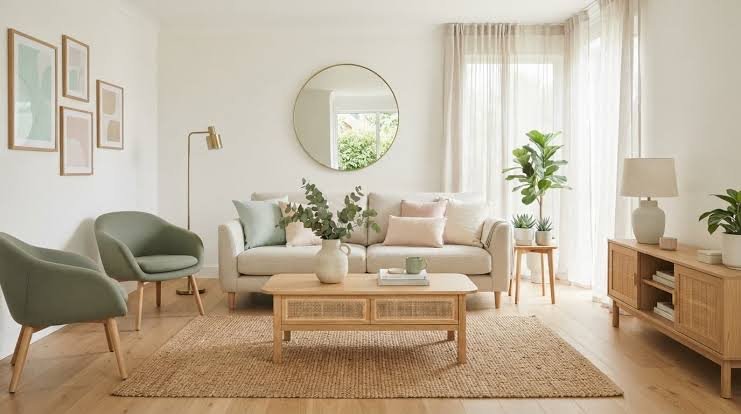
Creating a home that feels comfortable, attractive, and genuinely personal does not always require an expensive renovation. Mintpaldecor is an online home and interior design resource focused on practical ideas for decorating, improving, and organizing living spaces. Its current content covers subjects such as home décor, interior design, furniture, lighting, room improvements, color choices, storage, and practical ways to make a home more functional.
For many homeowners, the hardest part of decorating is knowing where to begin. There are countless furniture styles, paint colors, lighting options, materials, layouts, and decorative accessories available today. Without a clear plan, it is easy to spend money on items that look attractive individually but do not work well together. A useful design resource can help turn those decisions into a manageable process.
This guide explores what the website offers, how its decorating philosophy can be understood, and how readers can apply similar principles when improving their own homes.
Quick Bio
| Feature | Details |
|---|---|
| Website | Mintpaldecor |
| Main Focus | Interior design, home décor, and home improvement |
| Primary Audience | Homeowners, renters, decorators, and design enthusiasts |
| Content Style | Practical decorating ideas and home-improvement guidance |
| Key Topics | Furniture, lighting, colors, décor, room design, and organization |
| Design Approach | Combining visual appeal with comfort and functionality |
| Current Content | Includes home décor and interior-design articles |
| Main Purpose | Providing accessible ideas for creating attractive, practical spaces |
What Is Mintpaldecor?
Mintpaldecor can be viewed as a digital source of inspiration for people interested in making their homes more attractive and comfortable. The site’s stated focus is on helping readers discover creative décor ideas, interior styling suggestions, and practical design solutions. Its content is aimed at making home improvement feel more approachable rather than presenting interior design as something reserved for professional designers.
One useful aspect of this approach is its emphasis on everyday spaces. Not everyone has a large house, an unlimited budget, or the ability to completely remodel a property. A decorating idea becomes much more useful when it can be adapted to an apartment, rented property, family home, bedroom, kitchen, or small living area.
The website’s broader subject coverage also reflects the fact that interior design is not limited to furniture. A successful room depends on the relationship between layout, lighting, color, texture, storage, materials, and decorative details.
Why Mintpaldecor Is Relevant to Modern Homeowners
Home design has changed considerably as people have started expecting their living spaces to perform several functions. A living room may also serve as a workspace. A bedroom may need storage for clothing, books, and personal belongings. Kitchens increasingly need to combine cooking, storage, dining, and social activities.
Because of these changing requirements, decorating decisions need to consider more than appearance.
A beautiful chair is not necessarily the right choice if it blocks a walkway. A fashionable color may not work well in a room with limited natural light. A large decorative piece might look impressive online but overwhelm a compact apartment.
The practical side of design is therefore just as important as visual style.
Mintpaldecor’s published material reflects this broader perspective by discussing both aesthetics and functionality. Its homepage describes interior design as a combination of creativity, personal expression, and practical requirements.
Mintpaldecor and the Importance of Interior Design
Interior design is sometimes confused with decoration, although the two concepts overlap.
Interior design generally considers how a space is planned and used. Layout, circulation, furniture positioning, lighting, materials, and functionality all contribute to the design of a room.
Decoration focuses more heavily on the visual and personal elements added to a space. These can include artwork, rugs, cushions, curtains, plants, mirrors, accessories, and other decorative features.
Understanding the difference can make a home-improvement project easier.
For example, moving a sofa to improve movement through a living room is primarily a layout decision. Choosing cushions that complement the sofa is a decorating decision. Installing better task lighting near a desk addresses function, while selecting a decorative lamp can contribute to both function and appearance.
Good interiors usually bring these elements together instead of treating them as completely separate tasks.
Planning a Room Before Buying Anything
One of the most useful principles for any decorating project is planning before shopping.
Before purchasing furniture or accessories, homeowners should consider the dimensions of the room, existing architectural features, available natural light, electrical outlets, doors, windows, and the activities that will take place there.
Taking measurements is particularly important.
A piece of furniture can look perfectly proportioned in a showroom but feel enormous inside a smaller room. Likewise, a small table may appear attractive but fail to provide enough usable surface for everyday needs.
A simple floor plan can help identify potential problems before money is spent.
It is also useful to establish priorities. Someone redesigning a bedroom may need a comfortable bed and adequate storage before considering decorative accessories. A living room may need better seating and lighting before new ornaments are introduced.
This approach creates a more organized path from planning to completion.
Mintpaldecor Ideas for Choosing a Color Palette
Color is one of the easiest ways to change the atmosphere of a room.
However, selecting colors based entirely on current trends can lead to disappointing results. Instead, homeowners can begin by considering how they want the room to feel and how much natural light it receives.
Soft neutrals can create a calm foundation. Earthy shades can add warmth. Deeper colors can introduce visual drama when used thoughtfully. Lighter tones can help maintain an airy appearance, particularly when combined with reflective surfaces and suitable lighting.
A practical color palette does not have to contain dozens of shades.
A simple combination of a dominant color, supporting tones, and one or two accent colors can be enough. Textiles, artwork, plants, furniture, and accessories can then introduce additional variation without making the room visually chaotic.
The goal should be coordination rather than perfect matching.
Furniture Selection Should Balance Style and Function
Furniture is often the largest investment in a room, making selection particularly important.
Instead of choosing pieces solely because they look attractive, homeowners should ask how they will be used. A dining table needs to provide sufficient space for the people who regularly use it. A sofa should suit the number of occupants and available floor area. Storage furniture should provide useful capacity without unnecessarily dominating the room.
Scale is another important consideration.
Large furniture in a small room can reduce movement and make the space feel crowded. Very small furniture in a large room can create the opposite problem, leaving the interior visually disconnected.
A balanced arrangement generally works better than simply filling every available space.
Lighting Can Transform the Appearance of a Home
Lighting is another major component of successful interior design.
A room with attractive furniture can still feel uncomfortable if it has inadequate or poorly positioned lighting. Instead of relying on one ceiling fixture, homeowners can consider multiple lighting layers.
Ambient lighting provides general illumination. Task lighting supports specific activities such as reading, cooking, studying, or working. Accent lighting can draw attention toward artwork, architectural details, shelving, or decorative objects.
Natural light should also be considered during planning.
Curtains, blinds, mirrors, furniture placement, and reflective finishes can influence how daylight moves through a room.
The right combination of natural and artificial light can make an interior feel more flexible throughout the day.
Adding Texture Without Creating Clutter
A room can contain the right furniture and colors yet still feel visually flat. Texture can help solve that problem.
Textured elements may include rugs, cushions, curtains, woven baskets, wood surfaces, ceramics, upholstery, blankets, and decorative objects.
The key is moderation.
Using too many competing textures can make an interior feel disorganized. A better approach is to introduce contrast gradually. Smooth surfaces can be paired with softer textiles, while natural materials can provide visual warmth against simpler contemporary pieces.
Texture is particularly valuable in neutral interiors because it adds depth without requiring strong colors.
Mintpaldecor Approach to Small Decorative Changes
A home does not always need a major renovation to look different.
Small changes can produce noticeable results. Replacing cushion covers, introducing a rug, rearranging furniture, adding plants, changing artwork, improving lighting, or reorganizing shelves can refresh a room without altering its basic structure.
This is especially useful for renters or homeowners working with limited budgets.
The current Mintpaldecor material similarly emphasizes accessible decorating changes, including accessories, plants, soft furnishings, wall décor, mirrors, and scent as ways to influence the atmosphere of a room.
Small improvements can also be tested individually. Rather than changing everything at once, homeowners can make one adjustment and observe how it affects the room.
This gradual process often produces a more personal result.
Using Plants and Natural Elements
Indoor plants can introduce color and organic shapes into an interior.
They can work in living rooms, bedrooms, kitchens, entryways, and home offices, provided their lighting and care requirements are appropriate.
Natural materials can have a similar visual effect. Wood, stone, woven fibers, ceramics, and other organic-looking finishes can help create warmth and contrast.
However, natural décor should still support the overall design.
A collection of plants should not make a room difficult to navigate, and decorative materials should not interfere with practical storage or cleaning.
The best approach is to select elements that complement the way the room is actually used.
Storage Is Part of Good Interior Design
Storage is sometimes treated as a purely practical issue, but it has a major influence on visual appearance.
A room with insufficient storage can quickly become cluttered. At the same time, excessive storage furniture can make a small space feel crowded.
Good organization begins by identifying what needs to be stored and how frequently those items are used.
Frequently used belongings should remain easy to access, while seasonal or rarely used items can be stored elsewhere.
Shelving, cabinets, baskets, multifunctional furniture, and built-in storage can all play useful roles depending on the room.
A well-organized interior does not necessarily need to look minimal. It simply needs to give everyday belongings a logical place.
Creating a Comfortable Bedroom
The bedroom should support rest and relaxation while providing the necessary storage and personal space.
The bed naturally becomes the visual and functional center of the room. From there, lighting, bedside storage, textiles, window treatments, and color can be coordinated.
Comfort should remain a priority.
Soft bedding, appropriate lighting, convenient storage, and uncluttered pathways can contribute to a more relaxing environment.
The bedroom also offers an opportunity to express personal taste. Artwork, photographs, textiles, books, and carefully selected accessories can make the space feel individual rather than generic.
Designing a More Practical Living Room
A living room often needs to accommodate several activities, including conversation, entertainment, reading, relaxing, and sometimes working.
Furniture arrangement should therefore encourage movement and interaction.
Rather than placing every item against a wall, homeowners can experiment with arrangements that create natural conversation areas. A rug can help visually connect furniture, while a coffee table can provide a practical center point.
Lighting should be distributed around the room rather than concentrated in one location.
Decorative objects should be selected with intention. A smaller collection of meaningful pieces can often have more impact than numerous unrelated accessories.
Budget-Friendly Home Improvement
Interior design does not have to mean replacing everything.
A budget-conscious approach starts by identifying what is already working.
Perhaps the furniture is structurally sound but needs new textiles. Maybe the walls are fine but the lighting is outdated. In another room, better organization may create more improvement than new furniture.
Prioritizing changes prevents unnecessary spending.
Homeowners can also divide a project into stages. Structural improvements can be completed first, followed by major furniture decisions, lighting, textiles, and finally accessories.
This staged approach makes it easier to control costs and evaluate the result as the project develops.
Following Trends Without Losing Personal Style
Interior trends can provide inspiration, but they should not dictate every decision.
A trend may look excellent in photographs while being unsuitable for a particular lifestyle. Homes are used every day, so durability, comfort, maintenance, and personal preference matter.
A timeless foundation can be combined with smaller contemporary accents.
For example, a neutral sofa may remain useful for many years while cushions, artwork, lamps, or decorative accessories can be changed as tastes evolve.
This creates flexibility without requiring frequent major renovations.
What Makes the Mintpaldecor Concept Accessible?
The central idea behind the platform is relatively straightforward: design should be understandable and practical.
The website describes its goal as helping readers create homes that feel warm, stylish, and personal while offering guidance on décor, furniture placement, color coordination, and design trends.
That accessibility matters because many people become overwhelmed when they encounter complicated design terminology or expensive renovation examples.
A practical design resource can instead break the process into manageable questions:
What does the room need?
How is the space used?
What already works?
What needs improvement?
Which changes can be made within the available budget?
Which choices will remain useful over time?
These questions can provide a stronger starting point than simply asking what is currently fashionable.
How to Use Mintpaldecor Inspiration Effectively
Readers can get more value from home-design content by adapting ideas rather than copying rooms exactly.
Start with your own space.
Measure it, identify its limitations, consider its natural lighting, and think about the activities it needs to support. Then use design inspiration to explore possible solutions.
It is also useful to save examples of rooms that appeal to you. After collecting several references, look for recurring characteristics. Perhaps you repeatedly choose warm wood, neutral colors, large windows, simple furniture, or layered lighting.
These patterns can reveal your personal design preferences.
From there, create a realistic plan.
This process transforms online inspiration into decisions that actually suit your home.
Current Content and Areas Covered by Mintpaldecor
The site’s current home décor section includes articles addressing subjects such as natural textures, window considerations, affordable décor changes, bed frames, wardrobes, wood cabinetry, color, texture, and energy efficiency.
Its interior-design section also includes material about house improvement, house decoration, interior doors, and broader design concepts.
This range demonstrates that home improvement is a broad subject. It includes both visual decisions and practical considerations, from choosing decorative details to thinking about building components and household efficiency.
Final Thoughts on Mintpaldecor
Mintpaldecor represents the broader idea that creating an attractive home does not have to be complicated, expensive, or limited to professional designers. Its current website focuses on home décor, interior design, improvement, and practical guidance intended to help readers make more informed decisions about their living spaces.
The most useful lesson is that good design starts with understanding the people who use a space. Furniture should support daily activities. Lighting should serve a purpose. Colors should work with the room’s character. Storage should reduce unnecessary clutter, and decorative elements should add personality without overwhelming the environment.
Instead of trying to create a perfect showroom, homeowners can concentrate on building spaces that feel comfortable, functional, organized, and personal.
Whether the goal is a small refresh or a larger improvement project, thoughtful planning makes the process easier. Start with the room’s purpose, work within realistic limits, and make changes gradually. With that approach, even modest improvements can create a meaningful difference in how a home looks and feels.
FAQs About Mintpaldecor
1. What is Mintpaldecor?
Mintpaldecor is an online resource focused on interior design, home décor, and home improvement. Its content provides ideas related to decorating, furniture, colors, lighting, room arrangement, and practical home styling.
2. What topics does Mintpaldecor cover?
The website covers a broad range of home-related topics, including interior decoration, furniture, lighting, color coordination, storage, room improvements, home décor, and design inspiration. Its current categories include Home Decor and Interior Design.
3. Can Mintpaldecor ideas be used on a limited budget?
Yes. Many decorating improvements can be approached gradually rather than through a complete renovation. Changes such as rearranging furniture, improving lighting, adding textiles, introducing plants, updating wall décor, and organizing storage can refresh a space without replacing everything.
4. Does good interior design require expensive furniture?
Not necessarily. Effective design depends on factors such as proportion, layout, lighting, comfort, organization, color, and personal style. Expensive products can be useful in some situations, but thoughtful planning is important regardless of budget.
5. How should someone start decorating a room?
Begin by understanding the room’s purpose and measuring the available space. Identify what needs to stay, what needs improvement, and what your budget allows. Then establish a basic color direction, plan furniture placement, consider lighting, and add decorative details gradually.
