


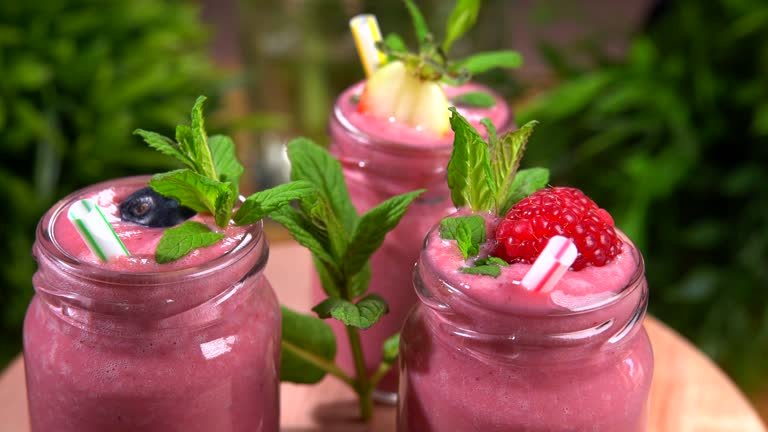
Smoothiepussit may look like an unfamiliar wellness trend, but the meaning is far more practical. The term is used in Finnish for smoothie pouches—flexible packs that hold smoothies, fruit purées, yoghurt, porridge, and other soft foods.
Depending on the product, these pouches may be reusable containers filled at home or ready-made snacks sold in shops. Finnish retailers commonly list them among baby and child feeding products, while some designs can also serve as portable food containers for older children and adults.
That distinction matters. Several English-language pages have recently treated Smoothiepussit as a new beverage, diet system, or mysterious lifestyle concept. In ordinary product use, however, the word primarily describes the pouch format itself.
This guide separates the real meaning from online speculation and explains how to choose, use, clean, store, and evaluate smoothie pouches intelligently.
What Does Smoothiepussit Actually Mean?
Smoothiepussit combines the English word “smoothie” with the Finnish plural word “pussit,” meaning bags or pouches. A natural English translation is smoothie pouches.
The singular form is smoothiepussi, while the plural refers to two or more pouches.
In Finnish stores, the category may include:
- Refillable squeeze pouches
- Silicone smoothie containers
- Disposable fruit-purée packs
- Replacement caps and anti-spill attachments
- Freezer-safe food pouches
- Ready-to-eat smoothie snacks
The term does not automatically identify one brand, recipe, nutritional formula, or manufacturing standard. Two products sold under the same general label may have completely different capacities, materials, opening systems, age recommendations, and cleaning requirements.
That is the first thing buyers should understand: Smoothiepussit is a product category, not a promise of quality.
Why Smoothiepussit Have Become So Useful
The appeal is easy to understand. A pouch is lighter than a glass jar, takes up little room in a lunch bag, and lets someone eat soft food without carrying a separate bowl and spoon.
Refillable models also make it possible to prepare a familiar recipe at home and divide it into controlled portions.
Parents commonly use Smoothiepussit for:
- Fruit and vegetable purées
- Thick homemade smoothies
- Plain or mixed yoghurt
- Oatmeal and soft porridge
- Applesauce
- Smooth chia pudding
- Blended family meals
They can also work for commuters, athletes, travellers, schoolchildren, and adults who prefer smaller snacks.
However, convenience should not be confused with nutritional completeness. A pouch is only a delivery format. The ingredients determine whether its contents are balanced, filling, age-appropriate, and suitable for frequent consumption.
A fruit-only pouch, for example, is nutritionally different from one containing yoghurt, oats, avocado, seeds, or another appropriate source of protein, fibre, or fat.
Reusable, Silicone, or Disposable: Which Smoothiepussit Are Best?
The best choice depends on who will use the pouch, how often it will be used, and where it will be carried.
Reusable Plastic Pouches Solve the Budget Problem
Reusable plastic models are usually the most affordable entry point. Many open from the bottom or side, allowing the user to pour in blended food and reseal the pouch.
Look for a closure that aligns easily and remains sealed when the pouch is squeezed. A wide opening is particularly useful because narrow seams and tight corners can trap food.
Check whether the manufacturer explicitly permits:
- Dishwasher cleaning
- Freezer storage
- Warm food
- Microwave heating
- Sterilisation
- Repeated long-term use
Do not assume that every reusable pouch can tolerate all these conditions.
Silicone Smoothiepussit Solve the Durability Problem
Silicone models tend to feel sturdier and may be easier to handle repeatedly. Some Finnish product listings describe silicone pouches as leak-resistant, washable, and suitable for homemade smoothies, purées, or porridge.
Capacity varies considerably. Examples available through Finnish retailers include approximately 170 ml and 220 ml designs.
Silicone can be a sensible choice for families that use pouches several times each week. The possible drawbacks are a higher purchase price, greater bulk, and additional valves or caps that require careful inspection.
Disposable Pouches Solve the Convenience Problem
Ready-filled disposable packs require no preparation, filling, or washing. They can be useful when a refrigerator, blender, or suitable cleaning facility is unavailable.
Their disadvantages include:
- Recurring cost
- More packaging waste
- Less control over ingredients
- Fixed portion sizes
- Potentially high fruit-sugar content
- Limited texture variety
Labels should be checked for portion size, added sugars, allergens, ingredients, storage instructions, and age guidance.
In Finland, local recycling instructions classify plastic smoothie pouches as plastic packaging. Carton-based smoothie containers belong in carton collection after removable plastic components are separated according to local instructions.
How to Choose Smoothiepussit Without Wasting Money
A colourful pattern may attract attention, but the structural details determine whether a pouch is genuinely useful.
1. Match the Capacity to the User
A large pouch may encourage overfilling, increase leakage pressure, and create food waste. A very small pouch may leave an older child or adult unsatisfied.
For young children, choose a capacity that matches the purpose of the food. Is it a small taste, a snack, or one component of a complete meal?
Avoid automatically choosing the largest model.
2. Inspect the Filling Opening
Choose an opening wide enough for thorough washing. Ideally, you should be able to reach the corners with a bottle brush or see whether residue remains inside.
Deep gussets, narrow seams, and complicated double closures can collect:
- Yoghurt
- Oatmeal
- Berry seeds
- Fibrous vegetable purée
- Nut or seed butter
- Dried smoothie residue
An opening that makes filling easy but cleaning almost impossible is not a good design.
3. Test the Closure Design
A reliable closure should be easy for an adult to secure but difficult for a young child to open accidentally.
Before carrying a new pouch in a school bag or handbag:
- Fill it with water.
- Seal it carefully.
- Squeeze it over a sink.
- Turn it upside down.
- Lay it on its side for several minutes.
- Check the opening and seams for moisture.
This simple test can prevent a bag full of leaked yoghurt later.
4. Check the Spout and Cap
Small detachable components require close attention around young children.
The U.S. Consumer Product Safety Commission has previously recalled a food-pouch attachment because part of its tube could separate from the base and create a choking hazard. This does not mean every pouch attachment is dangerous. It demonstrates why damaged, loose, or poorly fitting components should never be ignored.
Inspect the cap, valve, and spout before every use. Stop using the product when a component:
- Cracks
- Warps
- Becomes loose
- No longer clicks into place
- Separates under light pressure
- Shows bite damage
5. Follow the Manufacturer’s Temperature Limits
“Reusable” does not necessarily mean microwave-safe, boil-safe, oven-safe, or freezer-safe.
Use only the temperatures and cleaning methods approved for that exact model. Excessive heat may distort seals, weaken laminated material, or change how a valve fits.
How to Fill Smoothiepussit Without Leaks or Air Pockets
Smooth, moderately thick mixtures usually work best. Large fruit pieces, whole nuts, ice chunks, tough vegetable fibres, and heavily swollen seeds can block the spout or make the contents difficult to remove.
Use this filling method:
- Blend thoroughly. Process the mixture until it has a consistent texture.
- Cool warm ingredients. Do not pour steaming porridge directly into a pouch unless the manufacturer specifically permits it.
- Support the pouch. Stand it upright inside a cup, jug, or pouch holder.
- Use a controlled tool. A funnel, piping bag, or narrow pouring jug reduces mess.
- Leave headspace. Do not fill to the absolute edge.
- Clean the seal. Remove every trace of food from the closure track.
- Close gradually. Seal from one end to the other.
- Remove excess air. Gently press the pouch without forcing food into the closure.
- Label it. Add the contents and preparation date.
Never fill above the manufacturer’s indicated line. Overfilling places unnecessary pressure on the seams and gives frozen food too little room to expand.
For a more substantial recipe, avoid making every pouch almost entirely from sweet fruit. Depending on the user’s age and dietary needs, possible additions include:
- Plain yoghurt
- Oats
- Avocado
- Cooked vegetables
- Ground seeds
- Nut or seed butter
- Unsweetened milk alternatives
- Soft tofu
Known allergens must be handled carefully. Parents introducing allergenic foods to babies should follow appropriate professional medical guidance rather than relying on a general online recipe.
How to Clean Smoothiepussit Properly
Cleaning is where reusable pouches either become a smart purchase or an unpleasant one.
Rinse the pouch soon after use so food does not dry inside the seams. Open every closure, remove detachable parts, and wash all accessible surfaces with warm or hot water and ordinary dishwashing detergent.
Use a narrow bottle brush for the spout and corners.
A reliable cleaning routine is:
- Rinse immediately after use
- Disassemble removable components
- Open the main filling closure
- Wash the inner chamber
- Scrub seams and corners
- Clean the spout from both directions
- Wash the cap separately
- Rinse until no detergent remains
- Air-dry with the pouch fully open
- Reassemble only when completely dry
Dishwasher use is appropriate only when the manufacturer permits it. Even after a dishwasher cycle, inspect the pouch visually and smell the interior.
Stop using a pouch when you notice:
- Persistent sour odour
- Food trapped behind a seam
- Cracks or punctures
- A weakened closure
- Cloudy or peeling material
- Sticky residue that will not wash away
- Dark spots resembling mould
- A warped spout or valve
Never rely on a quick water rinse after dairy, cooked cereal, or protein-containing mixtures. These foods can cling to hidden surfaces more stubbornly than a thin fruit purée.
Strong fragrances or harsh chemicals should not be used merely to mask an odour. When the source of the smell cannot be found and removed, replacing the pouch is safer and more practical.
Can Smoothiepussit Be Refrigerated or Frozen?
Many refillable products are advertised as freezer-compatible, but the instructions for the exact product remain decisive. One Finnish retailer, for example, describes a 220 ml reusable pouch as dishwasher-safe and suitable for freezing.
Prepared food should be chilled promptly. General U.S. food-safety guidance recommends maintaining a refrigerator temperature of 4°C or below. It also advises placing leftovers into appropriate containers promptly and using most cooked leftovers within three to four days.
Homemade mixtures intended for infants may require more conservative handling. The ingredients, preparation hygiene, refrigerator temperature, and child’s health all matter.
When freezing Smoothiepussit:
- Leave enough room for expansion
- Freeze flat when the closure design permits it
- Label every pouch with its recipe and date
- Keep allergen information visible
- Thaw in the refrigerator
- Avoid thawing on a kitchen counter
- Do not refreeze thawed homemade infant food
USDA infant-feeding guidance recommends thawing frozen food in the refrigerator or under cold running water and advises against refreezing home-prepared infant food.
A pouch kept in a handbag for several hours is not automatically safe simply because it remains sealed. Homemade food containing dairy, cooked grains, or other perishable ingredients normally requires dependable cold storage.
An insulated lunch bag can help, but it does not replace correct temperature control.
Are Smoothiepussit Healthy for Children?
They can contain healthy food, but the packaging does not make the contents healthy.
For babies, developmental readiness matters. The CDC states that complementary foods are generally introduced at about six months, while eating skills continue developing through spoon use, finger feeding, and learning to drink from cups.
Pouches should therefore complement—not completely replace—opportunities to:
- Experience different textures
- Eat from a spoon
- Pick up appropriate finger foods
- Chew soft foods
- Drink from a suitable cup
- Sit with the family during meals
Using only smooth purées for convenience may provide too little practice with age-appropriate textures and self-feeding skills.
Sugar is another important consideration. Fruit provides useful nutrients, but blended fruit is consumed differently from intact pieces.
The NHS advises limiting fruit juice and smoothies to a combined total of 150 ml per day for relevant age groups and serving them with meals because free sugars can contribute to tooth decay. It also states that children younger than 12 months do not need fruit juice or smoothies.
For a child-focused pouch:
- Use vegetables as well as fruit
- Avoid adding sugar, syrup, or sweetened juice
- Include suitable protein or fat where appropriate
- Offer water separately
- Serve the pouch while the child is seated
- Supervise the child throughout
- Alternate pouches with spoon and finger-food experiences
- Check the cap and spout before every use
Do not let a young child walk, run, climb, or lie down while eating from a pouch.
Common Smoothiepussit Mistakes and How to Fix Them
Mistake: Treating a Pouch as a Complete Meal
A fruit-only blend may be convenient without being particularly filling.
The fix: Add an age-appropriate source of protein, fat, or fibre, or serve the pouch alongside other foods.
Mistake: Making the Mixture Too Thick
When the user must squeeze aggressively, the closure experiences additional pressure. Food may also surge unexpectedly through the spout.
The fix: Add a small amount of suitable liquid, blend again, and test the consistency before filling.
Mistake: Making the Mixture Too Thin
A watery smoothie can flow too quickly, particularly when a young child squeezes the pouch.
The fix: Use naturally thick ingredients such as yoghurt, banana, oats, avocado, or cooked fruit, depending on dietary needs.
Mistake: Storing Pouches Without Dates
Frozen purées often look similar. Without a label, it becomes difficult to identify the recipe, preparation date, or allergens.
The fix: Use a freezer-safe marker or removable label on every pouch.
Mistake: Assuming “BPA-Free” Answers Every Question
Material claims matter, but they are only part of product safety.
Wear, heat exposure, cleaning access, seal strength, spout design, and intended use also matter. Evaluate the complete product rather than relying on one badge.
Mistake: Buying a Design That Cannot Be Inspected
Food can hide behind opaque folds and complicated seams.
The fix: Prioritise wide openings, visible interiors, simple closures, and replaceable components that can be cleaned individually.
Mistake: Letting Food Dry Inside
Dried oatmeal or yoghurt can become extremely difficult to remove from a narrow spout.
The fix: Add water and rinse immediately, even when full washing must wait until later.
Are Smoothiepussit Better for the Environment?
Reusable pouches can reduce the number of single-use packs a household purchases, but the environmental result depends on actual behaviour.
A durable pouch used repeatedly, washed efficiently, and kept for an extended period has a stronger sustainability case than a reusable product discarded after three uses.
Conversely, a complicated pouch that requires excessive hot water, frequent replacement, and numerous plastic accessories may deliver less benefit than expected.
A more responsible approach is to:
- Buy only the number you will regularly use
- Choose a durable and easily cleaned design
- Follow local recycling instructions
- Avoid losing caps and accessories
- Prepare realistic portions
- Replace products only when wear affects function or hygiene
- Use leftover ingredients in other meals
- Avoid preparing more food than the household needs
Sustainability claims should remain specific. “Refillable” and “reusable” describe identifiable characteristics. Claims such as “zero impact” or “completely eco-friendly” require far more evidence.
Who Should Buy Smoothiepussit?
These pouches are most useful for people who regularly prepare soft foods and genuinely need portability.
They are a strong fit for:
- Parents packing controlled portions
- Families preparing homemade purées
- Adults preparing small breakfasts or snacks
- Schoolchildren carrying yoghurt or applesauce
- Travellers with access to suitable refrigeration
- Households reducing disposable packaging
- People freezing individual portions
They may be a poor fit for someone who dislikes detailed cleaning, rarely prepares blended food, or primarily eats chunky meals.
In those situations, a small jar, reusable cup, insulated food container, or ordinary lunch box may be easier to maintain.
Conclusion: Use Smoothiepussit as a Tool, Not a Shortcut
Smoothiepussit are best understood as portable smoothie or purée pouches—not as a miracle food, revolutionary diet, or guaranteed healthy product.
Their real value comes from convenience, controlled portions, portability, and the ability to carry homemade soft food in a compact container.
Choose a pouch that can be filled, inspected, sealed, and cleaned without frustration. Match the capacity to the user, follow the stated temperature limits, supervise young children, and judge the contents by their ingredients rather than their packaging.
The most practical next step is to purchase one small set, test each pouch with water, prepare two simple recipes, and evaluate leakage, cleaning, texture, and storage before buying more.
Used thoughtfully, Smoothiepussit can make everyday food preparation easier without sacrificing hygiene, nutrition, or common sense.
Frequently Asked Questions
1. What Is the English Meaning of Smoothiepussit?
Smoothiepussit means “smoothie pouches” or “smoothie bags” in Finnish.
In shopping contexts, it commonly refers to flexible pouches used for smoothies, fruit purées, yoghurt, porridge, and other soft foods. The term may describe either refillable products or pre-filled commercial packs.
2. Are Smoothiepussit Only for Babies?
No. Many products appear in baby-feeding categories because squeeze pouches are popular for purées and toddler snacks.
Larger refillable models can also be used by school-age children and adults. Suitability depends on the pouch’s capacity, spout design, ingredients, durability, and manufacturer-provided age guidance.
3. Can I Put Homemade Smoothies in Reusable Pouches?
Yes, provided the pouch is specifically designed to be refilled.
Use a smooth mixture, avoid overfilling, clean the sealing track before closing, and refrigerate or freeze the pouch according to the product instructions and ingredients used.
Do not put hot food into a pouch unless its manufacturer explicitly approves that use.
4. How Long Do Homemade Smoothie Pouches Last in the Refrigerator?
There is no universal storage period for every recipe. Ingredients, preparation hygiene, refrigerator temperature, and the age and health of the person eating the food all affect safe storage.
General official guidance keeps refrigerators at 4°C or below and limits many refrigerated leftovers to three or four days. Infant food may require stricter handling. When uncertain, prepare smaller batches and seek guidance from an appropriate health professional.
5. How Do I Stop Reusable Smoothie Pouches From Smelling?
Rinse the pouch immediately, dismantle all removable parts, scrub the spout and seams, rinse thoroughly, and dry the pouch completely open.
A persistent smell can indicate trapped residue or deteriorating material. When an odour remains after proper cleaning, replace the pouch rather than masking it with fragrance, bleach, or another harsh chemical.
